Invisible and Color Change PPF Installation Mistakes That Can Ruin Your Vehicle’s Finish
Paint Protection Film, often called PPF, is one of the smartest investments a vehicle owner can make to preserve paint quality and resale value. Whether you choose traditional invisible PPF or a modern color change PPF, the quality of the installation matters just as much as the film itself.
At Detail Solutions, we regularly see vehicles come in with premature film failure, visible defects, or paint damage caused by poor installation practices. Many of these issues are subtle at first but worsen over time, especially in the Baltimore area where road salt, debris, heat, and humidity accelerate wear.
Below are the most common PPF installation mistakes, how they affect your vehicle, and how professional installation protects your investment.
1. Inadequate Surface Preparation
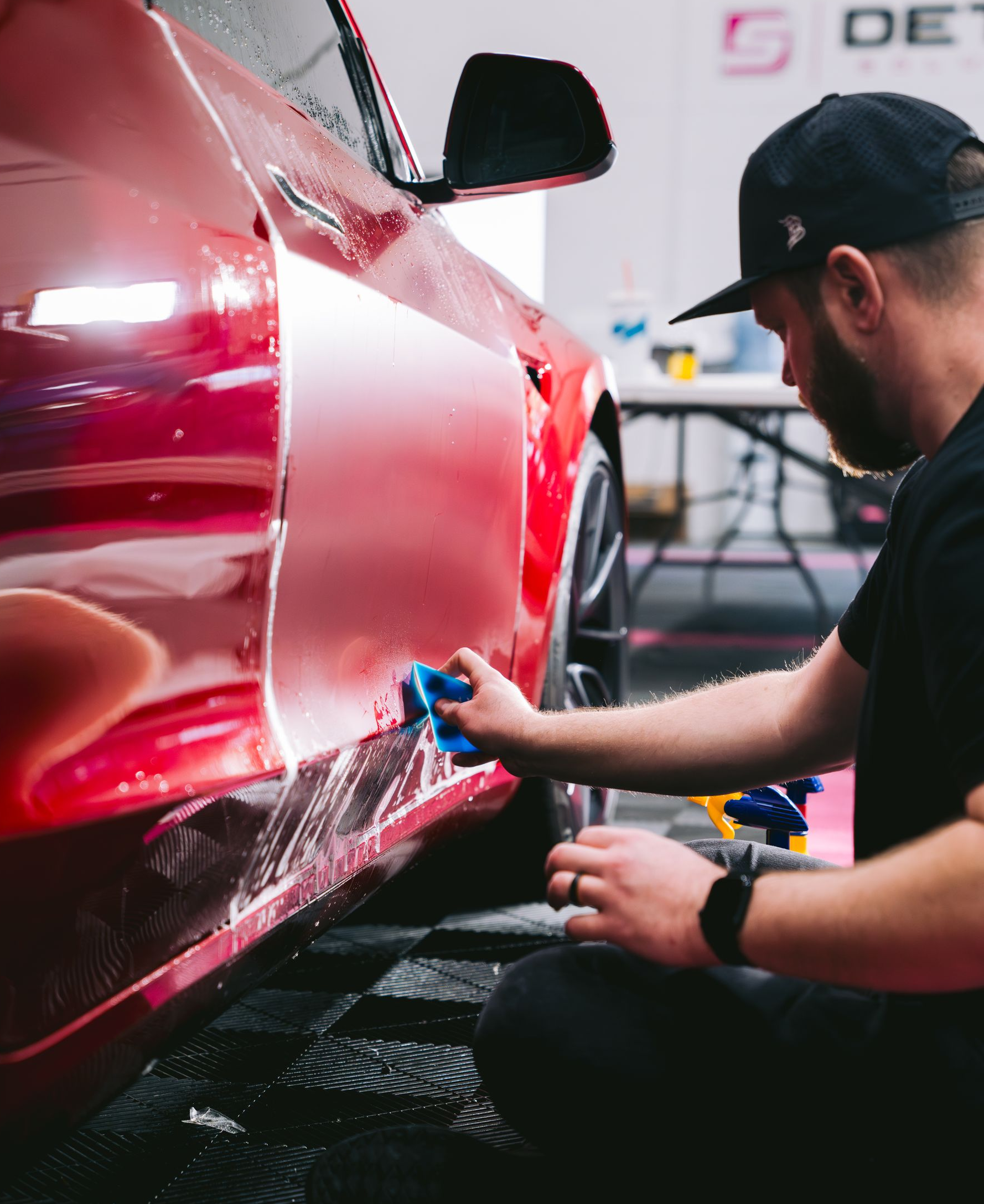
Every successful PPF installation begins with proper surface preparation. This step is often rushed or skipped by inexperienced installers.
If the paint is not thoroughly washed, decontaminated, and corrected before installation, microscopic debris becomes trapped beneath the film. Over time, this contamination shows up as bumps, hazy spots, or discoloration under the PPF.
Professional installers at Detail Solutions perform full decontamination and paint correction when necessary to ensure the film bonds cleanly and evenly. This is especially important for vehicles driven in Baltimore, Towson, and surrounding areas where environmental fallout is common.
2. Poor Edge Wrapping and Visible Seams
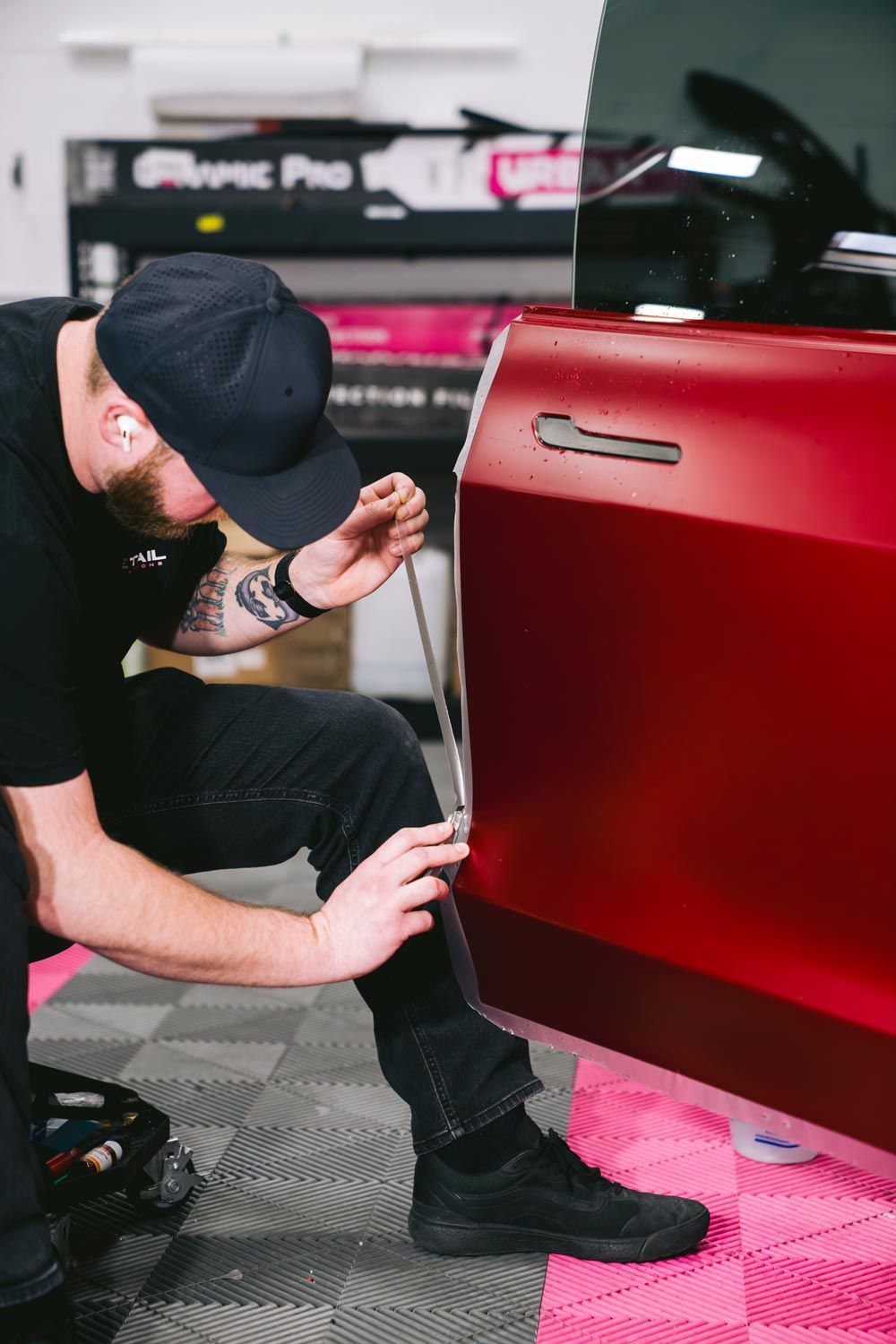
One of the easiest ways to spot a bad PPF install is by looking at the edges. Exposed edges attract dirt, moisture, and wax buildup, leading to edge lift and peeling.
High-quality installations wrap film edges whenever possible, creating a seamless appearance and reducing long-term failure. Poor edge trimming leaves visible lines that compromise both aesthetics and durability.
This mistake is common on door edges, hood corners, mirrors, and bumper contours. Over time, these areas become the first points of failure.
3. Stretch Marks and Distortion in the Film
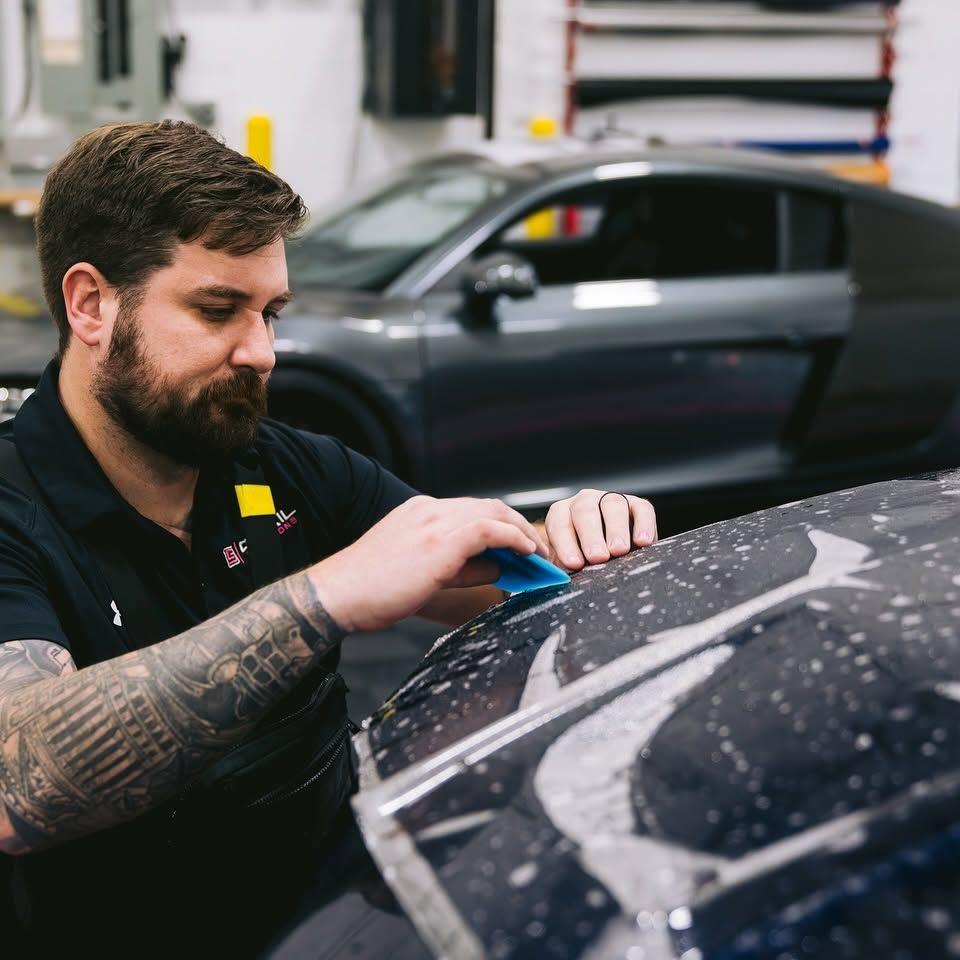
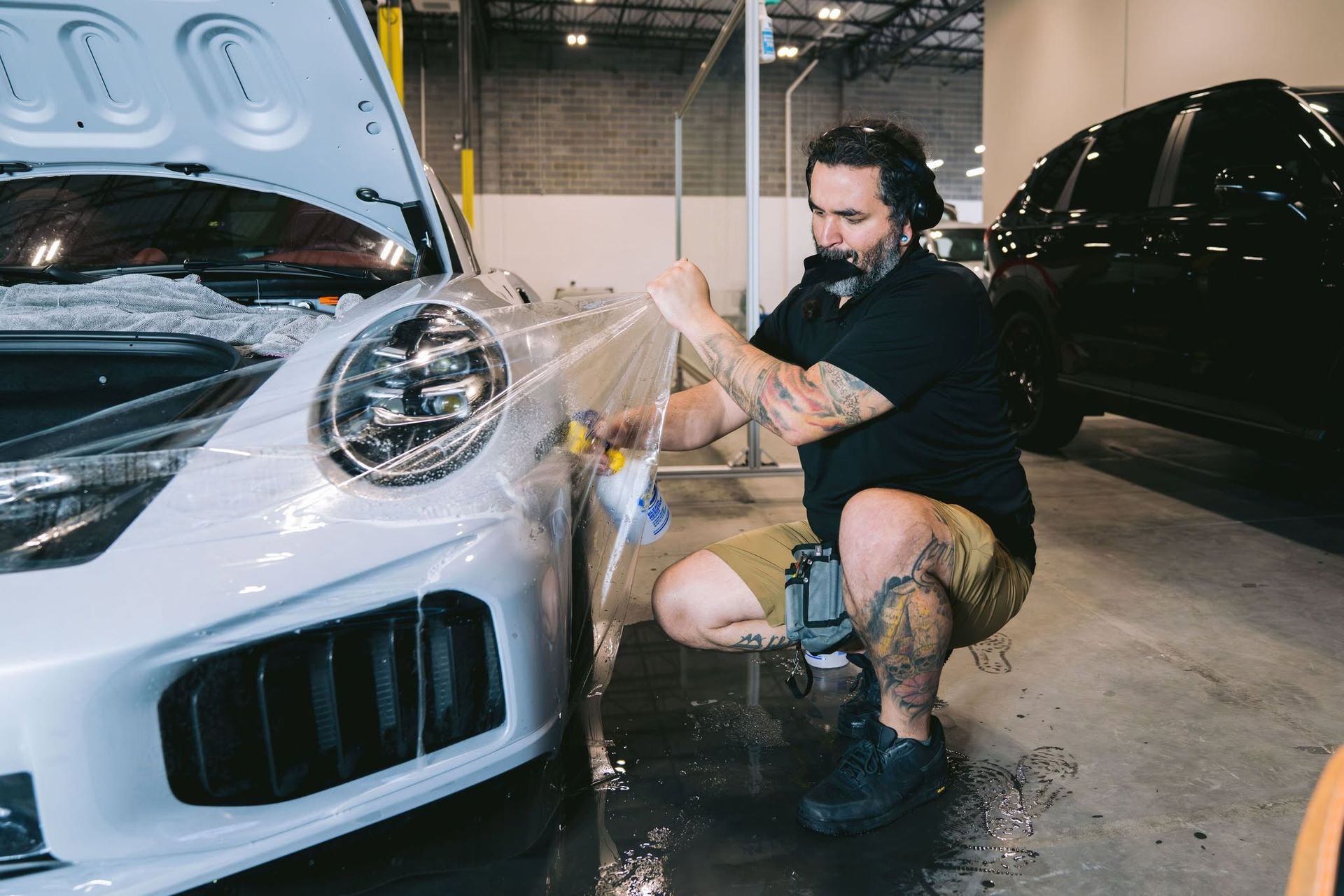
PPF must be carefully stretched and positioned to fit complex body panels. When installers overstretch the film, it creates distortion, thinning, and stress lines that may not be immediately obvious.
These defects often appear later as gloss inconsistencies or discoloration, especially with color change PPF where uniform appearance is critical. Overstretched film also loses impact resistance, defeating the purpose of paint protection.
Proper installation requires experience, patience, and precise alignment. Rushing this step leads to premature replacement.
4. Silvering and Adhesion Issues
Silvering refers to small reflective patterns that appear under the film, usually along edges or curved surfaces. This happens when the adhesive does not fully bond to the paint.
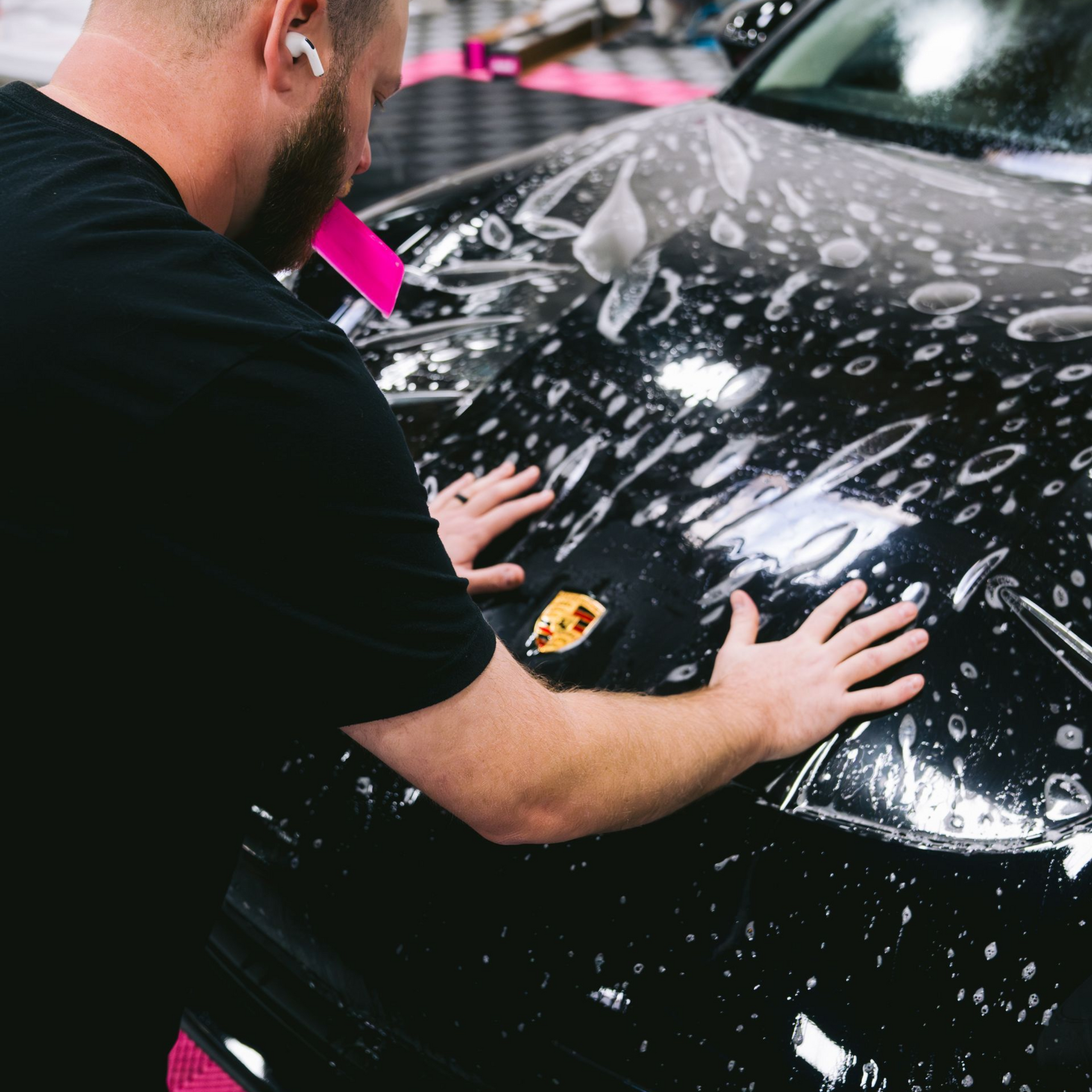
Common causes include trapped moisture, improper squeegee technique, or installing film in uncontrolled environments. In humid climates like Baltimore and Essex, this problem becomes more pronounced.
Professional installers use controlled conditions and proven techniques to ensure full adhesion without visual defects.
5. Installing PPF in an Uncontrolled Environment
The installation environment plays a critical role in film longevity. Dust, airborne debris, humidity, and temperature fluctuations all affect how well PPF bonds to paint.
Installing PPF in open garages or driveways increases contamination risk and leads to visible imperfections. Over time, these imperfections worsen and compromise the film’s clarity.
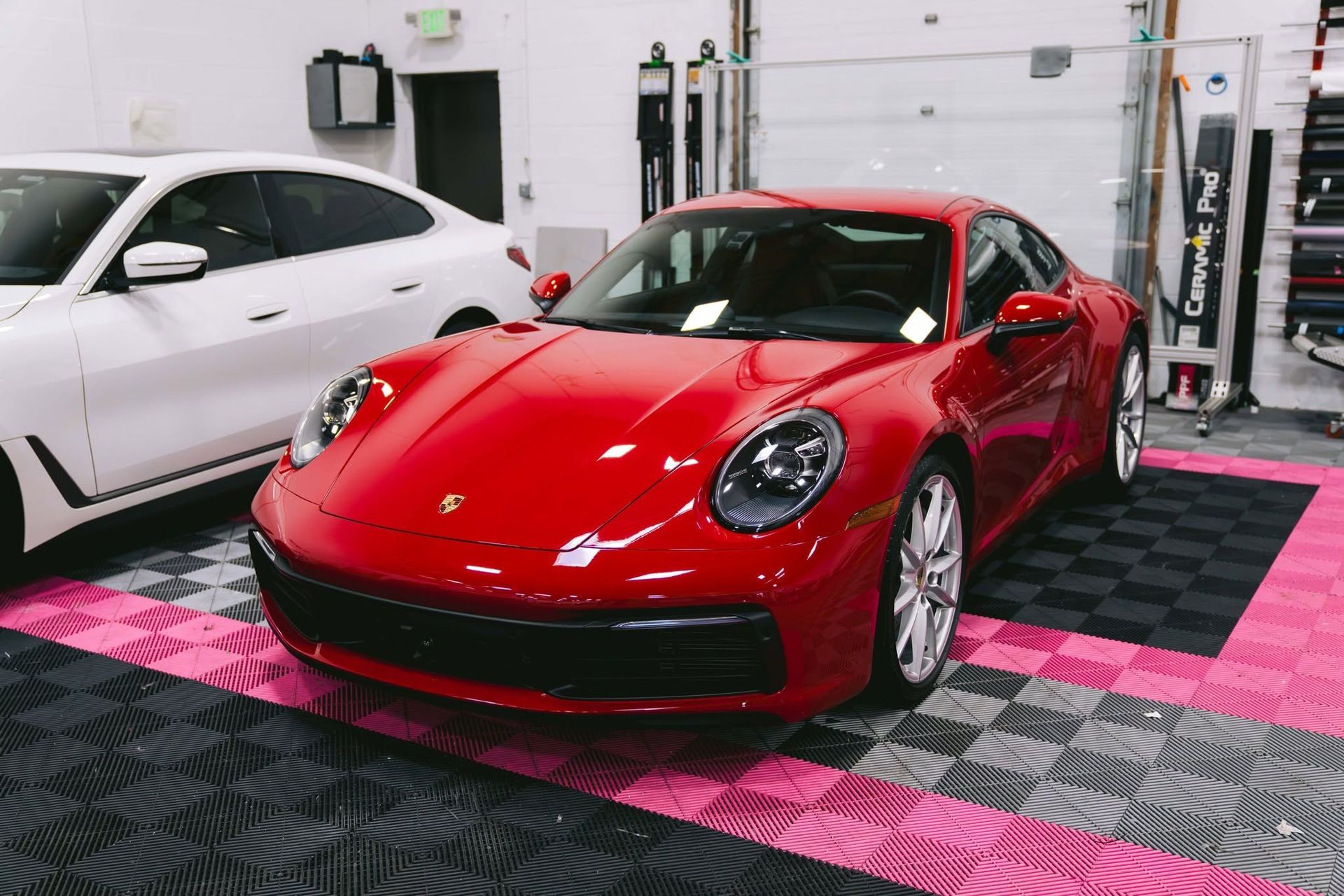
Detail Solutions installs PPF in a controlled indoor environment to ensure consistent results, especially important for high end vehicles and color change PPF applications.
6. Skipping Post-Installation Inspection and Curing
PPF does not finish bonding the moment installation is complete. Proper curing time and inspection are essential to identify early lifting, moisture pockets, or alignment issues.
Without post-installation checks, minor problems become major failures. Heat cycles, washing, and daily driving stress poorly cured the film.
Professional shops schedule inspections and provide aftercare guidance to protect your investment long-term.
7. Lack of Experience With Color Change PPF
Color change PPF is thicker and less forgiving than traditional clear film. It requires advanced techniques, precise alignment, and experience working with specialty materials.
Inexperienced installers may treat color change PPF like vinyl wrap or standard clear film, leading to visible seams, color inconsistency, and early failure.
If you are investing in color change PPF, choose a shop with proven experience in both protection and aesthetic applications.
Why Professional PPF Installation Matters
While DIY kits and low cost installations may seem appealing, the risks often outweigh the savings. Poor installation leads to wasted material, damaged paint, and costly reinstallation.
Professional PPF installation ensures:
- Proper surface preparation
- Clean, wrapped edges
- Uniform appearance
- Long-lasting adhesion
- Manufacturer warranty protection
At Detail Solutions, we focus on precision, durability, and visual perfection for every vehicle we service.
PPF Challenges for Baltimore Area Drivers
Vehicles in Baltimore, White Marsh, and surrounding communities face unique challenges, including road salt, construction debris, and temperature swings. These factors accelerate wear on poorly installed film.
Choosing a professional installer who understands local conditions ensures your PPF performs as intended year-round.
Schedule a PPF Consultation With Detail Solutions
Whether you are considering invisible paint protection film or a custom color change PPF, proper installation is essential. Detail Solutions provides expert installation, premium materials, and proven techniques to protect your vehicle’s finish.
Contact Detail Solutions today to schedule a consultation or request a personalized PPF quote. Serving Baltimore, Essex, Perry Hall, White Marsh, Towson, Hunt Valley, and surrounding areas.