How Window Tint Affects Night Driving: What Baltimore Drivers Need to Know
Driving at night demands more attention, faster reaction time, and greater reliance on visibility than daytime driving. While window tint offers major benefits like heat reduction, UV protection, and privacy, it can also affect what you see after sunset. Many Baltimore drivers choose tint for comfort and appearance, but the wrong tint level or film type can make night driving feel more difficult, especially on darker roads or during bad weather.
At Detail Solutions, we help drivers in Baltimore and surrounding areas select the right tint for their needs, balancing performance, compliance, and safety. If you want a vehicle that looks great while still being easy to drive at night, this guide will help you make a confident decision.
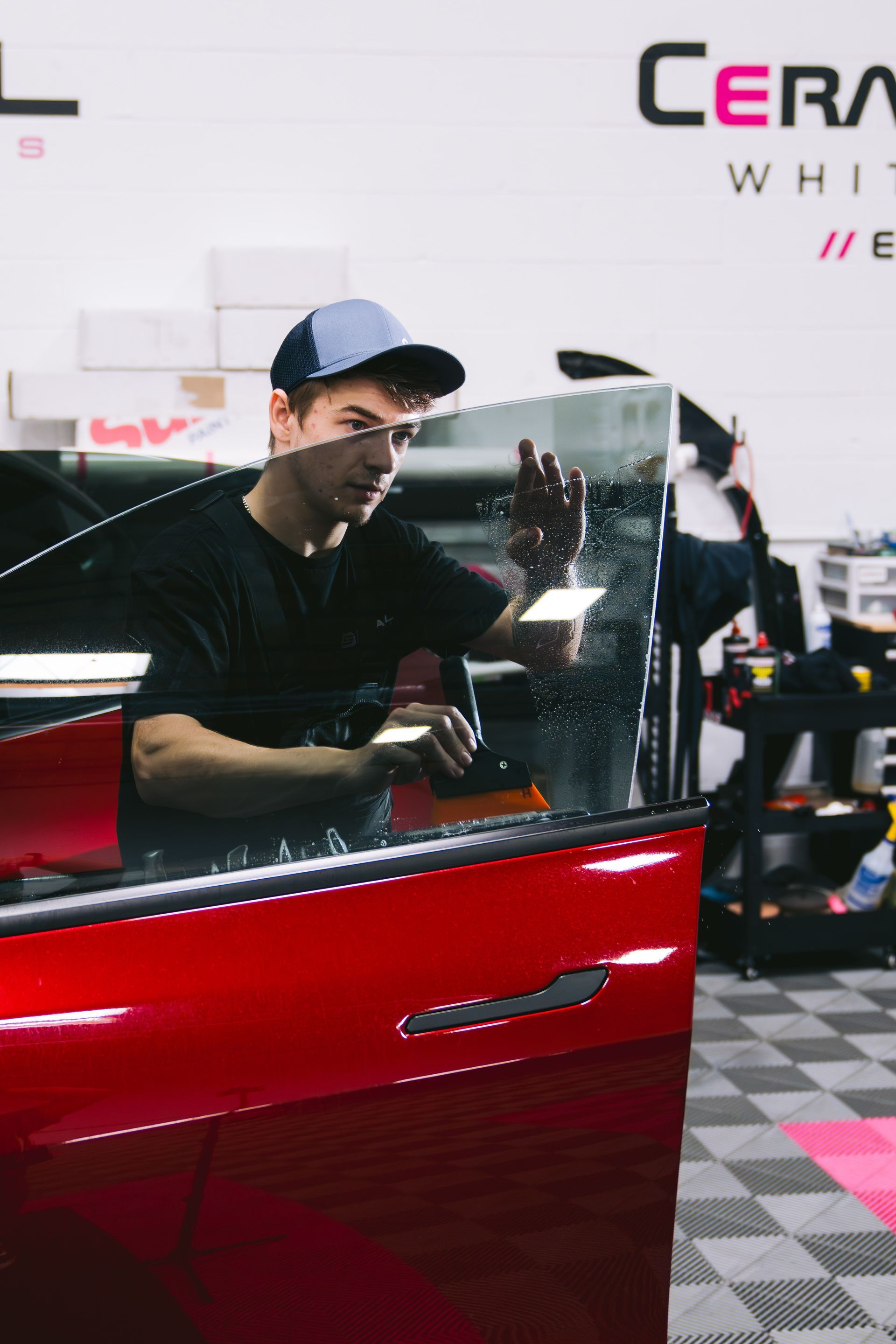
Quick Answer: What Tint Is Best for Night Driving?
If you want a clear starting point, most drivers do best with 35% ceramic tint, which strikes a balance between glare reduction, daytime comfort, and nighttime visibility. Drivers who spend more time driving at night or who are sensitive to low-light conditions often prefer 50% ceramic tint for improved clarity. If you want strong heat and UV protection with minimal visual change, 70% crystalline tint is a great option, especially for windshields.
On the other hand, tint percentages below 25% can feel noticeably darker at night. These are better reserved for rear windows if your goal is privacy, especially if you drive in low-lit neighborhoods or rural roads outside Baltimore.
Understanding Window Tint and Night Visibility
Window tint affects visibility because it controls how much light enters your vehicle. The key measurement is Visible Light Transmission (VLT). A higher VLT percentage means more light passes through, while a lower VLT percentage means the tint is darker and blocks more visible light.
During daytime hours, even darker tint levels can feel comfortable because there is plenty of ambient light. At night, however, your eyes rely on limited lighting from street lamps, traffic signals, reflective road markings, and headlights. If your tint blocks too much of that light, it can reduce your ability to recognize pedestrians, cyclists, animals, and hazards in the road.
This is why tint should never be selected based on appearance alone. If your daily routine includes night driving through areas like Baltimore, Towson, Essex, Perry Hall, or White Marsh, you need a tint that supports clarity in low-light conditions.
How Your Eyes Adjust to Darkness
Your eyes go through a natural adjustment process at night. Pupils dilate to let in more light, and your eyes shift toward using contrast and motion to detect objects. Tint can interfere with this adaptation when it reduces incoming light beyond what your eyes can compensate for.
Drivers who wear corrective lenses, have slight night vision difficulties, or experience glare sensitivity may notice the impact sooner than others. Aging also plays a role. Many people do not realize that night vision naturally declines over time, even if they do not have major eyesight issues during the day. A tint level that feels comfortable at 25 years old may feel too dark at 45 or 55.
This is why choosing the right tint for night driving is not one-size-fits-all. Your tint should work with your eyesight, not against it.
Finding the Right Tint Level for Night Driving
Selecting a tint level should be based on your driving habits, the lighting conditions of your commute, and how much nighttime driving you do each week. Many Baltimore drivers spend time on highways like I-83 and I-695 or travel through suburban areas where street lighting can be inconsistent.
For most drivers, 35% VLT provides a strong balance. It reduces glare and improves comfort without making the windows too dark at night. If you drive frequently at night, you may prefer 50% VLT, which provides better nighttime clarity while still offering privacy and UV protection. For drivers who want maximum visibility with performance benefits, 70% crystalline tint provides excellent heat rejection while maintaining a nearly clear appearance.
Tint levels below 25% can create noticeable visibility challenges at night, especially in rainy conditions or on back roads. These tint levels may still be appropriate for rear windows, especially when paired with a clearer tint in the front for safety and visibility.
Maryland Window Tint Laws and What Baltimore Drivers Should Know
Before selecting a tint level, it is important to understand Maryland’s window tint regulations. These laws are designed to protect driver visibility and ensure safe road conditions.
In Maryland, front side windows must allow at least 35% visible light transmission, meaning they cannot be darker than 35% VLT. Rear side windows and the rear windshield can be tinted to any darkness, but vehicles must have dual side mirrors if the rear window is tinted. Windshield tint is allowed only above the AS-1 line, and the tint must be non-reflective. Maryland also limits window tint reflectivity to a maximum of 35%.
There are medical exemptions for drivers with certain documented conditions, but they require proper documentation. At Detail Solutions, we guide every customer toward a tint choice that meets both Maryland law and real-world driving needs.
How Tint Can Help With Headlight Glare at Night
One of the biggest reasons drivers seek window tint is to reduce glare, especially at night. Modern headlights, particularly LED and HID headlights, can feel extremely harsh when driving on dark roads. Glare can cause discomfort, reduce contrast, and make it harder to focus on the road ahead.
A high-quality tint film can help reduce light intensity and soften harsh glare, but the benefit depends on tint type and VLT percentage. A tint that is too dark may reduce glare, but it can also reduce overall visibility. The best approach is choosing a tint film that reduces glare while maintaining clarity.
This is where ceramic tint becomes one of the best options for Baltimore drivers. It can reduce glare and improve driving comfort while still allowing enough light to pass through for safe nighttime driving.
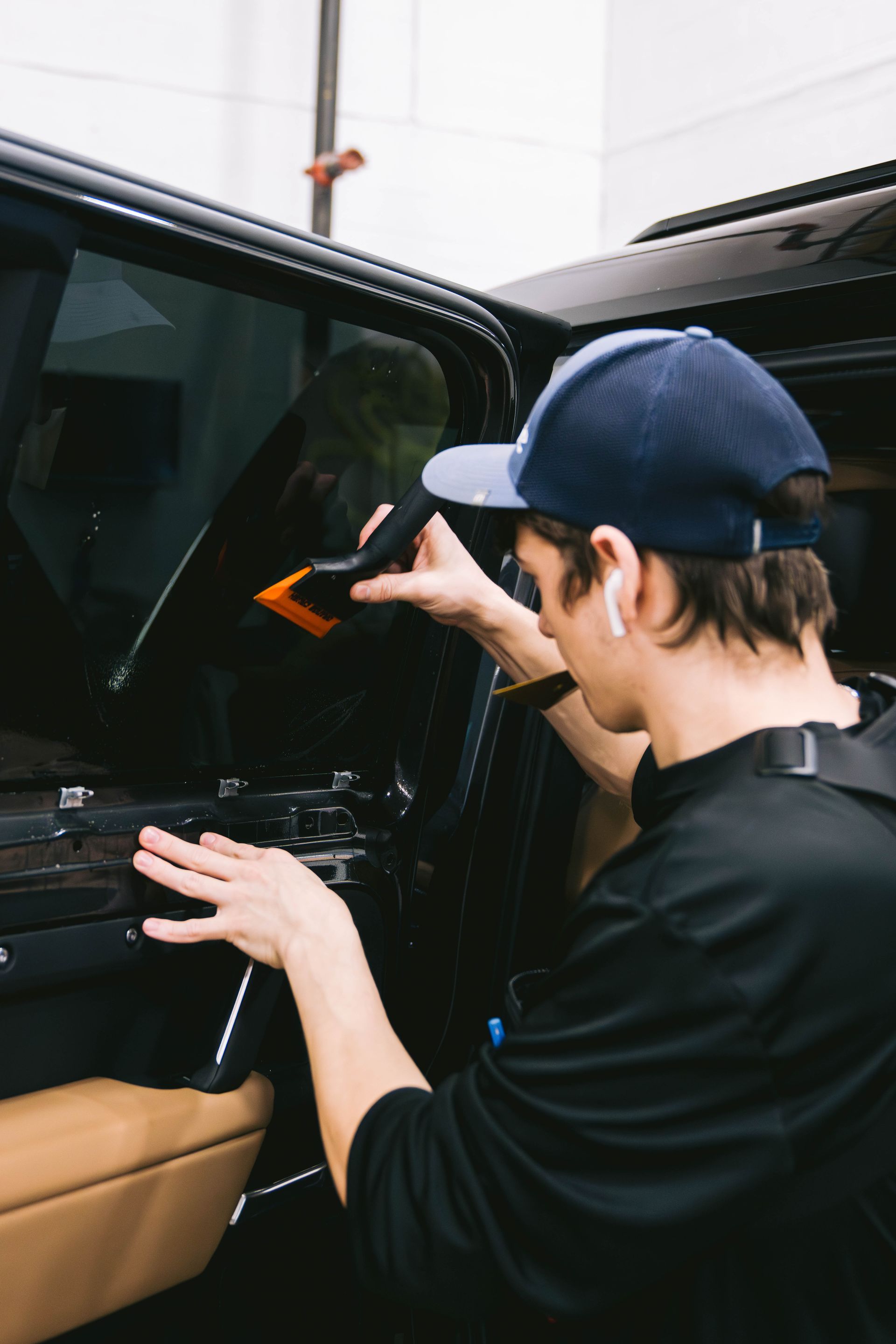
Choosing the Right Tint Film Type for Night Driving
Tint percentage is important, but film quality matters just as much. Two films with the same VLT can perform very differently depending on the materials used.
Ceramic tint is widely considered one of the best options because it blocks infrared heat and UV rays without relying on heavy darkening. This often results in better clarity than basic dyed films. Ceramic tint also improves comfort for drivers in Maryland’s warmer months by reducing heat buildup inside the vehicle.
Crystalline tint is another premium option. These films often offer higher VLT levels such as 70%, which makes them a strong choice for drivers who want heat reduction and UV protection while maintaining very high clarity. Many drivers choose crystalline tint for windshields to preserve nighttime visibility while still getting performance benefits.
At Detail Solutions, we install premium ceramic tint options from trusted brands like XPEL and 3M, ensuring durability, performance, and clean installation.
Balancing Privacy, Style, and Safe Visibility
Privacy is a major reason many drivers choose darker tint. However, privacy should never come at the expense of safe night driving. If you want a darker look, the best solution is often a balanced tint strategy. Many Baltimore drivers choose a legal tint level for front windows to maintain visibility and a darker tint for rear windows to increase privacy and style.
This combination provides the best of both worlds. You get the enhanced appearance and privacy you want while keeping nighttime clarity where it matters most.
A good rule is to prioritize visibility for the windows you rely on most while driving. For most drivers, that means front side windows and windshields should stay lighter, while rear windows can be darker without affecting safety as much.
Why Choose Detail Solutions for Window Tinting in Baltimore?
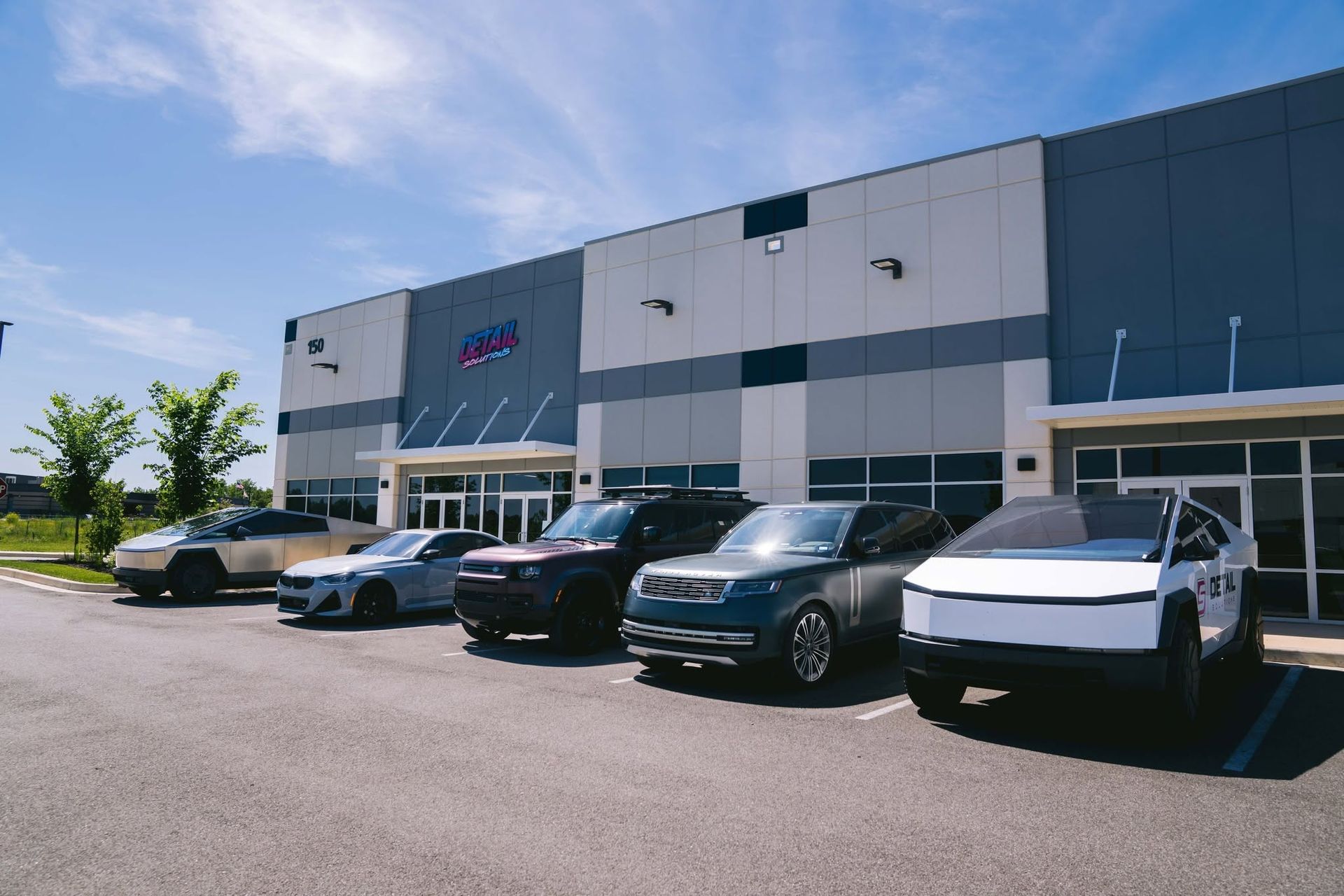
Since 2011, Detail Solutions has helped drivers throughout the Baltimore area protect their vehicles with expert window tinting and automotive protection services. Our team is known for quality workmanship, honest recommendations, and a commitment to Maryland law compliance.
We provide premium ceramic tint options backed by lifetime warranties, and we take the time to match your tint level to how you drive. Whether you prioritize style, comfort, glare reduction, or a clean installation that lasts, our technicians deliver results you can trust.
We also offer special pricing for Tesla owners, and customers can enjoy free Level 2 charging while their vehicle is being serviced.
Detail Solutions proudly serves drivers in Baltimore, Essex, Perry Hall, White Marsh, Owings Mills, Nottingham, Hunt Valley, Bel Air, Towson, Middle River, and Fallston.
Schedule Your Window Tint Consultation Today
The right window tint should enhance your vehicle’s comfort, style, and protection, while still supporting safe visibility at night. Choosing the right tint level and film type is the key to getting the results you want without sacrificing clarity.
If you are ready to tint your vehicle the right way, contact Detail Solutions today to schedule a consultation.
Call 443-241-8443 or visit baltimoredetail.com to learn more.
Protect your vehicle with expert tinting from Detail Solutions, where quality and safety come first.