High-Quality vs. Low-Quality PPF: What Baltimore Drivers Should Know
Paint protection film can help preserve a vehicle’s factory finish, but not every film or installation provides the same performance. Two PPF quotes may look similar at first, yet differ significantly in material quality, clarity, adhesive stability, warranty coverage, and workmanship.
High-quality PPF generally provides clearer optics, a more durable topcoat, stable adhesion, and stronger manufacturer support. Lower-quality film is more likely to haze, discolor, lift at the edges, or require early replacement. The film itself is important, but professional preparation and installation are equally critical.
What Is Paint Protection Film?
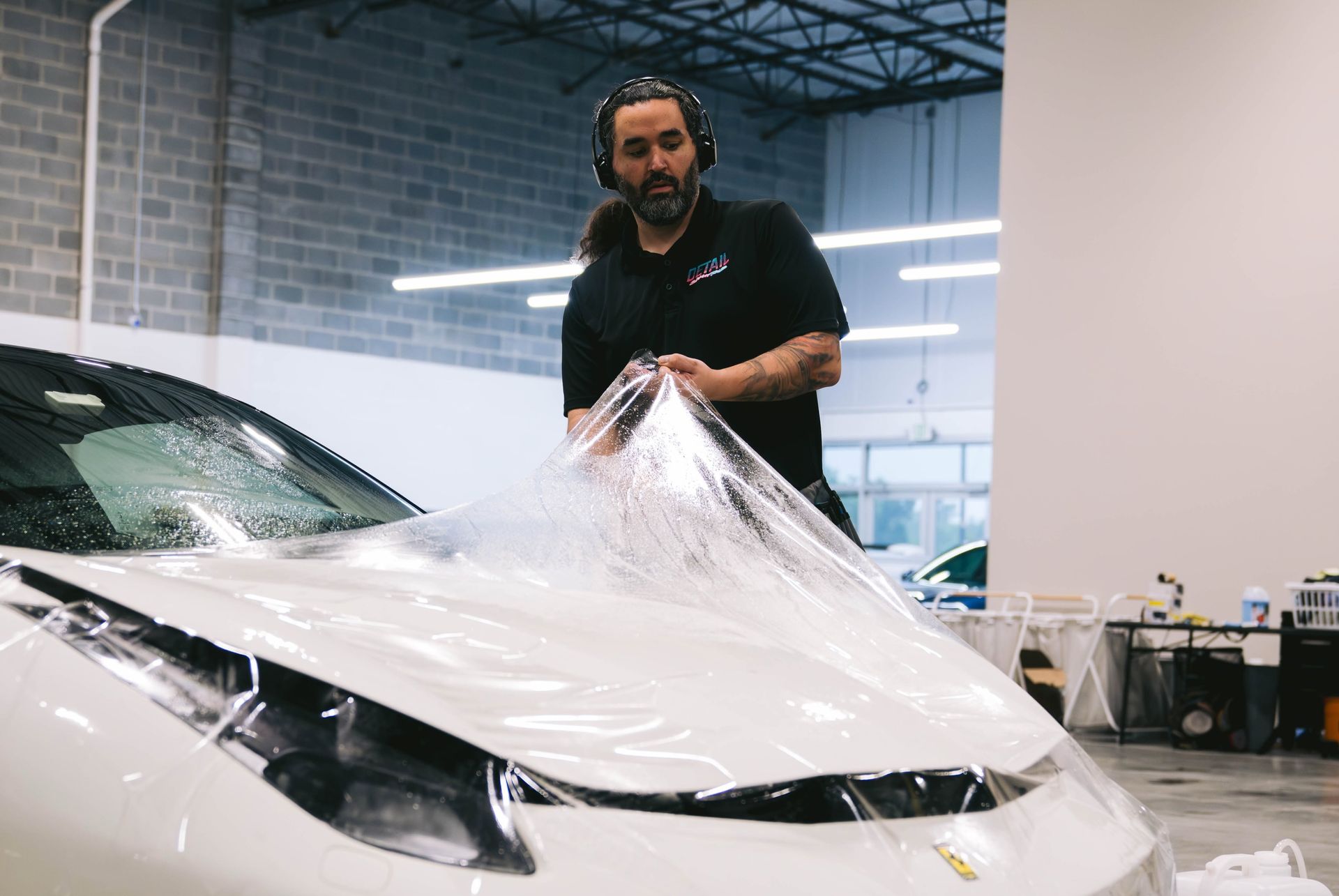
Paint protection film, also called PPF or clear bra, is a transparent or colored urethane film installed over painted vehicle surfaces. It creates a sacrificial barrier that helps protect the finish from small road debris, insect residue, bird droppings, road grime, and light surface contact.
Common coverage areas include the front bumper, hood, fenders, mirror caps, rocker panels, and door edges.
PPF does not make a vehicle damage-proof. Large debris, sharp objects, collisions, and severe impacts can still damage the film or paint. Its purpose is to reduce everyday wear and help preserve the original finish.

High-Quality vs. Low-Quality PPF: Key Differences
Material and Topcoat Construction
High-quality PPF is typically made from automotive-grade thermoplastic polyurethane, or TPU. Premium films combine a flexible urethane layer, pressure-sensitive adhesive, and protective topcoat.
This construction helps the film conform to curved panels and maintain a consistent finish. Lower-quality products may become brittle, cloudy, or discolored sooner.
The term “TPU” alone does not guarantee quality. Ask about the complete film system, including the topcoat, adhesive, warranty, and manufacturer support.
Optical Clarity
Premium clear PPF should allow the original paint color, metallic flake, and gloss to remain visible without excessive haze or distortion. This is especially important on dark, metallic, and high-gloss vehicles.
Lower-quality film may develop cloudiness, uneven texture, or reduced gloss over time. Ask to see close-up installation examples.
Adhesive and Edge Stability
A quality adhesive allows the installer to position the film accurately and create a stable bond across flat panels, curves, and recessed areas. It should support clean edge placement without unnecessary lifting.
Inferior adhesive may grab unevenly, trap visible lines, or lose stability after exposure to heat and moisture. Poor technique can create similar problems, so film quality and installer skill must be evaluated together.
Self-Healing and Environmental Resistance
Many premium films include a self-healing topcoat that can reduce the appearance of light surface marks when exposed to warmth. This feature does not repair punctures, deep cuts, or severe impact damage.
High-quality PPF is also designed to resist premature yellowing, staining, and degradation. Lower-quality film may retain stains or lose clarity more quickly after exposure to sun, road treatments, pollen, and contaminants.
Bird droppings, insect residue, tree sap, and mineral deposits should still be removed promptly.
Warranty and Long-Term Value
A written warranty may cover excessive yellowing, cracking, bubbling, or delamination. Compare its coverage, exclusions, and claim process.
The lowest quote may not provide the best long-term value. Early replacement, difficult removal, recurring edge problems, or poor appearance can make an inexpensive installation more costly over time.
Why Professional PPF Installation Matters
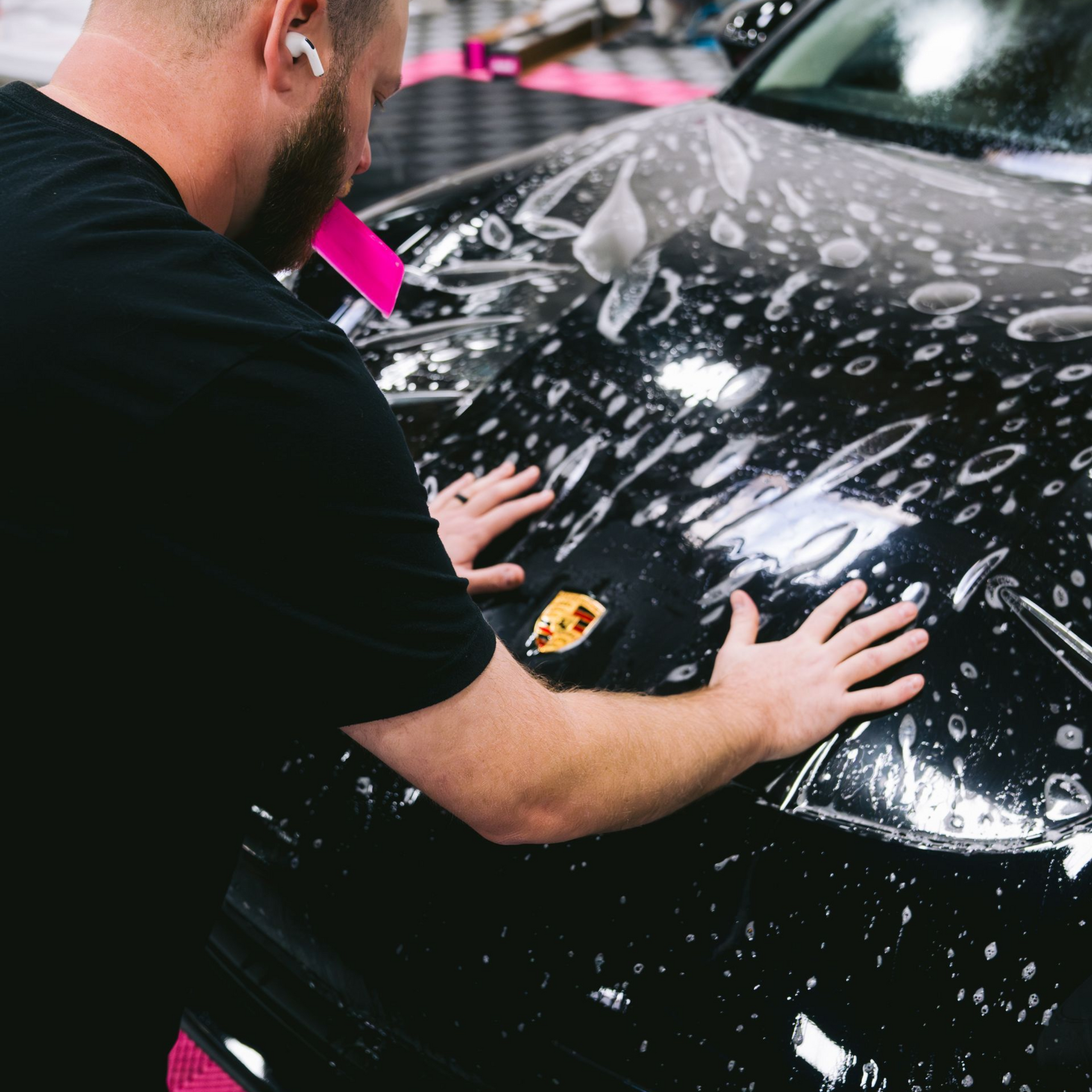
Even premium film can perform poorly when preparation or installation is rushed. Before application, the paint should be washed, decontaminated, inspected, and prepared. Dirt, wax, residue, or bonded contaminants left on the surface may become trapped beneath the film.
Because PPF is transparent, paint correction may be recommended when existing imperfections would remain visible.
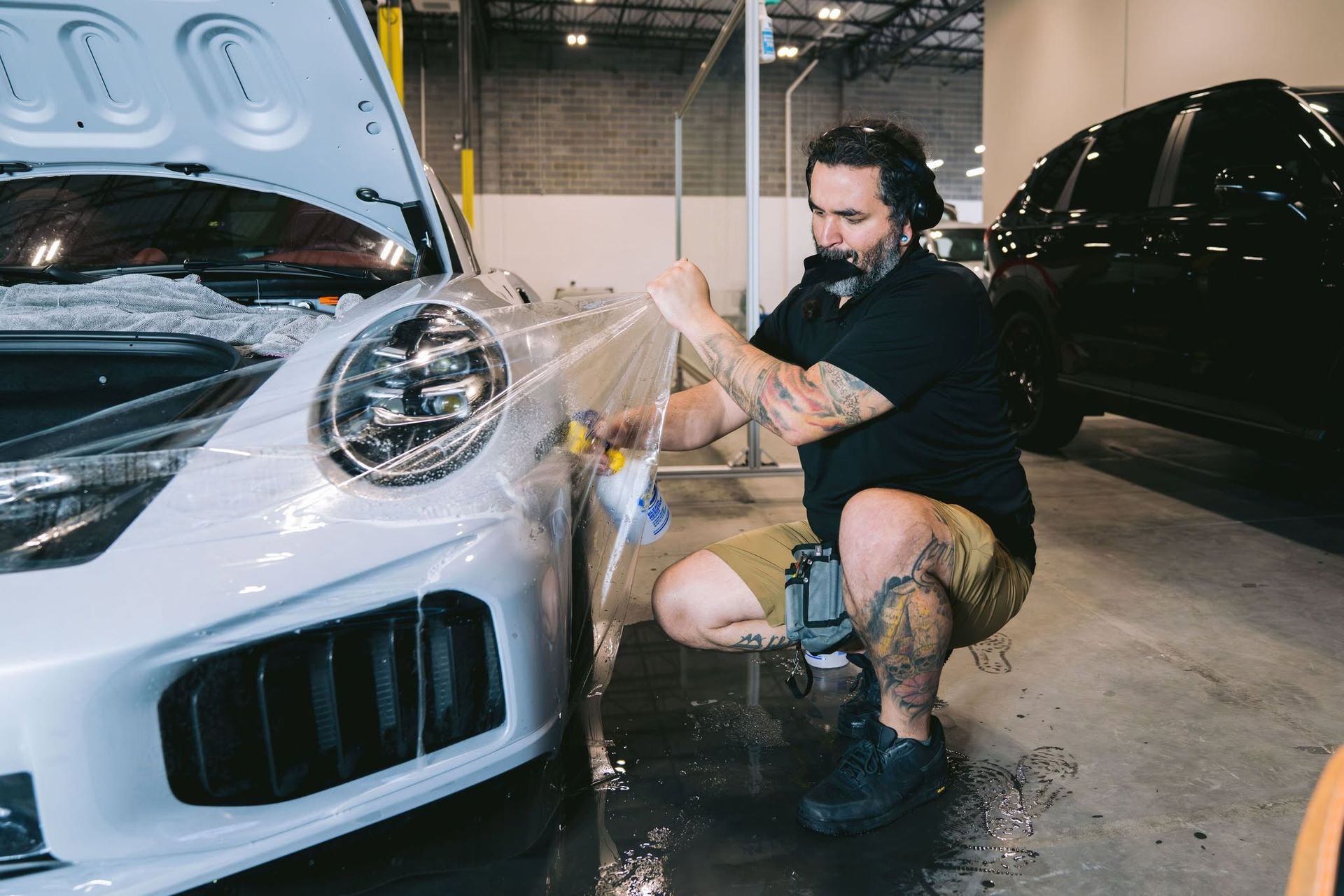
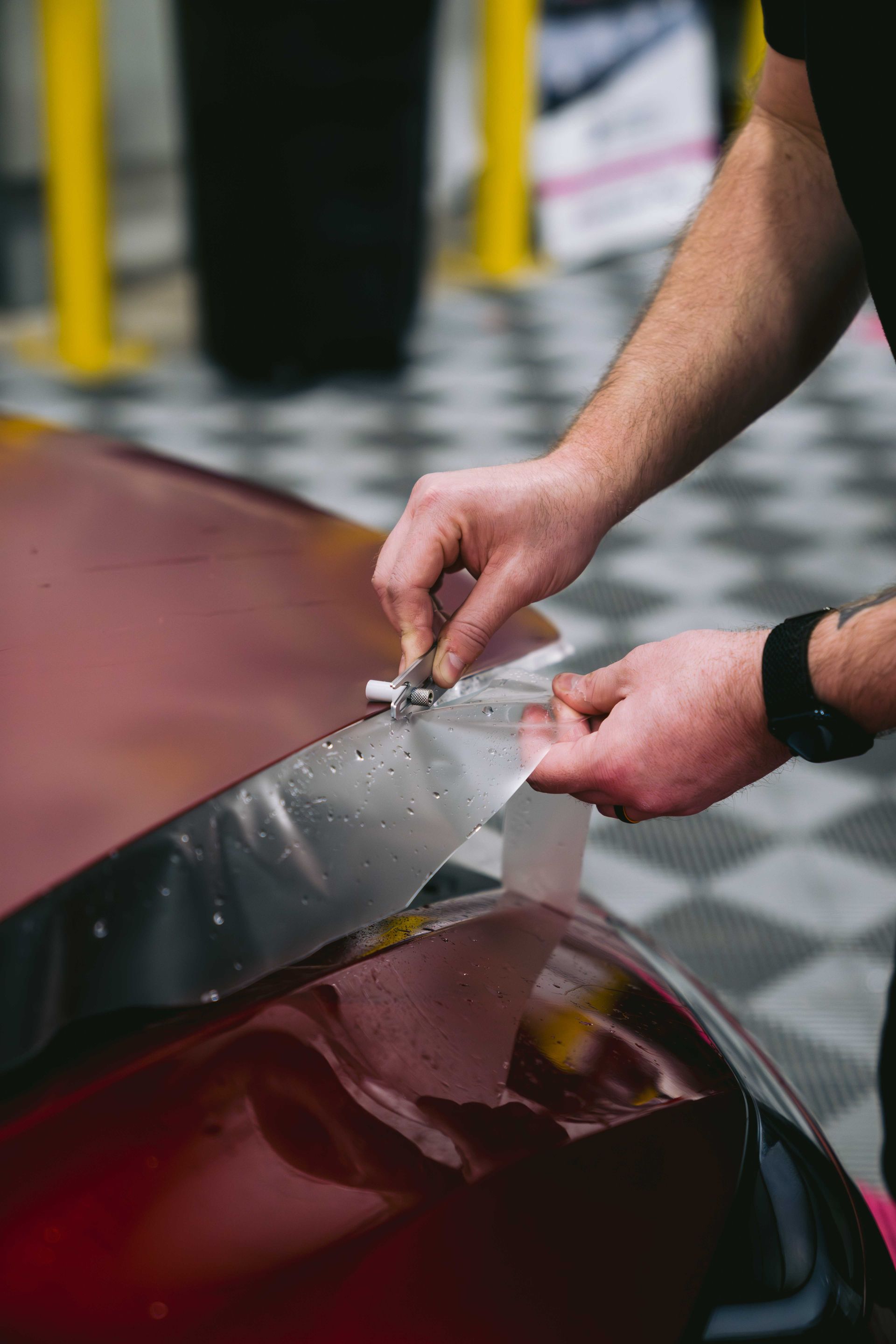
During installation, the technician must control alignment, stretch, moisture, pressure, and edge placement. A clean environment also helps reduce contamination.
Detail Solutions has served Baltimore-area vehicle owners since 2011. Our team focuses on clear communication, careful preparation, professional application, and practical aftercare guidance.
Warning Signs of Poor Film or Installation
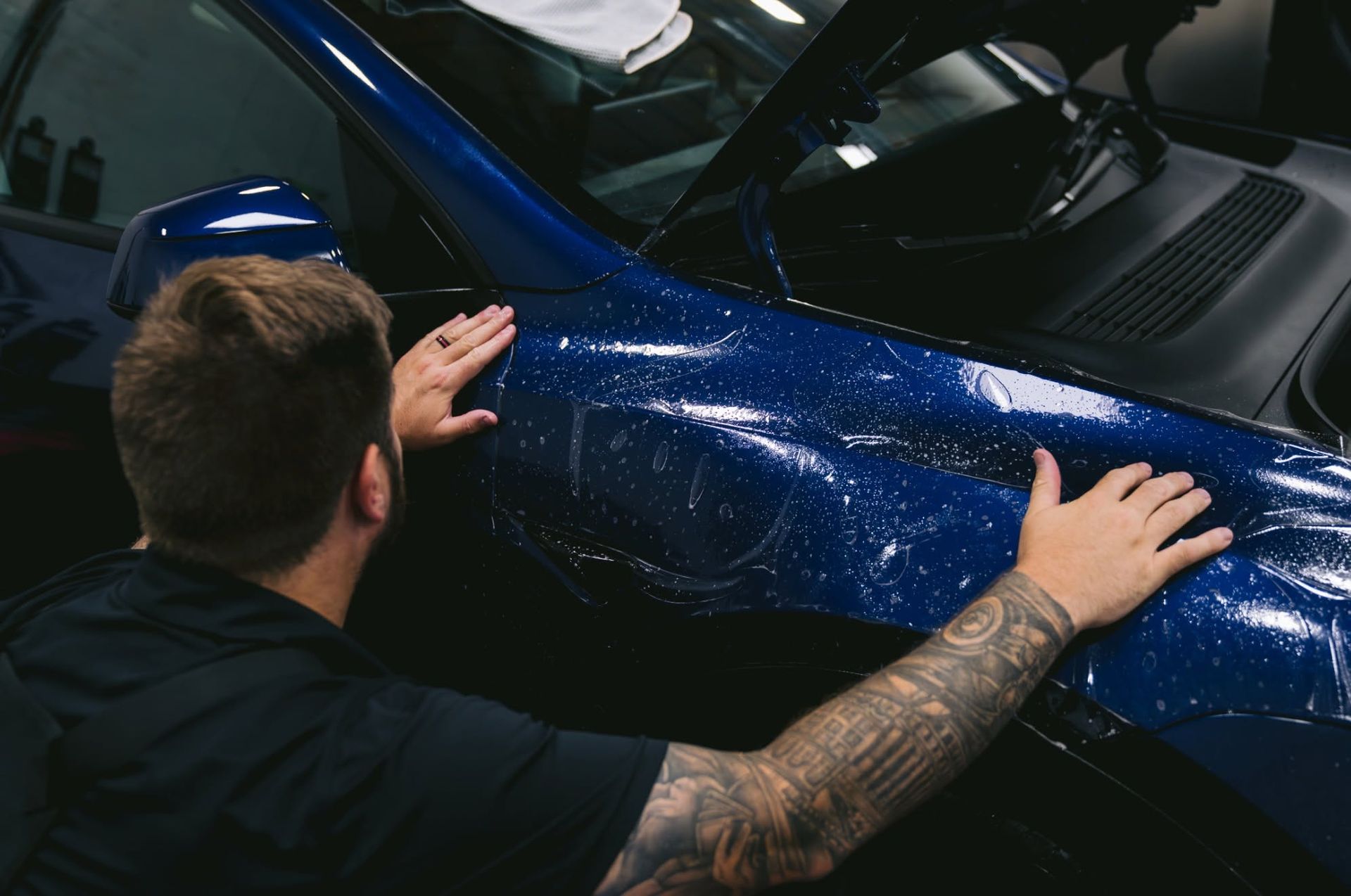
Some moisture pockets or light haze may be visible during the initial curing period. Your installer should explain what is normal and when to return for an inspection.
Potential warning signs include:
- Edges that continue to lift after curing
- Large bubbles or finger-like tension lines that do not improve
- Premature yellowing, cracking, haze, or delamination
- Dirt or fibers trapped beneath the film
- Severe stretch distortion or inconsistent gloss
- Unexplained seams or highly visible cut lines
- No written product, warranty, coverage, or care information
A reputable installer should review concerns and explain whether a section can be corrected or should be replaced.
How to Compare PPF Quotes
Do not compare estimates by price alone. Ask each installer:
- Which film and topcoat will be installed?
- Which panels are included?
- Will edges be wrapped where appropriate?
- What preparation is included?
- Is paint correction recommended?
- What warranties apply?
- What care is required during curing?
- How are future concerns handled?
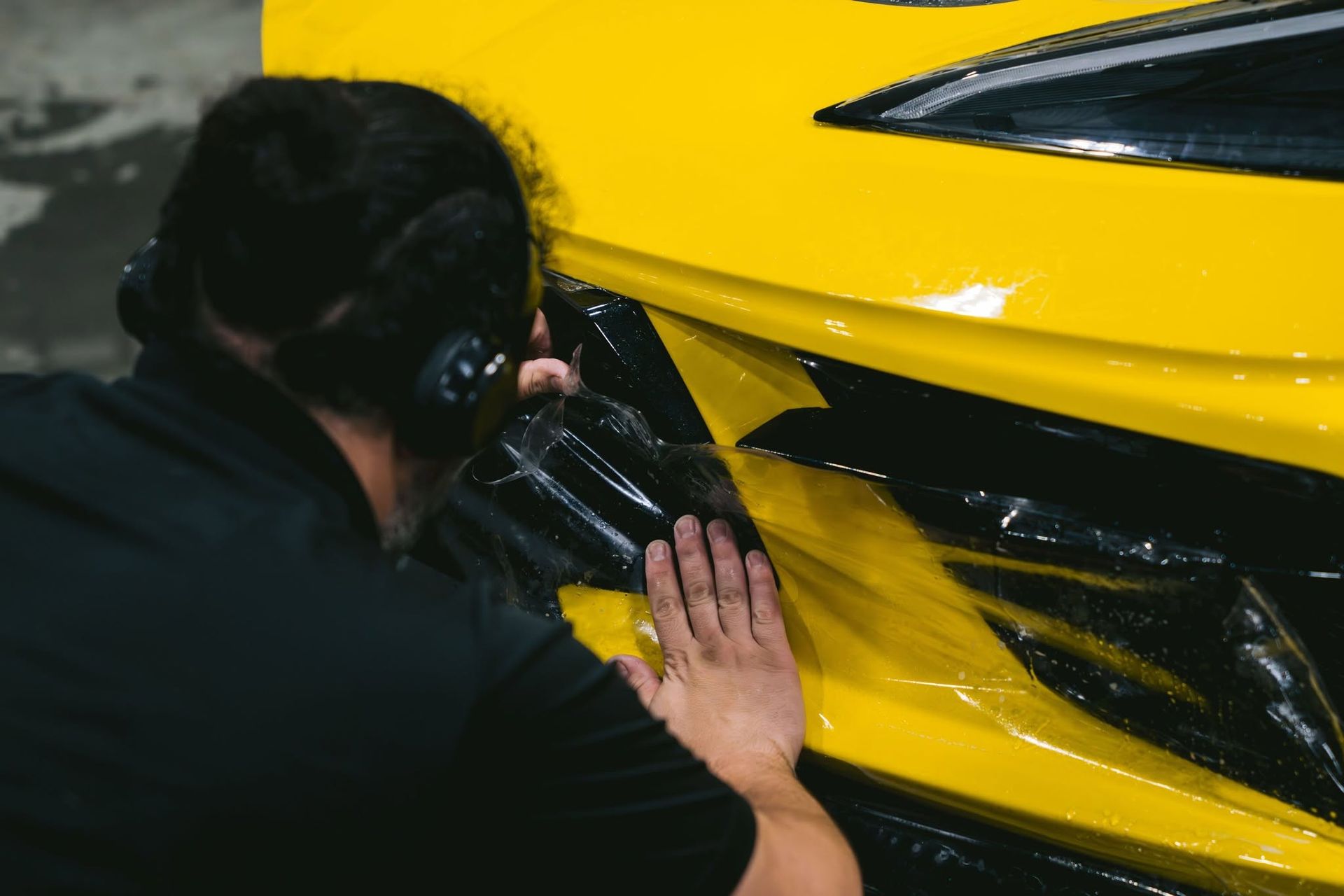
Review close-up photos of edges, corners, mirrors, and complex curves, since wide-angle photos may hide workmanship details.
Which Coverage Option Is Right for You?
A partial-front package protects selected high-impact areas at a lower cost, but it may leave a visible line across the hood or fenders. Full-front coverage generally protects the full hood, fenders, front bumper, mirror caps, and other included front-facing areas.
High-wear coverage may include rocker panels, lower doors, door cups, door edges, and rear wheel impact areas. Full-body PPF provides broader protection for luxury, performance, collectible, and frequently driven vehicles.
Color change PPF combines paint protection with a different color or finish. Detail Solutions can help you compare clear PPF, color change PPF, and coverage packages based on your vehicle, driving habits, appearance goals, and budget.
Frequently Asked Questions
Does High-Quality PPF Prevent All Damage?
No. It helps reduce damage from many everyday road hazards, but severe impacts, sharp objects, and collisions can exceed the film’s limits.
How Long Does PPF Last?
Service life depends on the product, installation, mileage, storage, exposure, maintenance, and panel location. Review the specific warranty instead of relying on a universal lifespan claim.
Can Ceramic Coating Be Applied Over PPF?
A compatible ceramic coating can often be applied over PPF to improve water behavior and make routine cleaning easier. It does not make the film impact-proof.
How Should PPF Be Maintained?
Use gentle washing methods, remove contamination promptly, and follow the installer’s curing instructions. Avoid aggressive chemicals and use pressure washers carefully around film edges.
Choose Professional PPF Installation in Baltimore, MD
High-quality PPF should provide clear optics, stable adhesion, a durable topcoat, precise installation, clear warranty documentation, and reliable support. Choosing the right installer is just as important as choosing the film.
Detail Solutions provides paint protection film, color change PPF, ceramic coating, and window tinting for vehicle owners throughout Baltimore, White Marsh, Essex, Perry Hall, Towson, Bel Air, and nearby Maryland communities.
Call Detail Solutions at
(410) 238-3000 to
request a quote and choose the right paint protection film coverage for your vehicle.