Can Paint Protection Film Be Installed on a Used Car? A Complete Guide
Yes, paint protection film can be installed on a used car, provided the existing paint is stable and properly prepared. For vehicle owners in White Marsh, Baltimore, and surrounding Maryland communities, PPF can be a practical way to help protect an older vehicle from additional rock chips, road debris, staining, and everyday environmental exposure.
The condition of the paint matters more than the age of the vehicle. Before installation, the surface should be inspected, thoroughly cleaned, decontaminated, and corrected where appropriate. Deep scratches, peeling clear coat, exposed metal, active corrosion, or unstable paint may need repair before film is applied.
At Detail Solutions, each vehicle is evaluated before installation so the right preparation and coverage can be recommended based on the condition of the paint and how the vehicle is driven.
What Is Paint Protection Film?
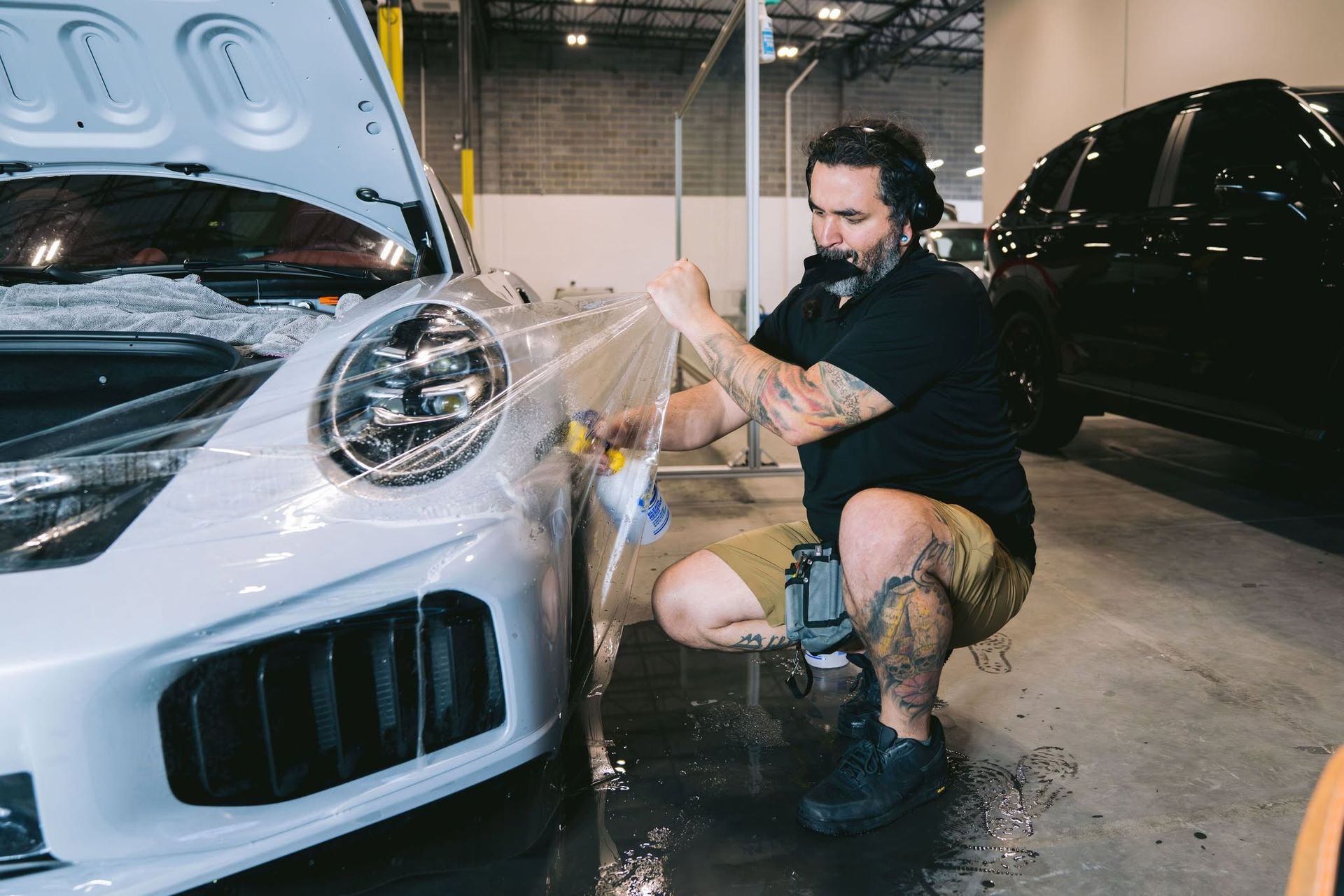
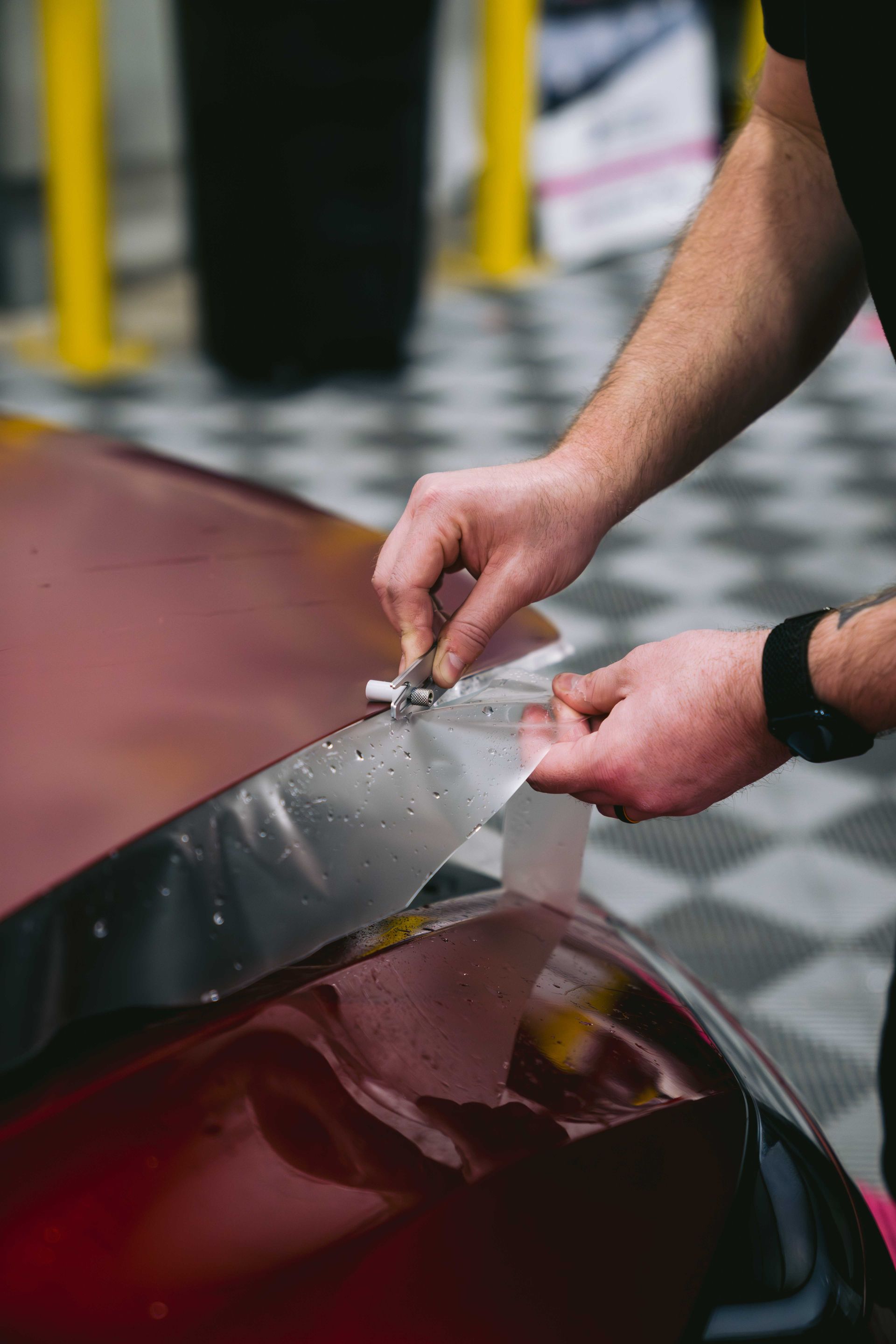
Paint protection film, commonly called PPF, is a transparent urethane film installed over painted vehicle surfaces. It acts as a physical barrier between the paint and many of the hazards encountered during everyday driving.
For drivers throughout the Baltimore area, those hazards may include stone chips from I-95 and I-695, road debris, insects, bird droppings, winter road salt, sand, and other contaminants.
Modern PPF is designed to remain flexible while absorbing light impacts that might otherwise damage the underlying paint. Many films also feature a heat-activated self-healing topcoat that can reduce the appearance of light surface marks within the film.
Detail Solutions installs LLumar paint protection film and can help vehicle owners compare available finishes and coverage options based on their appearance goals, driving habits, and level of protection needed.

Installing PPF on a Used Car
Installing PPF on a used vehicle is often possible, but the process begins with evaluating the existing finish.
Minor cosmetic imperfections may not prevent installation. However, PPF does not repair damaged paint or make existing flaws disappear. Because the film is transparent, scratches, chips, oxidation, or other defects may remain visible underneath it.
Some light swirl marks, haze, and surface imperfections can often be improved through paint correction before installation. Deeper scratches, peeling clear coat, exposed metal, active rust, or significant paint failure may require additional repair before PPF is appropriate.
The goal is to create a clean, stable surface that allows the film to bond properly while preserving the appearance of the vehicle.
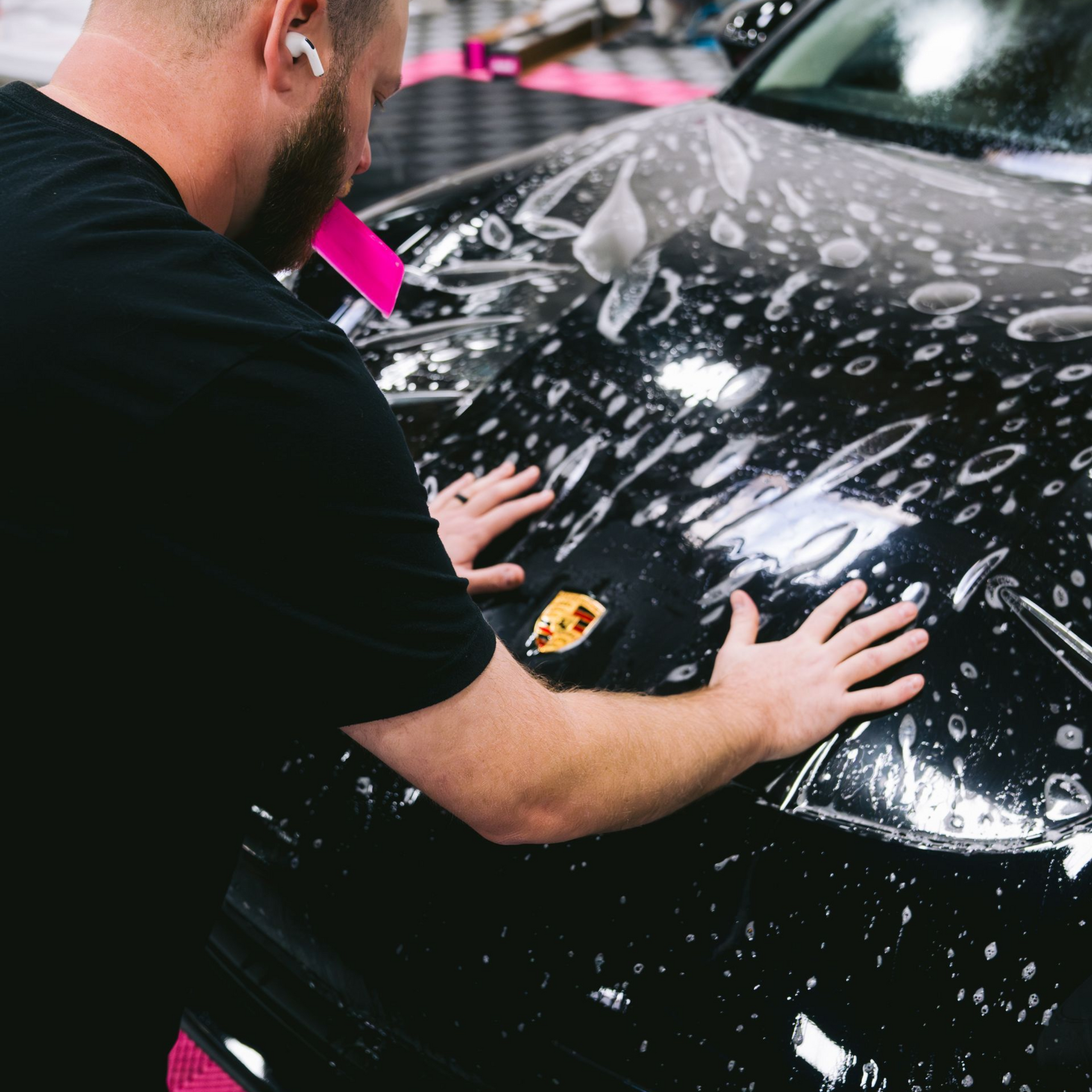
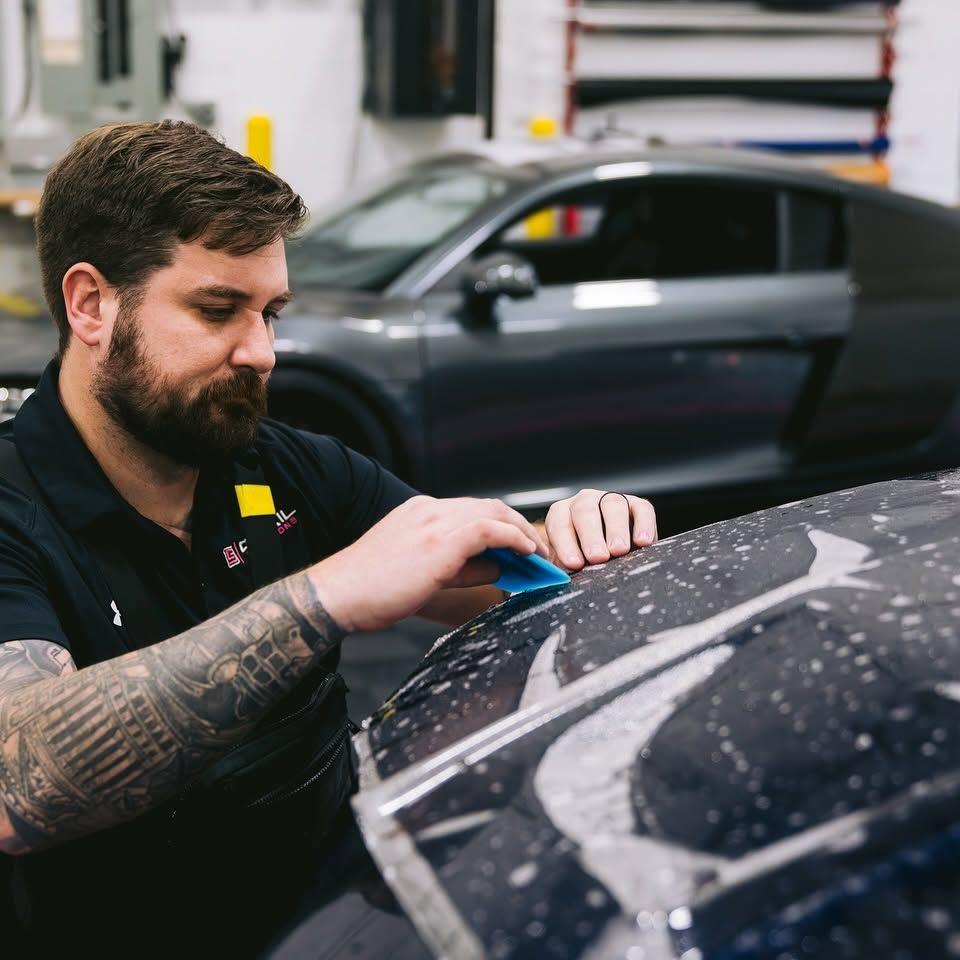
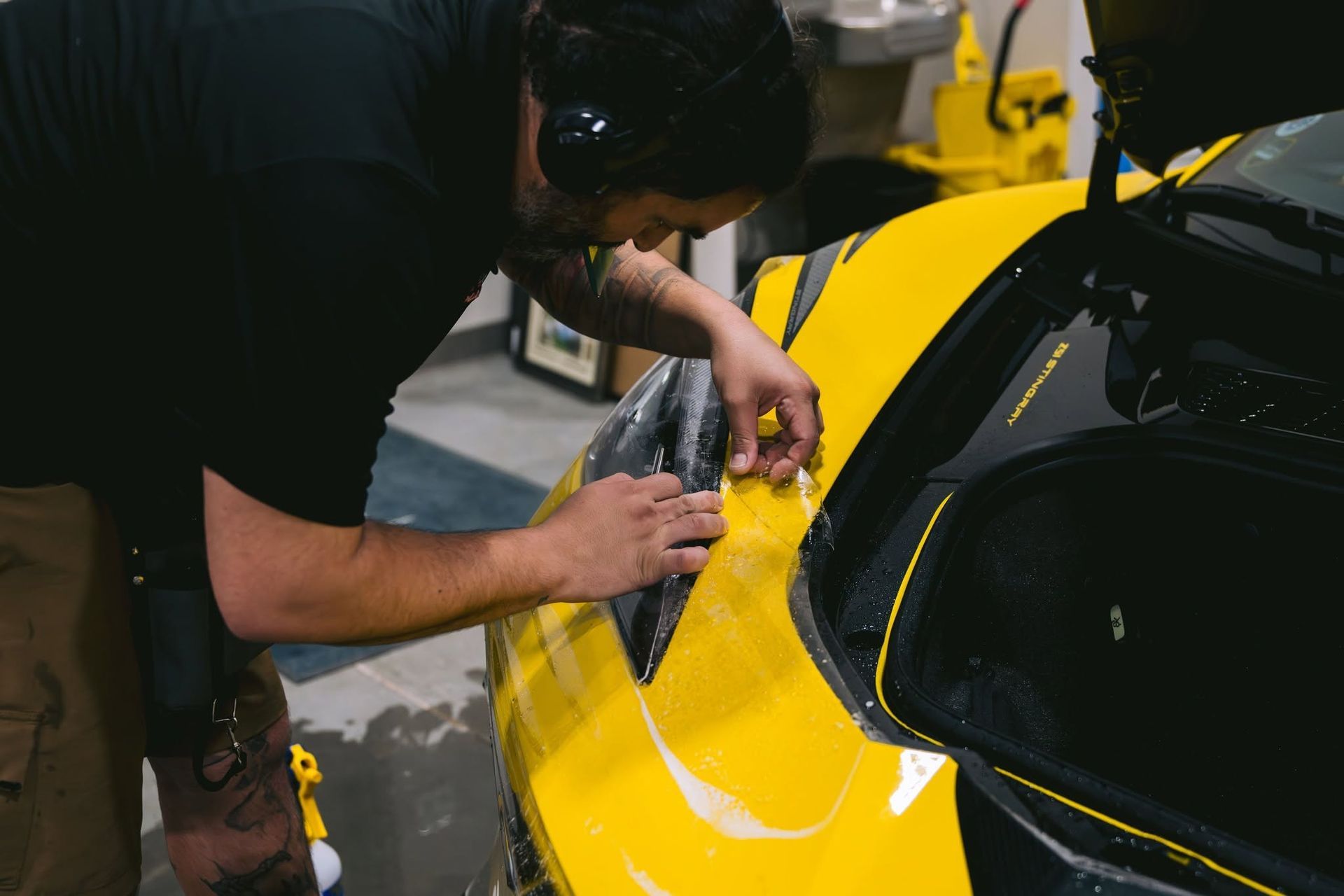
Once the paint is ready, the film is fitted to the appropriate panels and carefully installed. After application, the installation solution must dry, and the adhesive needs time to settle and bond to the surface.
How Is a Used Car Prepared for PPF?
Surface preparation is one of the most important parts of professional PPF installation, especially on a vehicle that has already been driven for several years.
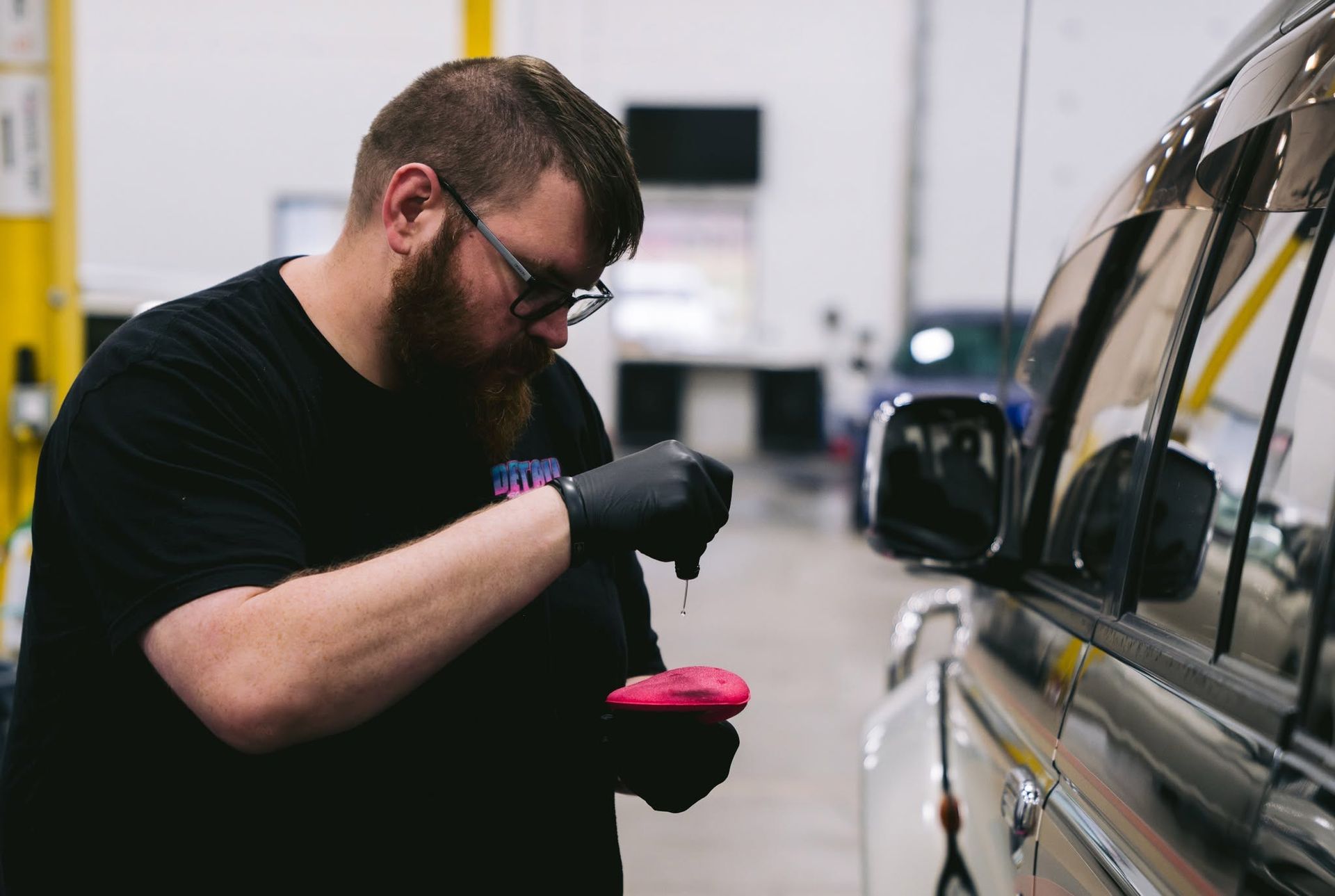
The process typically begins with a thorough hand wash using products that do not leave unwanted residue. The paint is then decontaminated to remove bonded material such as brake dust, road film, tar, tree sap, and industrial fallout.
Paint correction may be recommended if the finish has swirl marks, light scratches, oxidation, or other correctable defects. Polishing the surface before PPF installation can improve the appearance of the paint that will remain visible beneath the film.
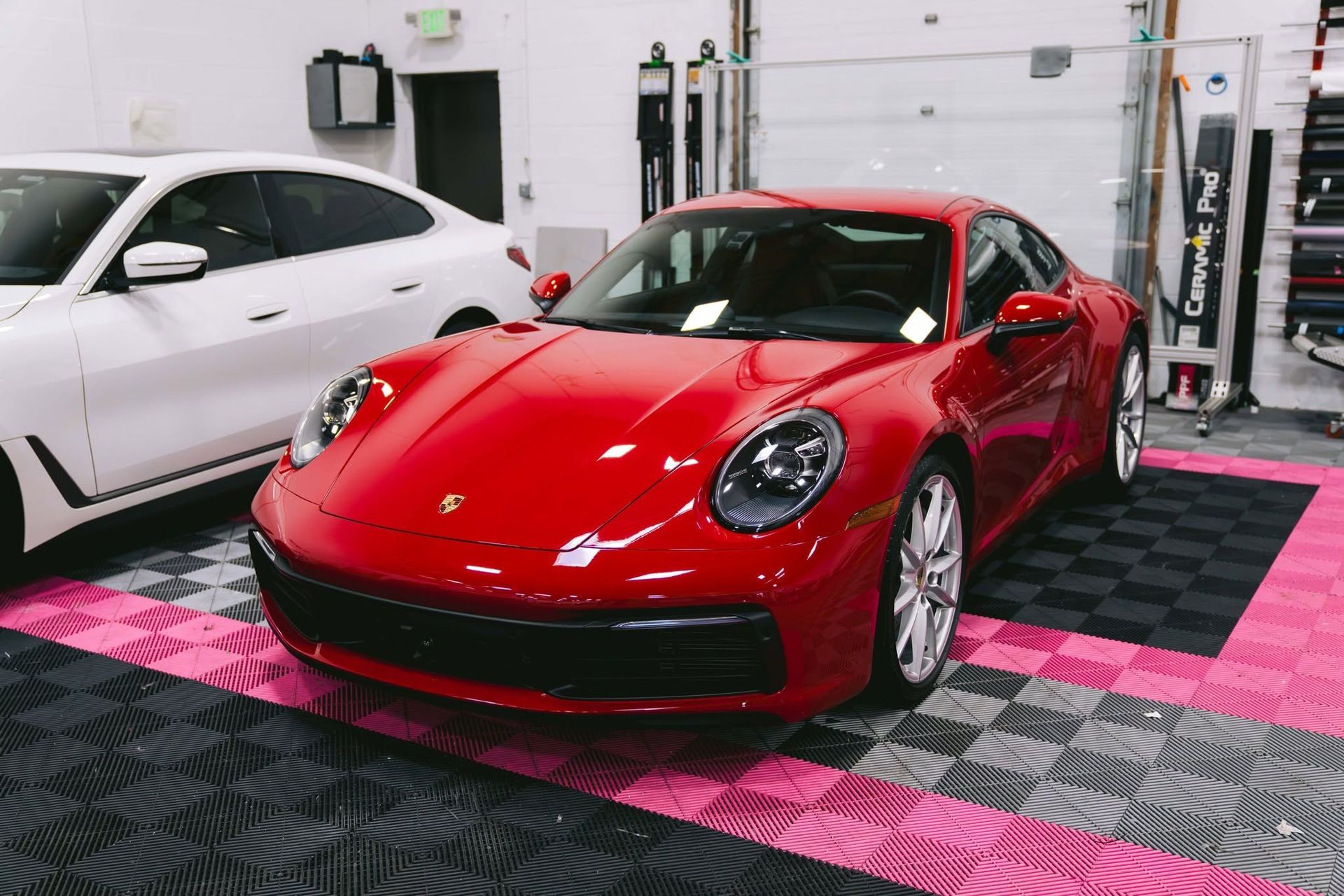
The vehicle must also be completely clean and dry before installation. Detail Solutions performs PPF installations indoors at its White Marsh facility, where the environment can be better controlled than an outdoor installation area.
Proper preparation generally includes:
- Washing and cleaning the vehicle thoroughly
- Removing bonded surface contamination
- Correcting appropriate paint defects through polishing
- Inspecting chips, scratches, clear coat, and repainted areas
- Addressing unstable paint or corrosion before installation
- Drying the surface completely before applying film
Careful preparation helps create the conditions needed for proper adhesion and a cleaner finished appearance.
When Should PPF Not Be Installed on a Used Car?
Not every used vehicle is immediately ready for paint protection film.
PPF should not be treated as a way to cover failing paint. Areas with peeling clear coat, active rust, exposed metal, unstable repaint work, or severe paint damage should be evaluated and repaired before film installation.
Freshly repainted panels may also require an appropriate curing period before PPF is applied. The required timing can depend on the paint system and repair process, so vehicle owners should follow the recommendations provided by the paint or body shop.
A professional inspection is especially valuable on older vehicles because it helps determine whether the current finish is stable enough for film or whether repairs should come first.
What Are the Benefits of PPF for an Older Vehicle?
PPF can help protect a used vehicle from additional wear after the existing finish has been properly prepared.
High-impact areas such as the front bumper, hood, fenders, and side mirrors are frequently exposed to rocks, sand, road debris, insects, and other contaminants. Applying film to these areas can provide a physical barrier that helps reduce future damage to the paint.
PPF can also make routine exterior care easier. Many modern films have slick top surfaces that help reduce how strongly dirt and contaminants adhere.
For vehicle owners planning to keep a car for several more years, protecting the existing finish may also support long-term appearance and help preserve more of the original paint.
Ceramic coating can also be installed over compatible PPF systems when additional gloss, hydrophobic behavior, and easier maintenance are desired. Detail Solutions offers protection packages that combine PPF and ceramic coating for owners seeking multiple layers of exterior protection.
DIY vs. Professional PPF Installation
DIY PPF kits are available, but installation requires careful preparation, precise positioning, contamination control, and proper handling of the film.
Flat panels may be easier for an experienced enthusiast, while curved bumpers, mirrors, edges, and complex body lines can make installation considerably more difficult. Dust, trapped air, poor alignment, or overstretched film can affect the finished appearance.
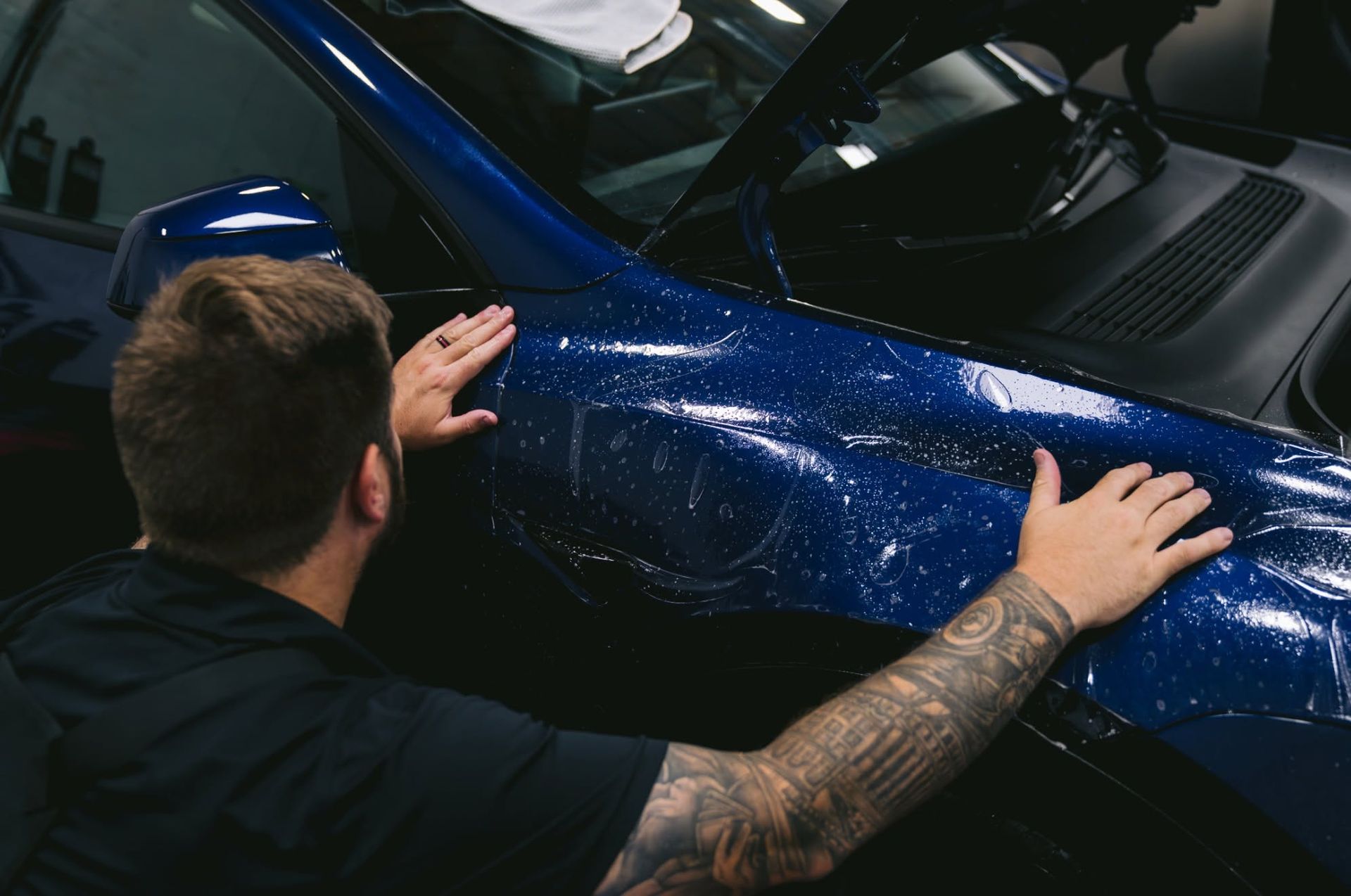
Professional installation provides access to trained installers, controlled working conditions, vehicle-specific patterns, and professional preparation equipment.
Detail Solutions has served local vehicle owners since 2011 and performs PPF installation at its White Marsh facility. For owners who prioritize clean edges, consistent coverage, and professional preparation, having the film installed professionally may be the better fit.
How Much PPF Coverage Does a Used Car Need?
The right coverage depends on the condition of the vehicle, how it is driven, how long the owner plans to keep it, and the areas most exposed to damage.
A daily highway commuter may benefit most from front-end protection because the bumper, hood, fenders, and mirrors regularly encounter road debris. A performance vehicle used on track days may need additional coverage, while an owner planning to keep a vehicle long term may prefer full-body PPF.
Detail Solutions offers options ranging from targeted front-area coverage to more extensive protection. Pricing can vary depending on vehicle size, film selection, surface condition, preparation requirements, and coverage area.
Because vehicle condition is especially important with used cars, an inspection and personalized quote can provide a more accurate recommendation than selecting coverage based on age alone.
How Do You Maintain PPF on a Used Car?
PPF requires routine care, but maintenance is generally straightforward.
Wash the vehicle with appropriate automotive products and soft wash materials. Avoid aggressive scrubbing or harsh chemicals that could affect the film surface. Bird droppings, insects, tree sap, and other contaminants should be removed promptly.
When using a pressure washer, avoid directing concentrated pressure at film edges. If an edge begins lifting or an area becomes unusually cloudy, have the film inspected before dirt or contaminants work underneath it.
Consistent care can help maintain both the film and the protected paint beneath it.
Is Paint Protection Film Worth Installing on a Used Car?
PPF can be a worthwhile investment for a used car when the paint is stable, properly prepared, and worth preserving. Vehicle age alone does not determine whether PPF makes sense. Paint condition, driving habits, ownership plans, coverage needs, and budget all play a role.
Detail Solutions serves drivers throughout Baltimore, White Marsh, Essex, Perry Hall, Owings Mills, Nottingham, Hunt Valley, Bel Air, Towson, Middle River, Fallston, and surrounding Maryland communities.
If you are unsure whether your used vehicle is ready for PPF, Detail Solutions can inspect the paint, explain your coverage options, and recommend the appropriate preparation before installation. Call
(410) 238-3000 or request a free quote online to get started.