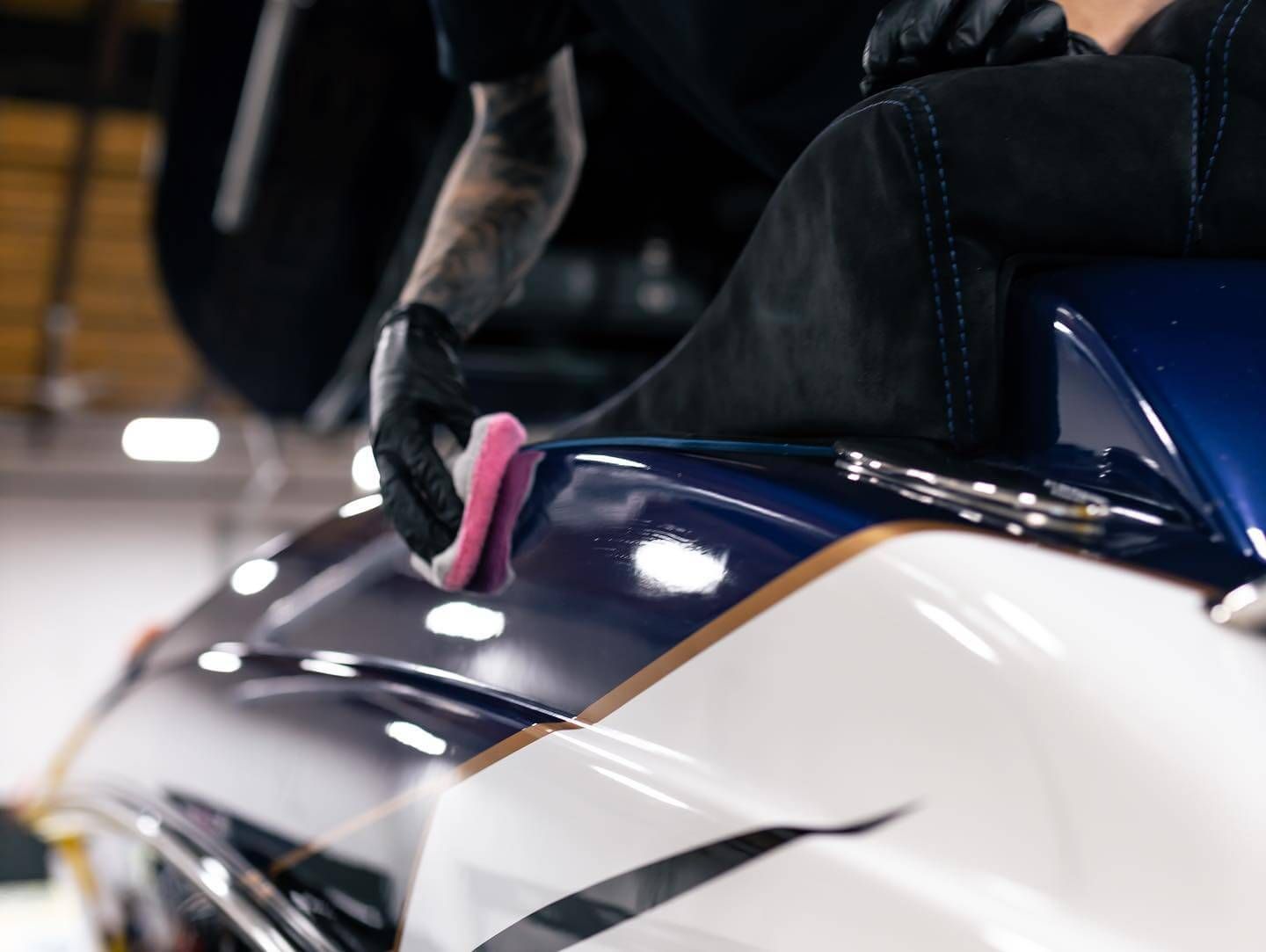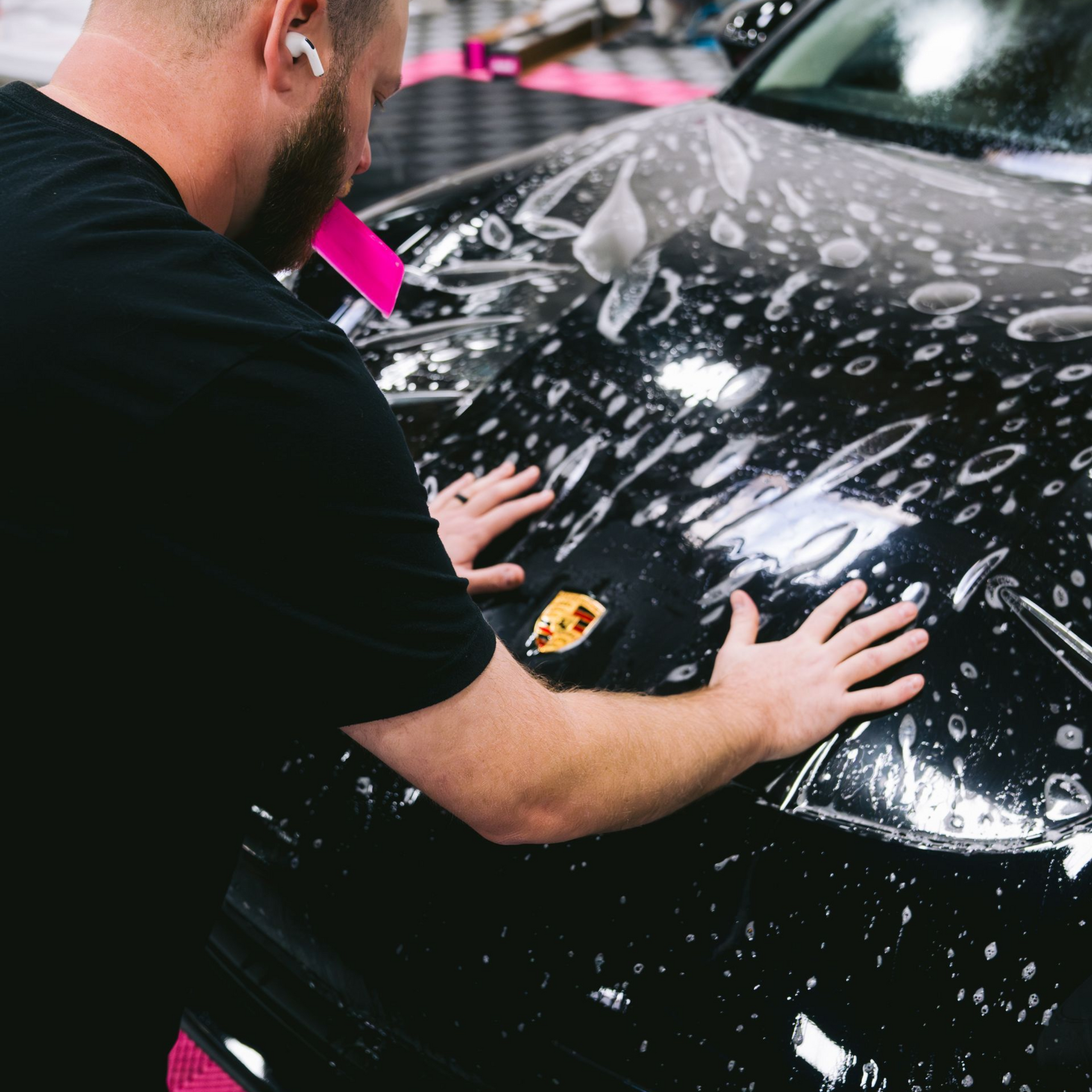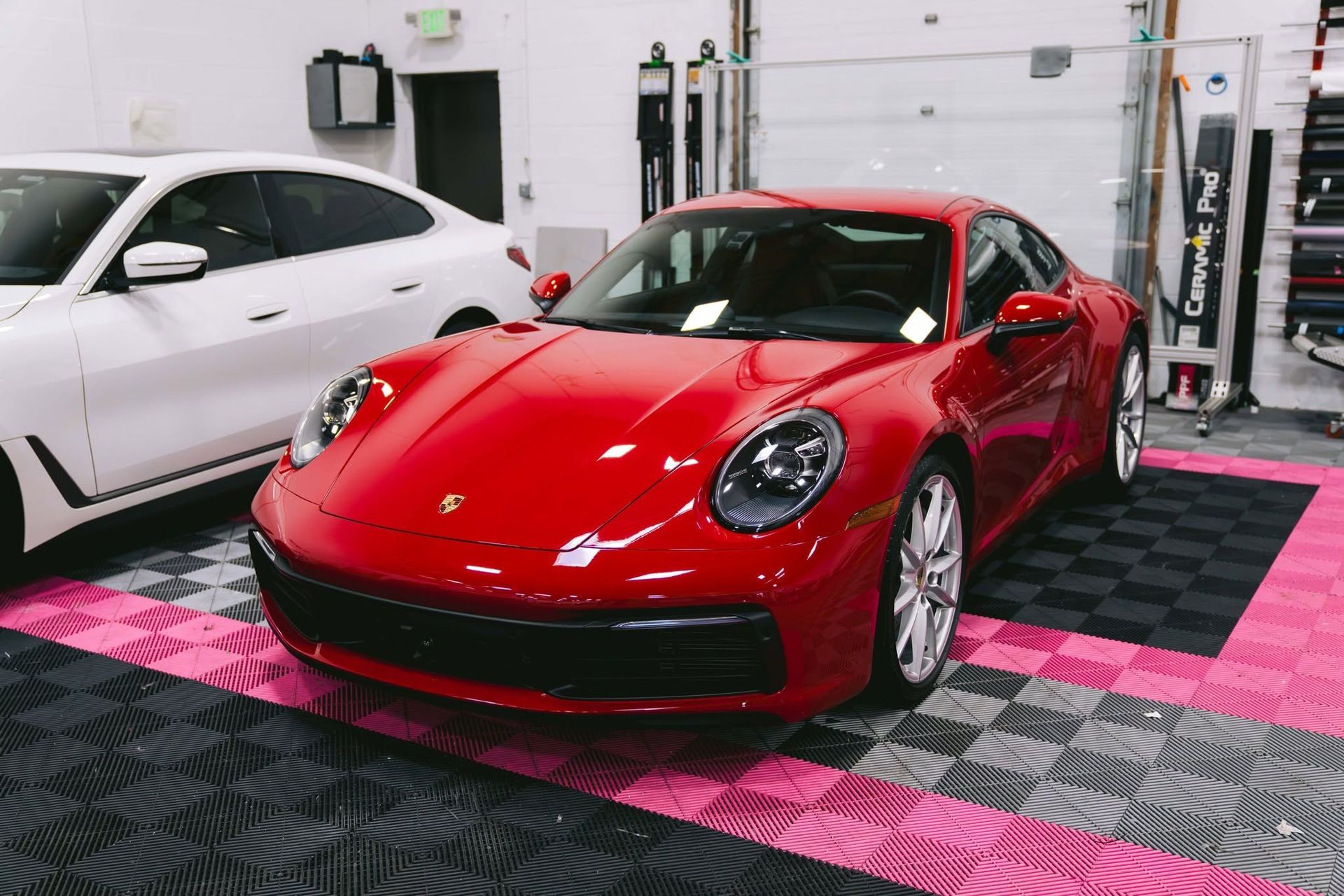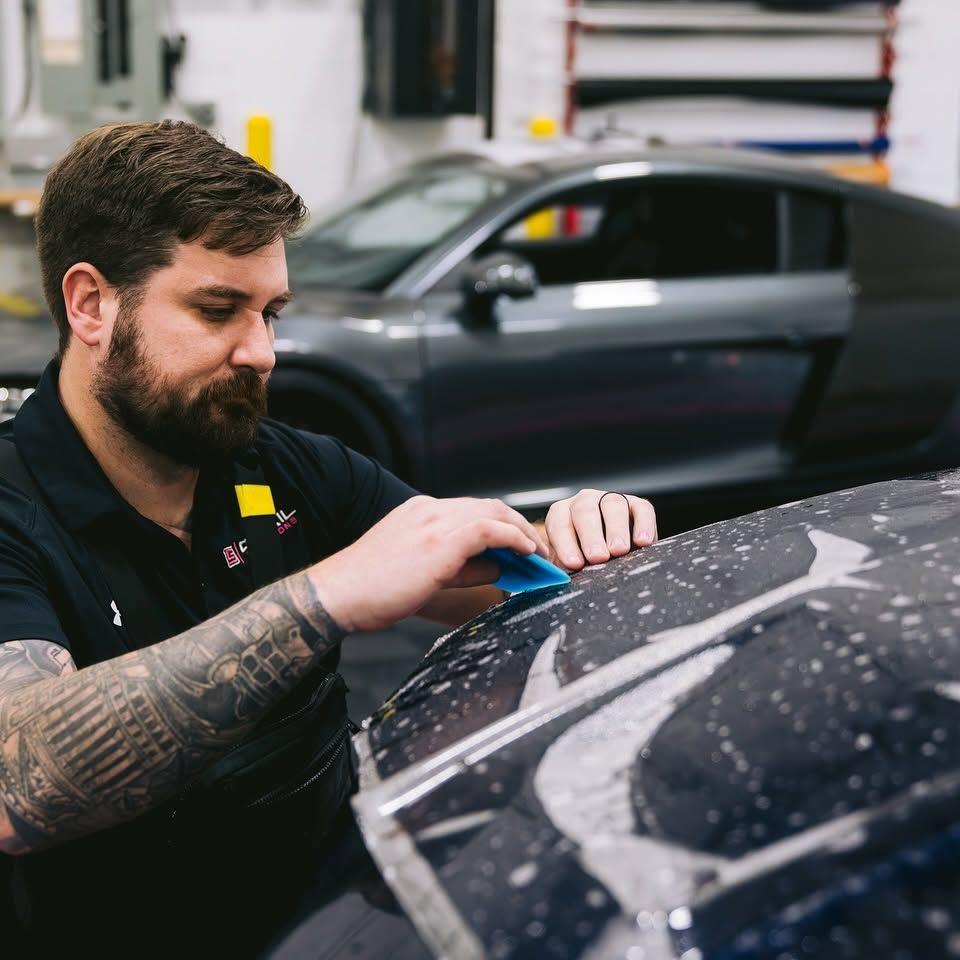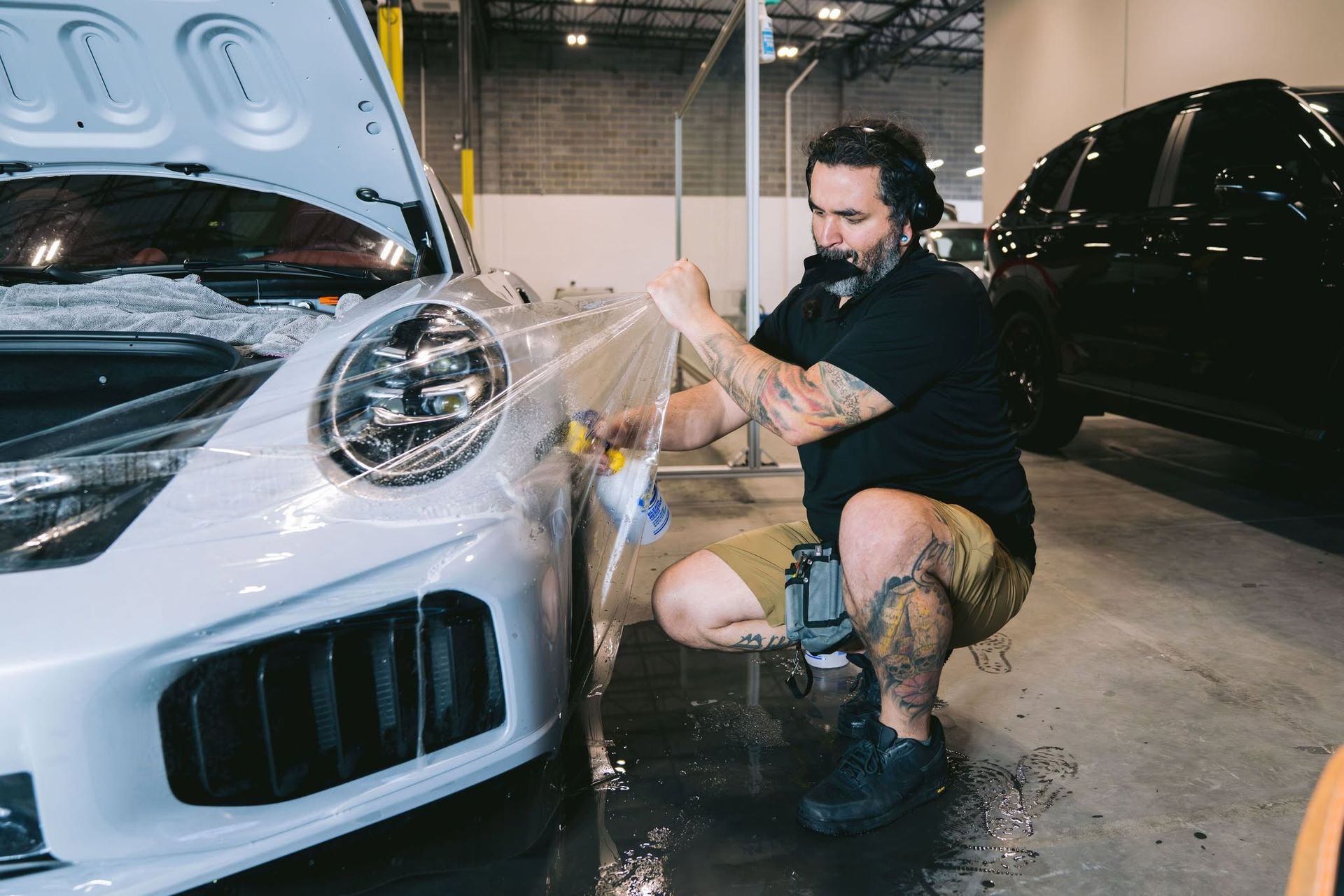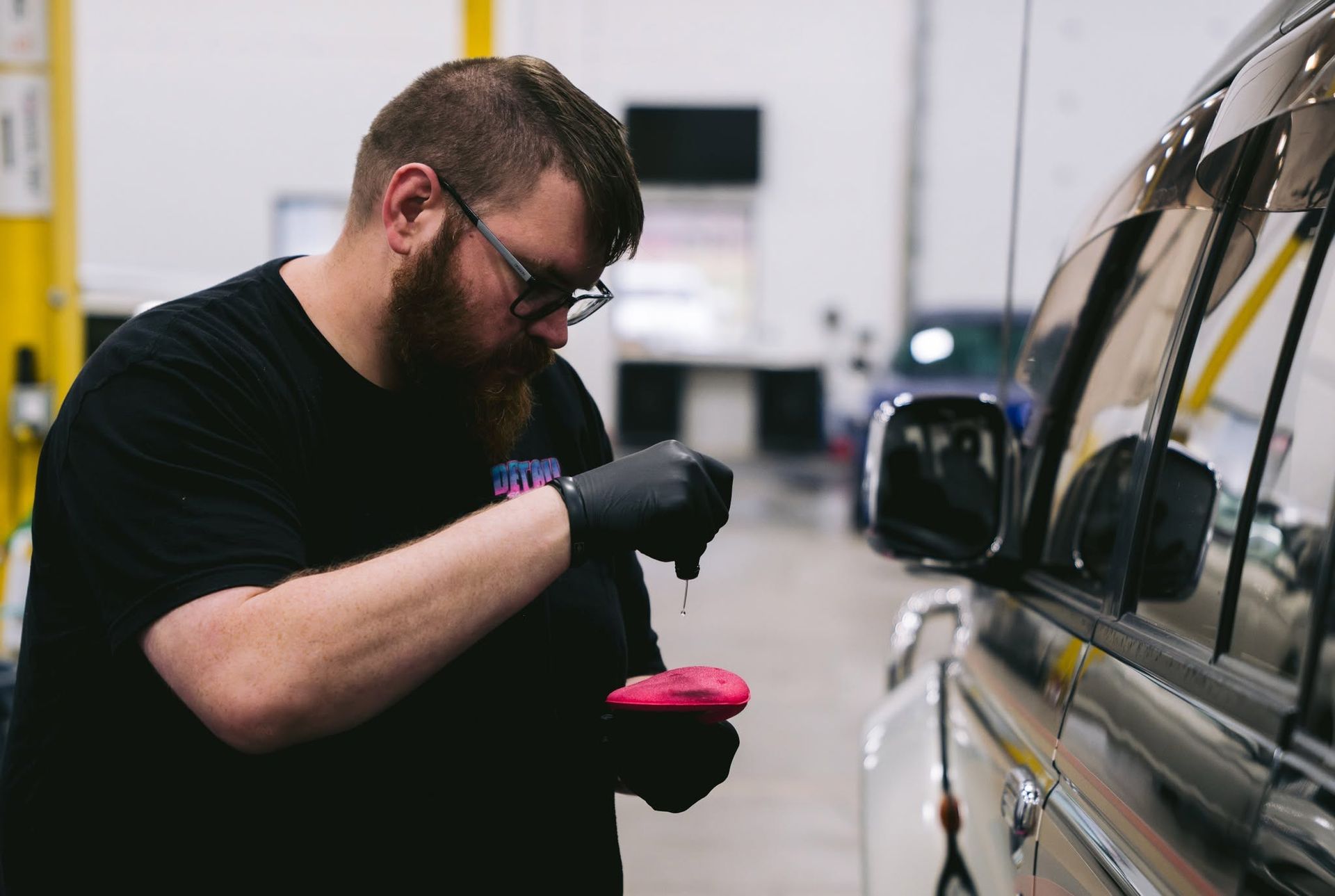
When you invest in paint protection film for your vehicle, you want that protection to last. PPF is designed to help defend your paint from rock chips, scratches, road debris, bug stains, and everyday wear. However, the way you wash your vehicle can make a major difference in how well the film performs over time.
For Baltimore-area drivers, automatic car washes may seem like the easiest way to keep a vehicle clean, especially with busy schedules, changing weather, road salt, pollen, and highway grime. But if your vehicle has paint protection film, ceramic coating, or color change PPF, not every wash method is safe.
In many cases, automatic car washes can damage paint protection film by lifting film edges, weakening adhesive bonds, dulling the finish, or creating fine swirl marks. Brush-based washes are especially risky because they use repeated friction and pressure that can wear down the protective top layer of the film. For the best long-term results,
Detail Solutions recommends gentle hand washing, rinseless washing, or professional detailing with PPF-safe products and techniques.
Are Automatic Car Washes Safe for Paint Protection Film?
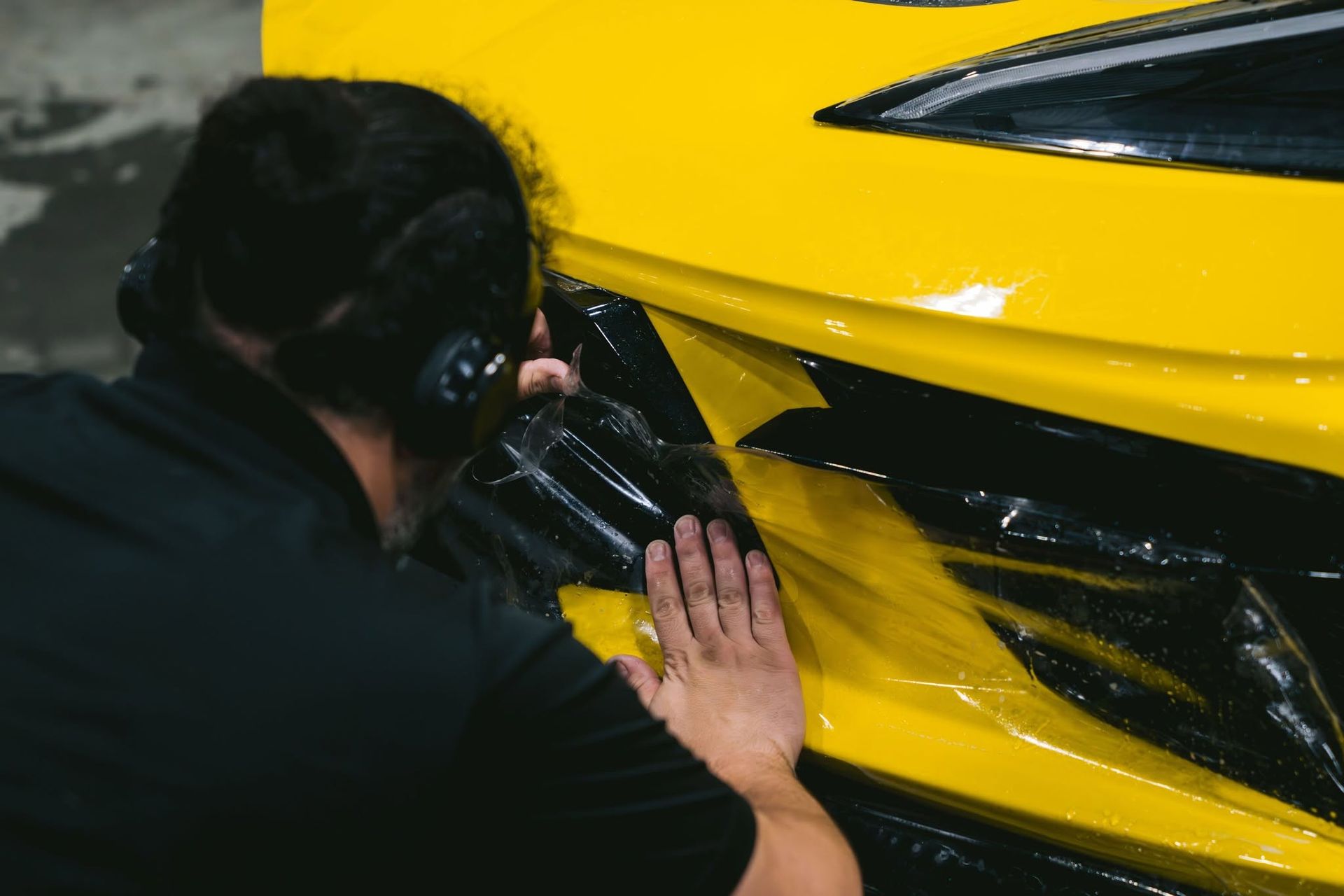
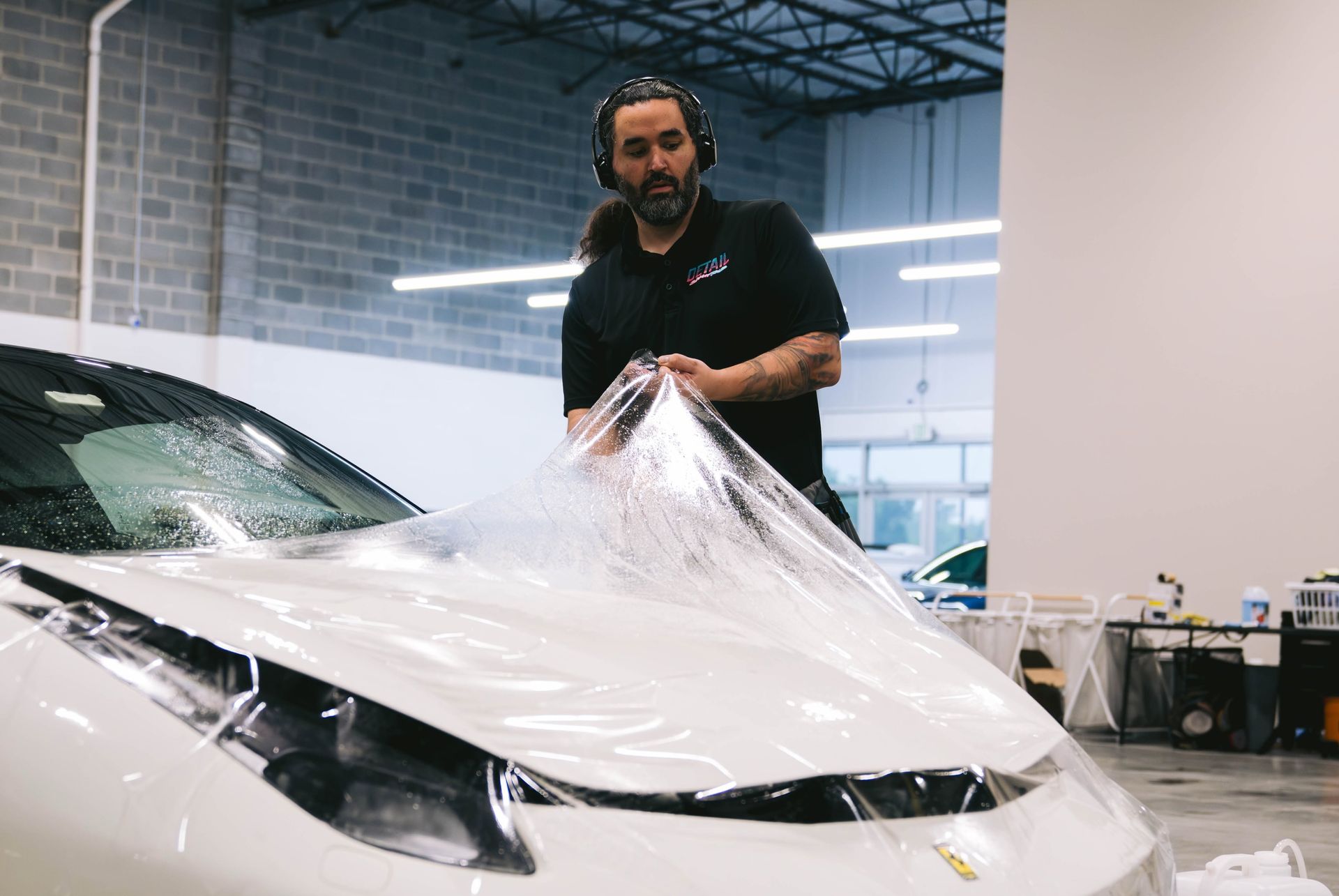
Automatic car washes are convenient, but convenience can come at a cost when your vehicle has PPF. Paint protection film is durable, but it is not indestructible. It is made to protect against normal driving hazards, not repeated scrubbing from stiff brushes or high-pressure water aimed directly at film edges.
The most vulnerable areas are usually the edges, seams, mirrors, bumpers, and other curved surfaces where film may be more exposed to pressure. Once an edge starts to lift, dirt, moisture, and debris can work underneath the film. That can reduce the appearance and performance of the PPF and may eventually require repair or replacement.
Many automatic washes are also designed for speed and volume. Their brushes may hold dirt or grit from previous vehicles, which can drag across the film and create fine scratches or haze. Even if damage is not obvious right away, repeated visits can shorten the life of your paint protection film and reduce the clear, glossy finish that makes your vehicle look well maintained.
How Brushes, Rollers, and Pressure Can Damage PPF
Brushes and rollers are some of the biggest concerns for PPF-protected vehicles. These systems use firm, repeated contact to remove dirt from the surface. On bare paint, that may already increase the risk of swirl marks. On paint protection film, it can be even more problematic because the film has edges and seams that need to stay sealed.
High-pressure water can also create issues when it is aimed too closely at vulnerable areas. Pressure near film edges may encourage lifting, especially if the film is still curing, was recently installed, or already has a small weak spot. This does not mean a vehicle with PPF can never be rinsed with pressure, but it does mean pressure should be controlled and never directed aggressively at the edges.
The risk increases when PPF is layered with ceramic coating. Ceramic coating can add gloss, slickness, and easier cleaning, but harsh washing methods may reduce its performance over time. If you invested in paint protection film and ceramic coating together, the safest wash routine is one that protects both surfaces.
Are Touchless Car Washes Better for PPF?
Touchless car washes are usually safer than brush-based automatic washes because they do not rely on physical scrubbing. However, they are not always the best choice for vehicles with paint protection film.
Many touchless washes use stronger detergents and higher water pressure to compensate for the lack of contact. These chemicals may be effective for removing road grime, but they may not be ideal for PPF, ceramic coatings, or other protective finishes when used repeatedly. Over time, strong cleaners can dull the finish, reduce coating performance, or contribute to premature wear.
If you need a quick option, a touchless wash may be less risky than a brush-based wash, but it should not replace proper hand washing or professional detailing. Avoid washes that use harsh chemicals, aggressive pressure, or drying systems that make direct contact with the vehicle.
What Is the Best Way to Wash a Vehicle With PPF?
The safest way to wash a vehicle with paint protection film is to use gentle products, clean tools, and controlled contact. A proper wash routine helps protect the film while maintaining the gloss and clarity of your finish.
For traditional hand washing, use a pH-neutral car shampoo, clean microfiber wash mitts, and a two-bucket method. One bucket should hold clean soapy water, while the other is used to rinse dirt from the mitt before it touches the vehicle again. This helps reduce the risk of dragging grit across the PPF.
Rinseless washing is another strong option for PPF maintenance. Products such as rinseless wash solutions use lubrication to help lift dirt safely with microfiber towels. The key is to use multiple clean towels and avoid wiping with a dirty side. This method is especially useful for light to moderate dirt and for vehicle owners who want a safer alternative to automatic washes.
When washing your vehicle, follow these best practices:
Park in the shade before washing so the surface stays cool.
Rinse loose dirt and debris before touching the surface.
Use pH-neutral products that are safe for PPF and ceramic coatings.
Wash in straight lines instead of circular motions to reduce swirl marks.
Use clean microfiber towels or wash mitts.
Dry the vehicle completely to help prevent water spots.
Avoid abrasive sponges, stiff brushes, and harsh chemicals.
These habits help your paint protection film stay clear, glossy, and secure for years.
When Should You Choose Professional PPF Maintenance?
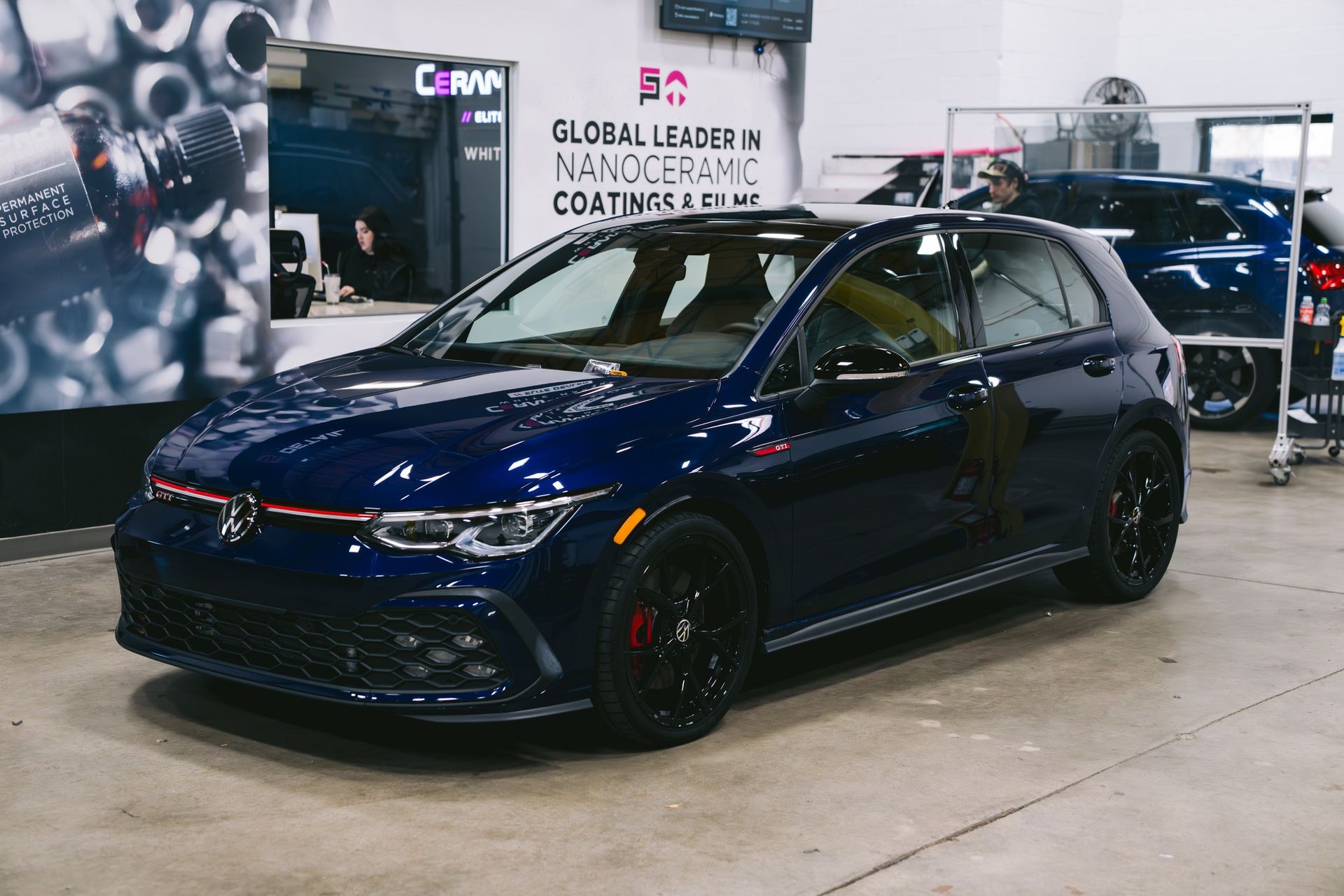
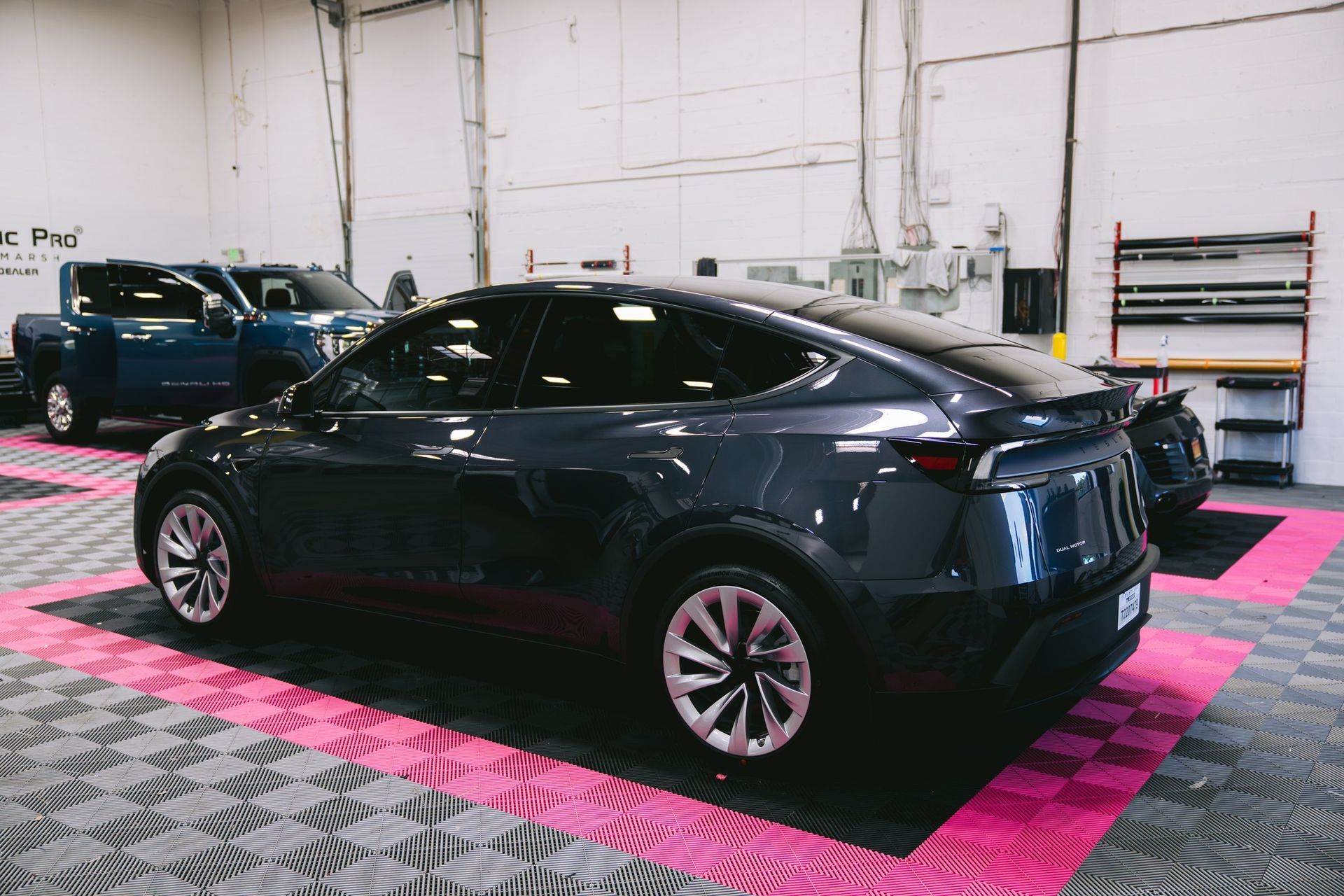
If you do not have the time, space, or tools to wash your vehicle properly, professional detailing is the safer choice. A trained team can clean the vehicle without putting unnecessary stress on the film, coating, trim, or tinted surfaces.
At Detail Solutions, we install and maintain paint protection film, ceramic coatings, window tinting, and color change PPF for vehicle owners throughout Baltimore and nearby communities. Our team uses wash methods and products designed for protected vehicles, including soft mitts, microfiber towels, PPF-safe cleaners, and controlled drying techniques.
Professional maintenance is also helpful because it gives trained technicians a chance to inspect the film. Small issues, such as minor edge lifting or early surface contamination, are easier to correct when they are caught early. Waiting too long may lead to more noticeable damage or a more expensive repair.
If you already see cloudy areas, lifted edges, bubbling, dull spots, or scratches after using automatic car washes, it may be time to schedule an inspection.
Local PPF Care for Baltimore-Area Drivers
Baltimore drivers deal with a wide range of conditions that can affect a vehicle’s finish. Road salt, rain, heat, pollen, highway debris, and daily traffic can all put stress on paint protection film. Proper care helps protect your investment and keeps your vehicle looking sharp through every season.
Detail Solutions serves vehicle owners throughout Baltimore, Essex, Perry Hall, White Marsh, Owings Mills, Nottingham, Hunt Valley, Bel Air, Towson, Middle River, and Fallston, MD. Whether you recently installed PPF, are maintaining ceramic coating, want window tinting, or are interested in color change PPF, our team can help you choose the right protection and care routine for your vehicle.
We also offer special pricing for Tesla owners, along with free charging on our Level 2 Tesla charger while your vehicle is being serviced.
FAQs About Paint Protection Film and Car Washes
Can I take my car through an automatic wash after PPF installation?
It is best to avoid brush-based automatic washes after PPF installation. These washes can lift film edges, create swirl marks, and reduce the long-term performance of the film. Always follow your installer’s care instructions after installation.
Is a touchless car wash safe for paint protection film?
A touchless wash is generally safer than a brush-based wash, but it may still use strong detergents or high pressure. For the safest long-term care, choose gentle hand washing, rinseless washing, or professional detailing.
Can ceramic coating go over paint protection film?
Yes, ceramic coating can often be applied over paint protection film to improve gloss, slickness, and ease of cleaning. Detail Solutions can recommend the right option based on your vehicle, film type, and maintenance goals.
How do I know if my PPF has been damaged?
Common signs include lifted edges, bubbling, haze, scratches, dullness, or dirt collecting around seams. If you notice any of these issues, schedule a professional inspection before the damage spreads.
Schedule PPF Care With Detail Solutions
Protecting your investment starts with proper installation and continues with the right maintenance routine. Detail Solutions specializes in paint protection film, ceramic coatings, window tinting, and color change PPF for drivers throughout the Baltimore area.
For questions about caring for your PPF or to schedule a consultation,
visit Detail Solutions or call (410) 238-3000.