PPF Surface Preparation: Why It Makes or Breaks Your Installation Quality
When drivers invest in Paint Protection Film (PPF), they expect long-lasting protection against rock chips, road debris, scratches, and UV damage. However, many vehicle owners focus only on the film itself and overlook one of the most important parts of the process: surface preparation.
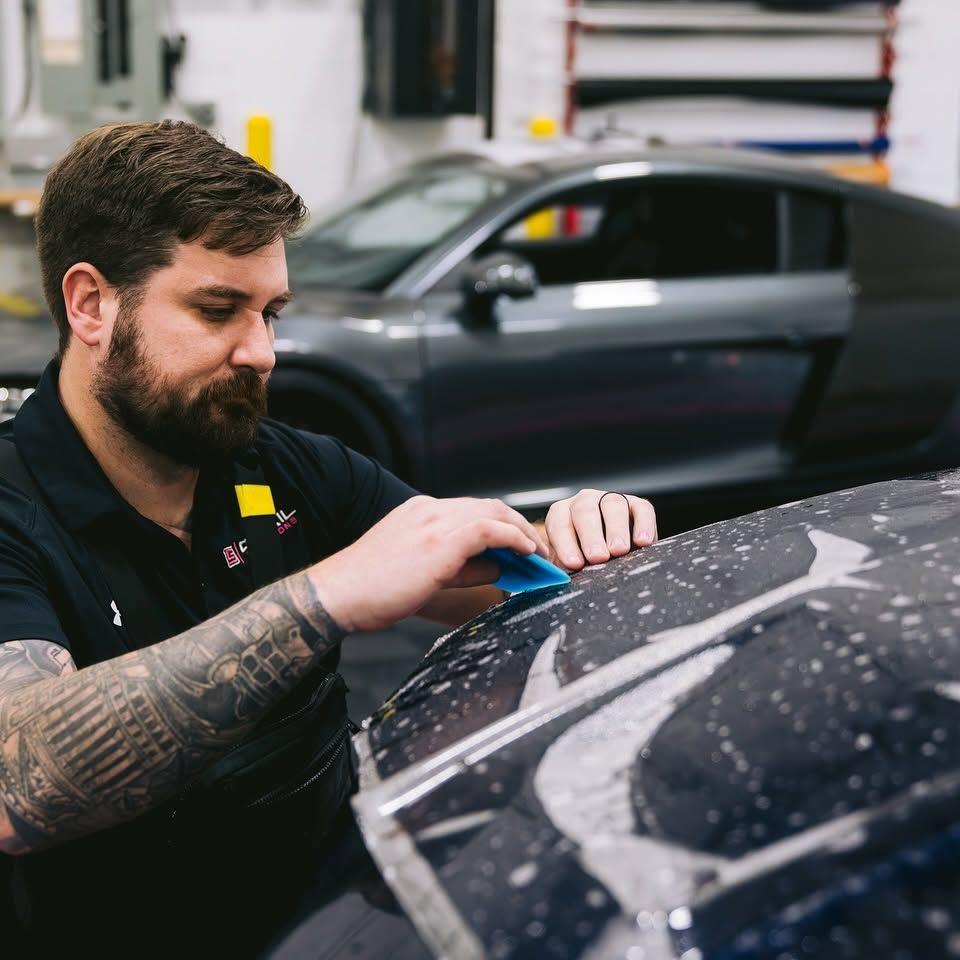
Even the highest-quality PPF can fail if the paint underneath is not properly cleaned and corrected before installation. Poor preparation can lead to bubbling, peeling, lifting, and visible imperfections that reduce both appearance and durability.
At
Detail Solutions in Baltimore, MD, we believe professional surface preparation is the foundation of a successful PPF installation. Here’s why proper prep work matters and how it directly affects the performance and lifespan of your paint protection film.
Why Surface Preparation Matters Before PPF Installation
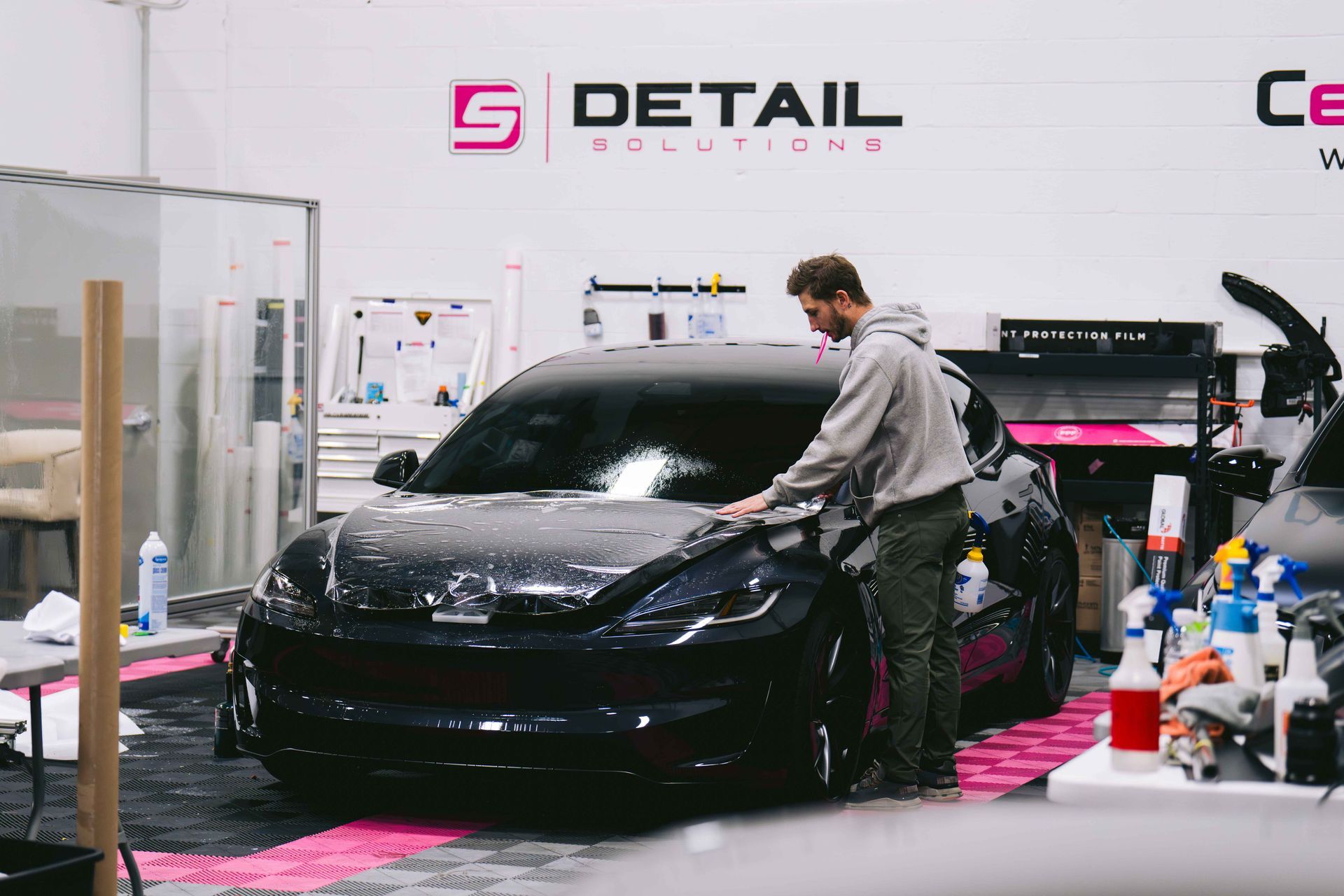
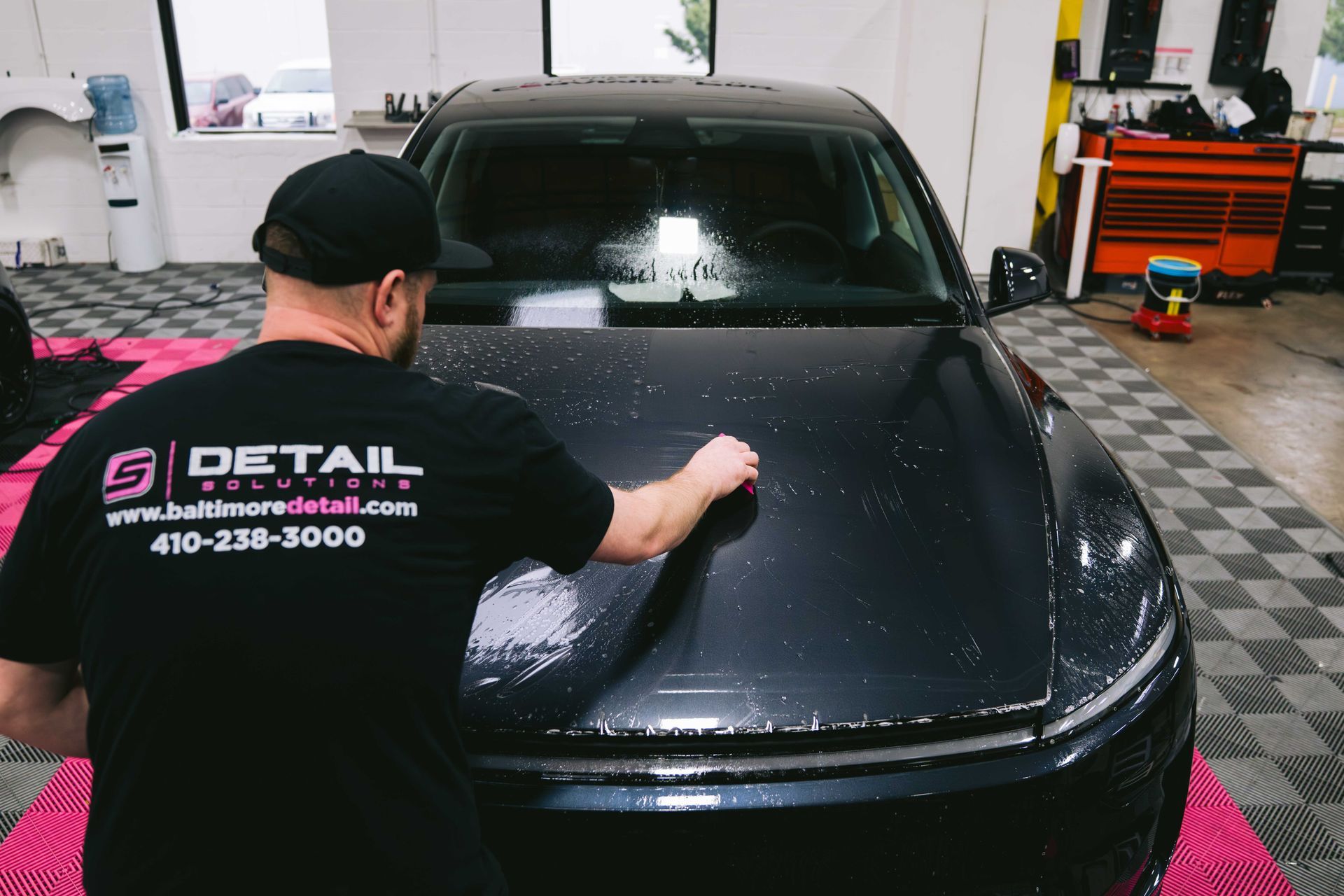
PPF relies on a strong bond between the adhesive layer and your vehicle’s paint surface. If contaminants such as dust, oils, wax residue, or embedded debris remain on the paint, they can interfere with adhesion and create weak points beneath the film.
Without proper preparation, you may experience:
- Air bubbles under the film
- Peeling edges
- Premature lifting
- Uneven appearance
- Reduced durability
- Visible contamination trapped beneath the film
A properly prepared surface allows the film to bond securely and maintain a smooth, nearly invisible finish.
For drivers in Baltimore, Essex, White Marsh, Towson, and surrounding Maryland communities, this process is especially important because local roads expose vehicles to salt, highway debris, pollen, and seasonal weather changes that can impact paint condition over time.
The Professional PPF Surface Preparation Process
At Detail Solutions, every PPF installation begins with a detailed multi-step preparation process designed to create the ideal bonding surface.
Thorough Vehicle Wash
The first step is a deep exterior wash using pH-neutral automotive shampoo. This safely removes dirt, grime, and loose contaminants without damaging the paint or stripping protective layers unnecessarily.
We also use the two-bucket wash method to minimize swirl marks and prevent debris from being reintroduced to the paint surface.
This stage creates a clean starting point before deeper decontamination begins.
Clay Bar Treatment
Even after washing, many contaminants remain embedded in the paint. These particles are often invisible but can still interfere with PPF adhesion.
A clay bar treatment removes:
- Brake dust
- Industrial fallout
- Tree sap
- Road tar
- Environmental contaminants
This process smooths the surface and helps eliminate microscopic debris that could create bumps or imperfections beneath the film.
Chemical Decontamination
Some contaminants require more advanced treatment. Iron removers and specialty decontamination products dissolve stubborn particles lodged deep within the paint surface.
This step is particularly valuable for vehicles exposed to:
- Highway driving
- Winter road salt
- Construction zones
- Industrial areas around Baltimore County
Once chemical decontamination is complete, the surface is thoroughly rinsed and inspected under proper lighting.
Paint Correction and Polishing
One of the biggest misconceptions about PPF is that it hides scratches and swirl marks. In reality, paint defects often remain visible beneath the transparent film.
Before installation, professional paint correction may be necessary to address:
- Swirl marks
- Light scratches
- Oxidation
- Water spots
- Surface haze
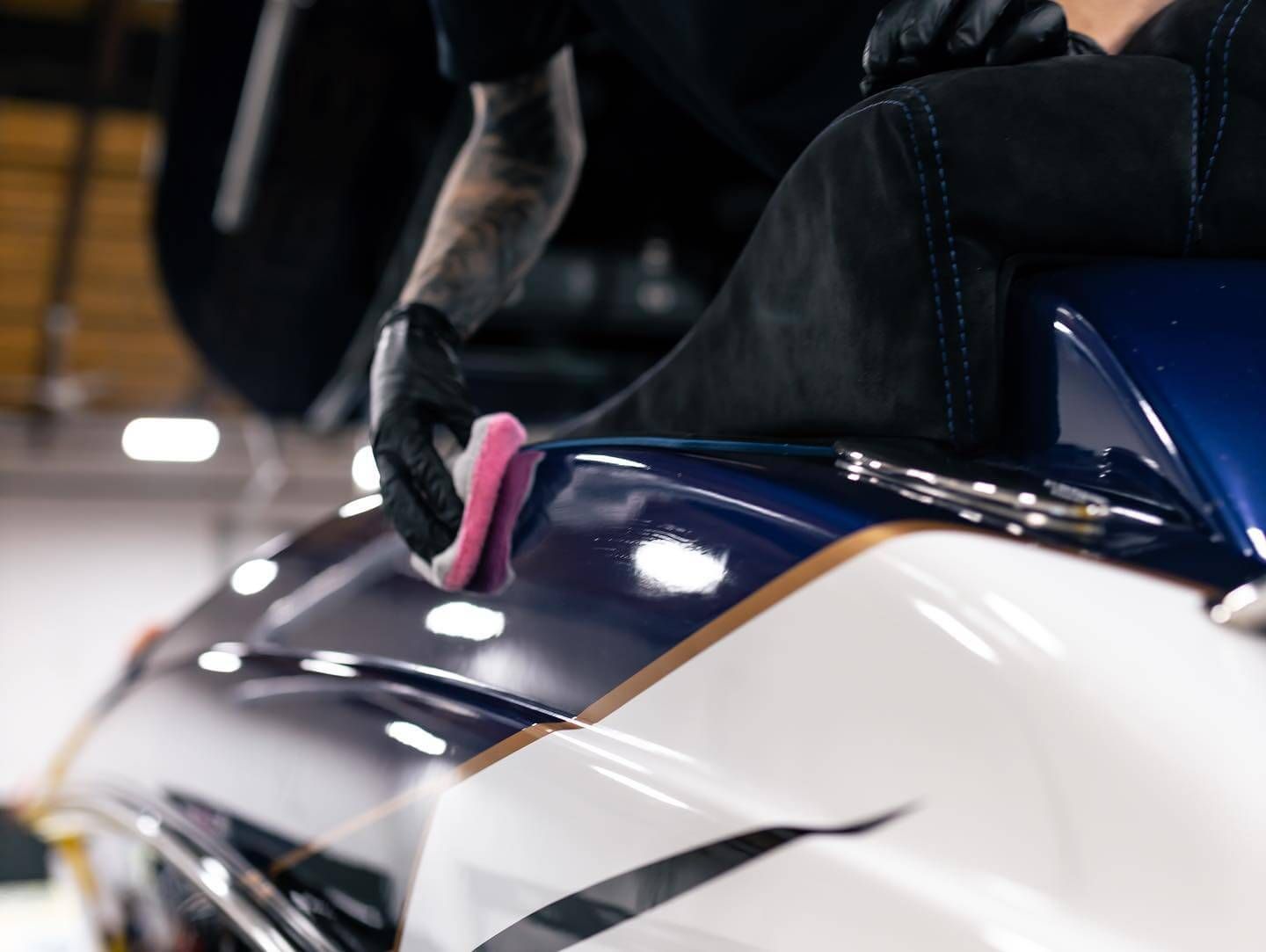
Using machine polishing and specialized compounds, installers restore clarity and smoothness to the paint. This not only improves the final appearance but also helps the film bond more evenly.
Proper polishing creates the glossy, flawless finish most customers expect from premium PPF installation.
Why Proper Prep Improves PPF Longevity
Surface preparation directly affects how long your PPF performs effectively.
When the paint is thoroughly cleaned and corrected:
- Adhesion becomes stronger
- Edges resist lifting
- Film durability improves
- The finish looks smoother
- Long-term maintenance becomes easier
Vehicles with professionally prepared surfaces are less likely to experience premature film failure or cosmetic issues.
For Maryland drivers dealing with changing weather conditions, road debris, and daily commuting, high-quality preparation can significantly extend the lifespan of paint protection film.
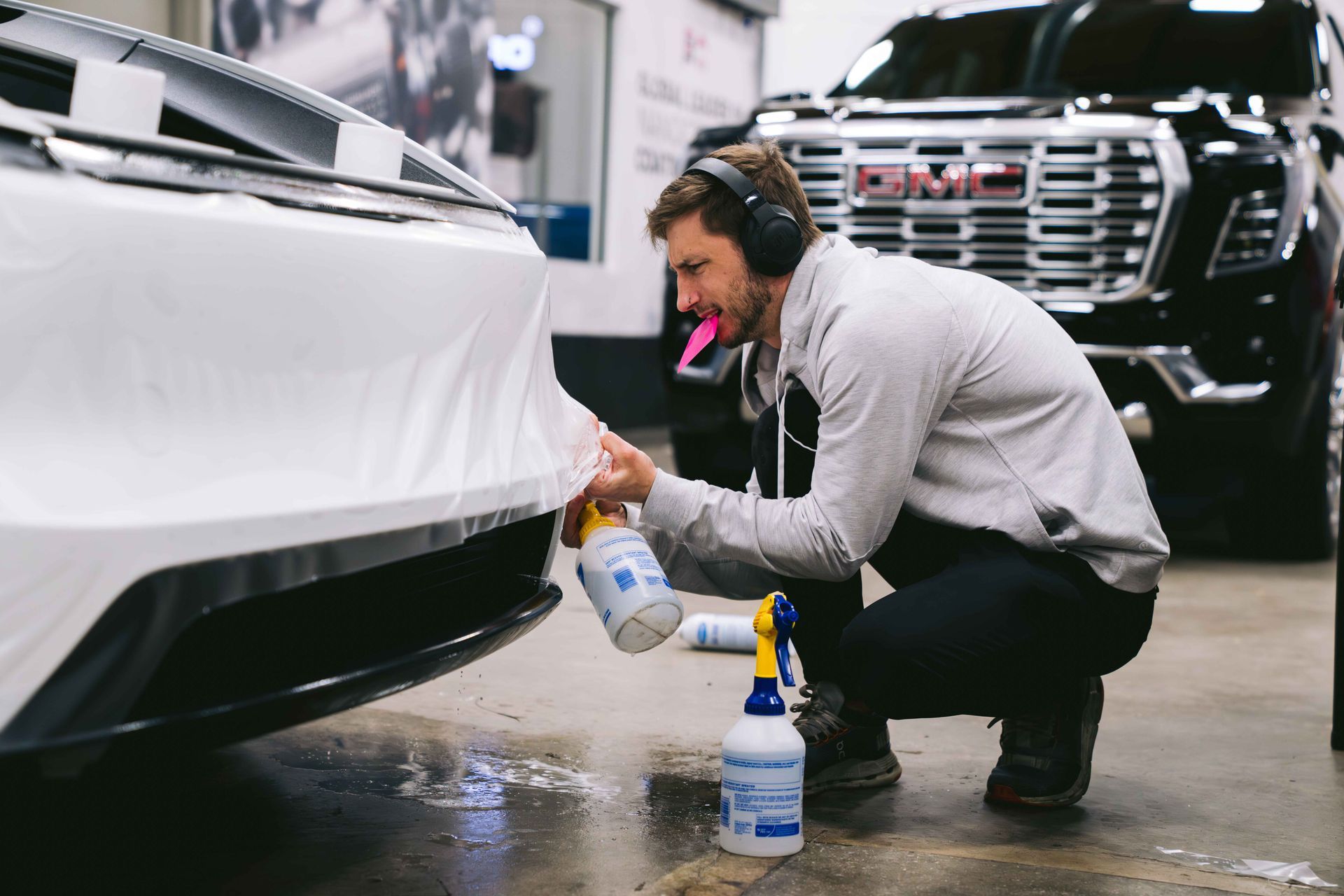
Common Surface Prep Mistakes
Many PPF problems can be traced back to rushed or incomplete preparation work.
Skipping Decontamination
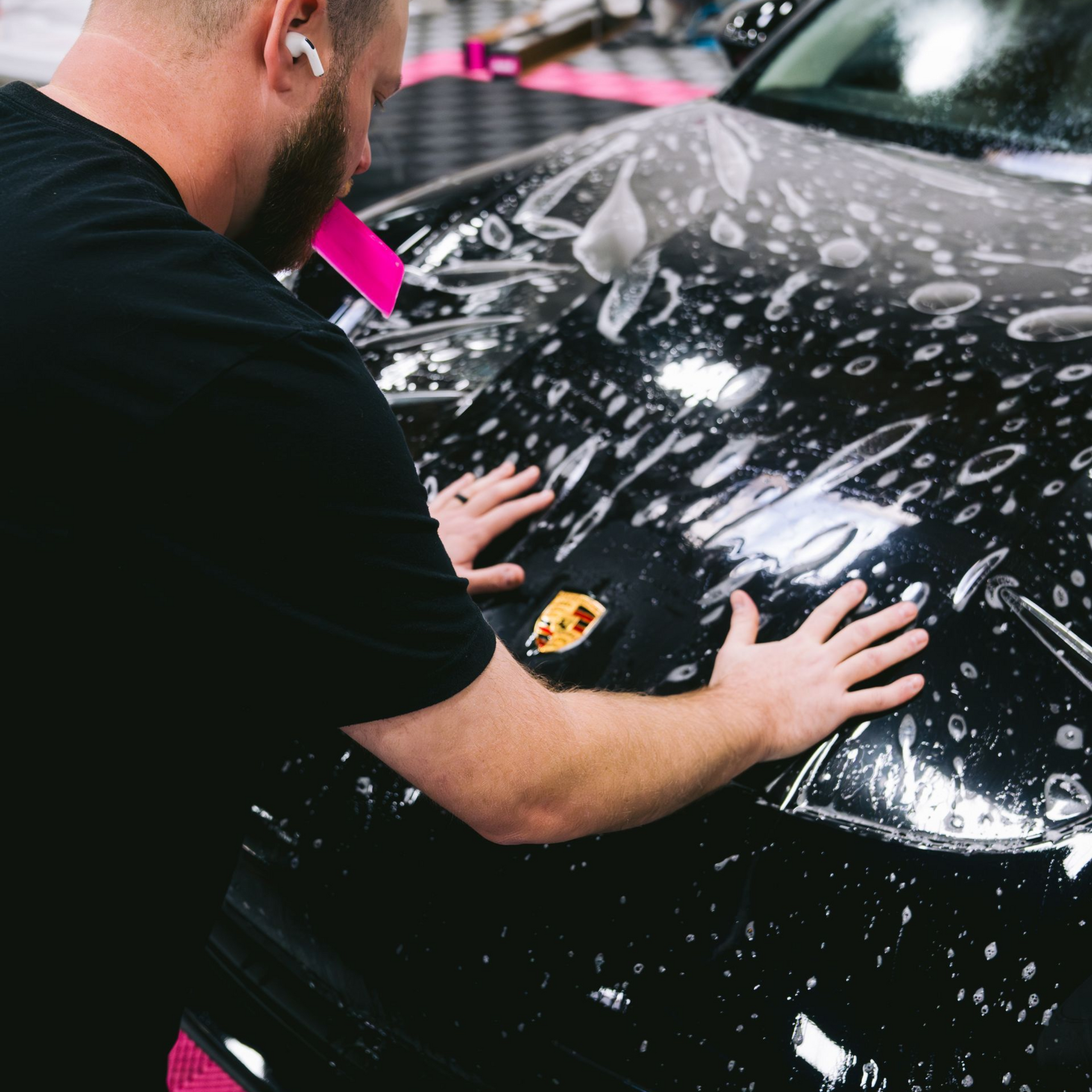
Installing film over contaminants traps debris beneath the surface and weakens adhesion.
Ignoring Paint Correction
Swirl marks and scratches remain visible beneath PPF and can reduce the final appearance.
Using Harsh Cleaning Products
Improper chemicals or abrasive towels can damage the clear coat and create additional imperfections.
Rushing the Process
Professional preparation takes time. Cutting corners during washing, drying, or polishing often leads to installation issues later.
Installing in Improper Temperatures
Extreme heat or cold can affect adhesive performance and curing quality during installation.
At Detail Solutions, we treat preparation as one of the most important stages of the entire process because long-term performance depends on it.
Why Professional Installation Matters
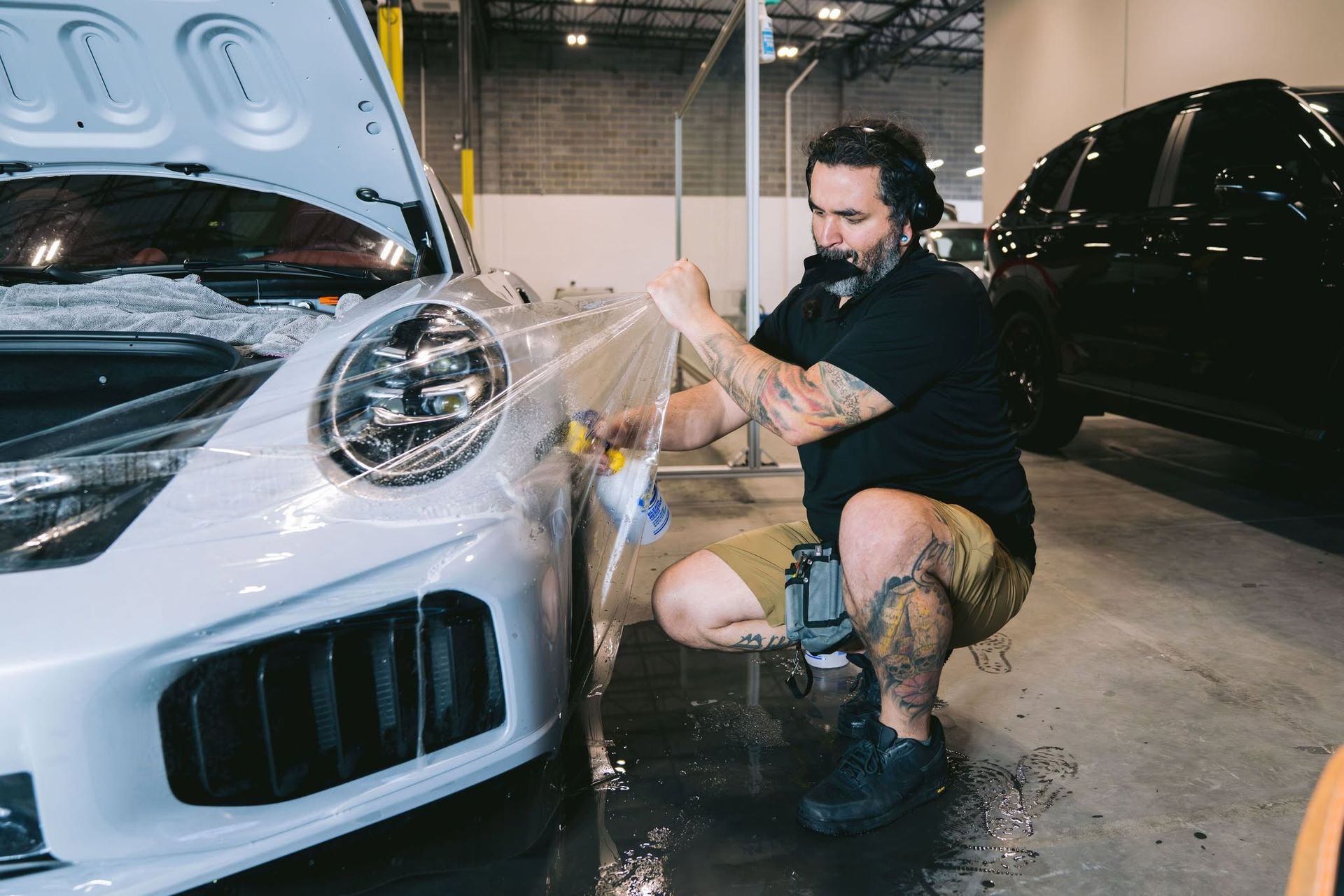
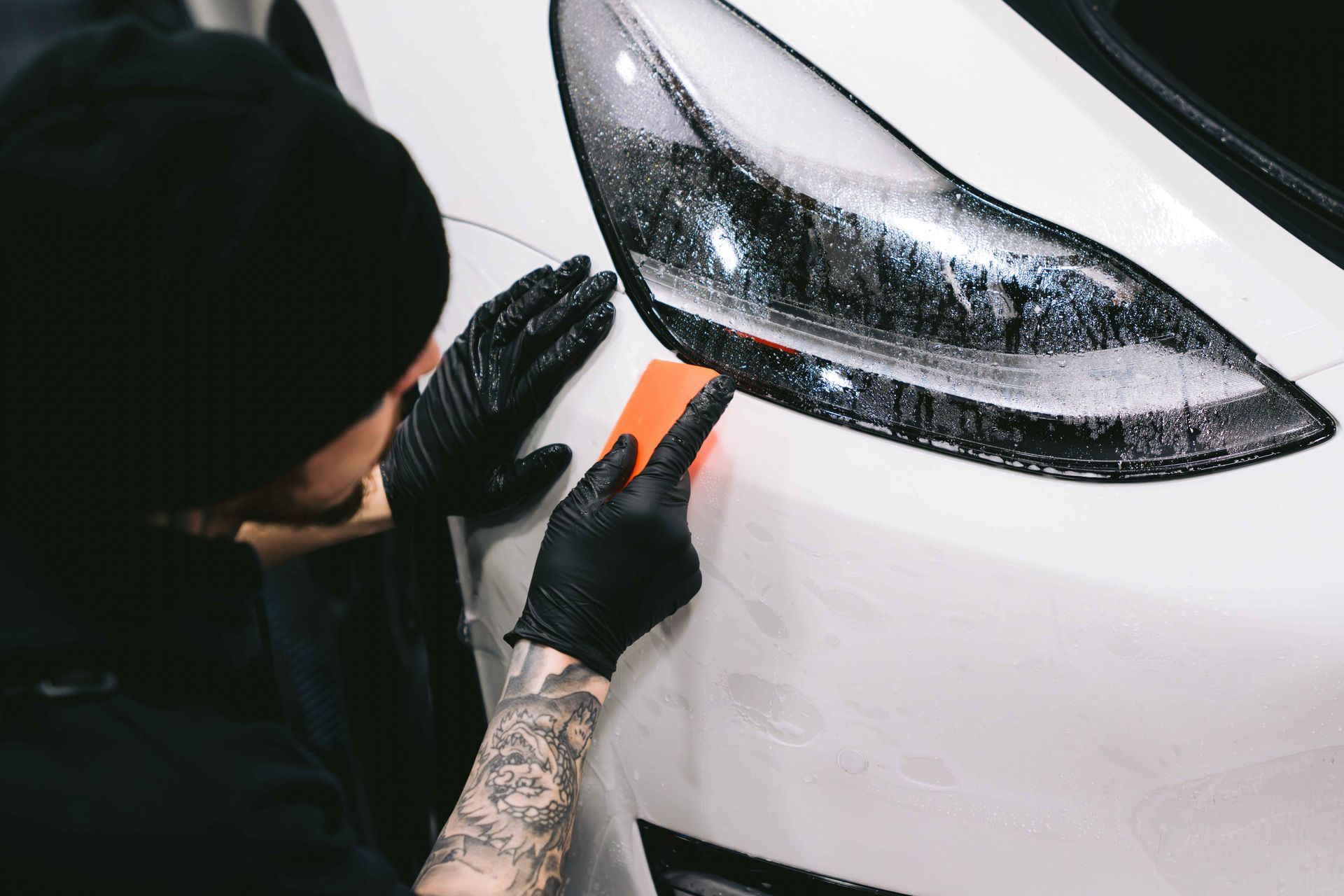
DIY PPF kits have become more common, but proper installation requires far more than applying film to the paint.
Professional installers understand:
- Surface correction techniques
- Proper decontamination methods
- Adhesive behavior
- Environmental conditions
- Precision cutting and fitting
A professionally installed PPF system delivers better appearance, durability, and long-term value.
For customers in Baltimore, Bel Air, Perry Hall, Nottingham, Hunt Valley, and Middle River, working with experienced installers helps protect both your vehicle and your investment.
Pairing PPF with Ceramic Coating and Window Tint
Many drivers combine PPF with ceramic coating and window tinting for complete vehicle protection.
Ceramic coating helps:
- Improve gloss
- Simplify maintenance
- Increase hydrophobic performance
- Protect exposed paint surfaces
Professional window tinting adds:
- UV protection
- Heat reduction
- Interior protection
- Improved comfort and privacy
Color change PPF is also becoming increasingly popular for drivers who want both protection and a customized appearance. Proper surface preparation is especially important for color change PPF because imperfections can become more visible beneath colored films.
Protect Your Vehicle with Professional PPF Installation in Baltimore, MD
A successful PPF installation starts long before the film is applied. Thorough washing, decontamination, paint correction, and polishing all play a critical role in achieving long-lasting results.
At Detail Solutions, we take pride in delivering professional paint protection film installation for drivers throughout Baltimore, MD, and surrounding areas. Our team uses advanced preparation techniques to ensure every installation looks clean, performs properly, and stands the test of time.
Whether you're interested in full-body PPF, ceramic coating, window tinting, or color change PPF, we’re here to help protect your vehicle with high-quality service and attention to detail.
Contact Detail Solutions today to schedule your consultation and learn more about our professional vehicle protection services.