Which Parts of Your Car Need PPF for Highway Driving?
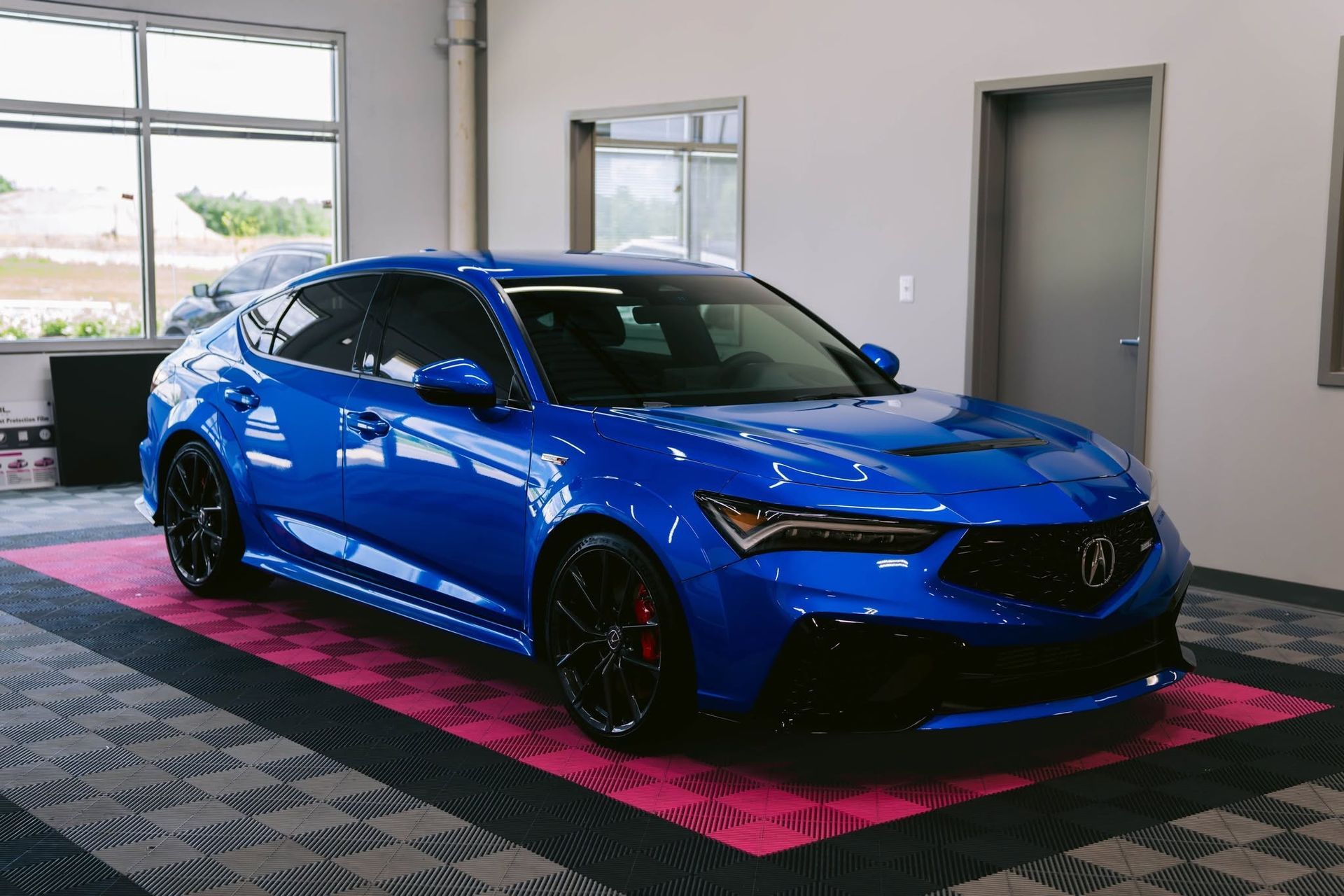
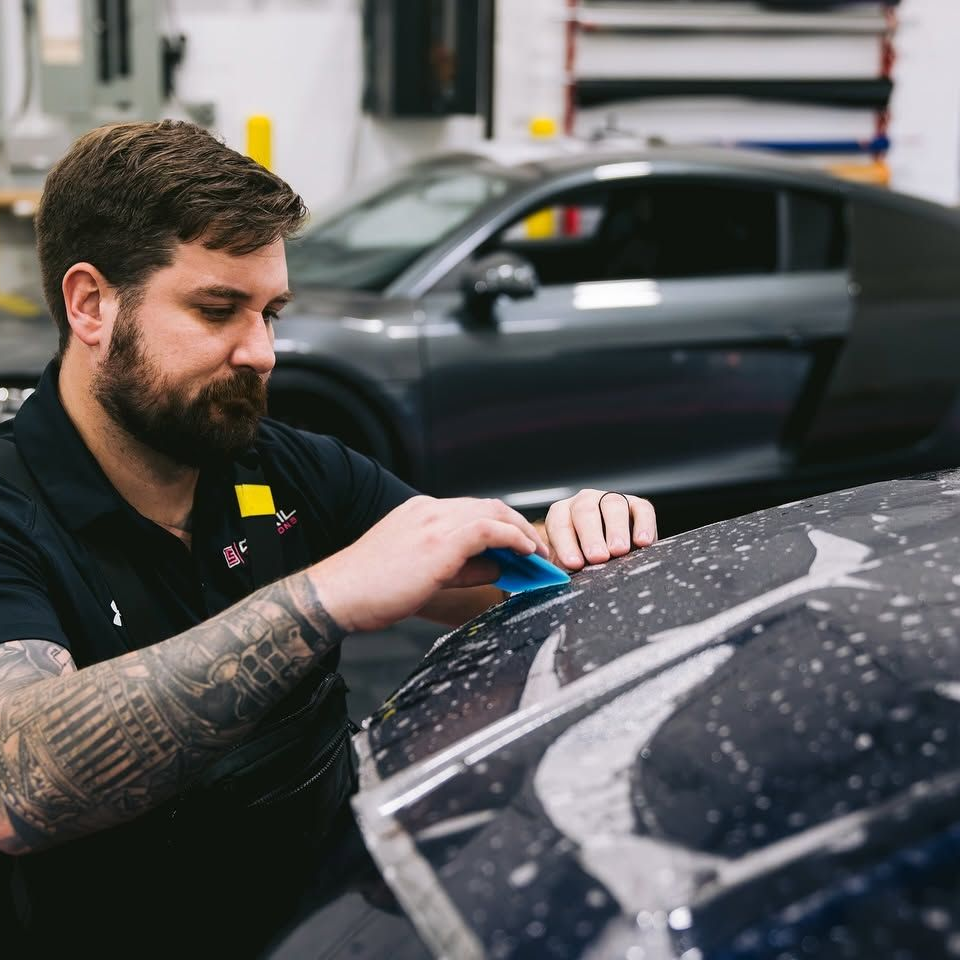
For highway driving, the front bumper, hood, front fenders, side mirrors, and headlights are the most important areas to protect with paint protection film (PPF). These surfaces face repeated exposure to gravel, road debris, and other hazards. Drivers traveling on I-95, I-695, or I-83 around Baltimore, Maryland, may also benefit from protecting their rocker panels and lower doors.
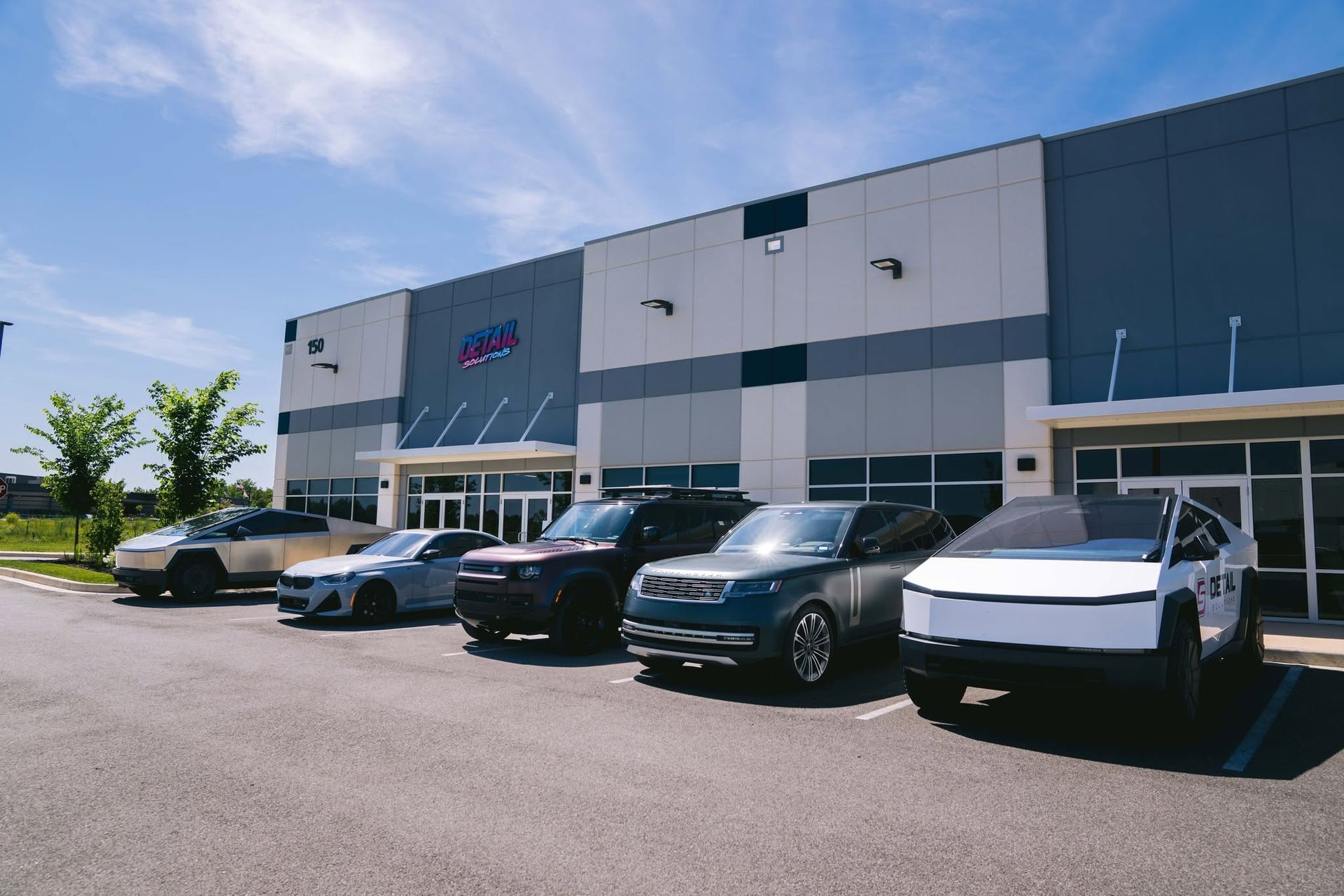
At Detail Solutions, we help Baltimore-area drivers choose PPF coverage based on their vehicles, driving habits, and protection priorities. Understanding which panels face the greatest exposure can help you select the right coverage without unnecessary expenses.
Why Do the Front Bumper and Hood Need PPF?
The front bumper and hood are among the most exposed areas during highway driving. As vehicles travel at higher speeds, loose gravel, small stones, and other debris can strike painted surfaces, leaving visible chips and surface defects.
The front bumper is particularly vulnerable because of its low position and forward-facing design. Debris thrown by nearby vehicles can strike the bumper repeatedly, especially during daily commutes or highway construction.
The hood faces similar risks, particularly along its leading edge. Small stones can damage the clear coat and underlying paint, affecting the vehicle's appearance over time.
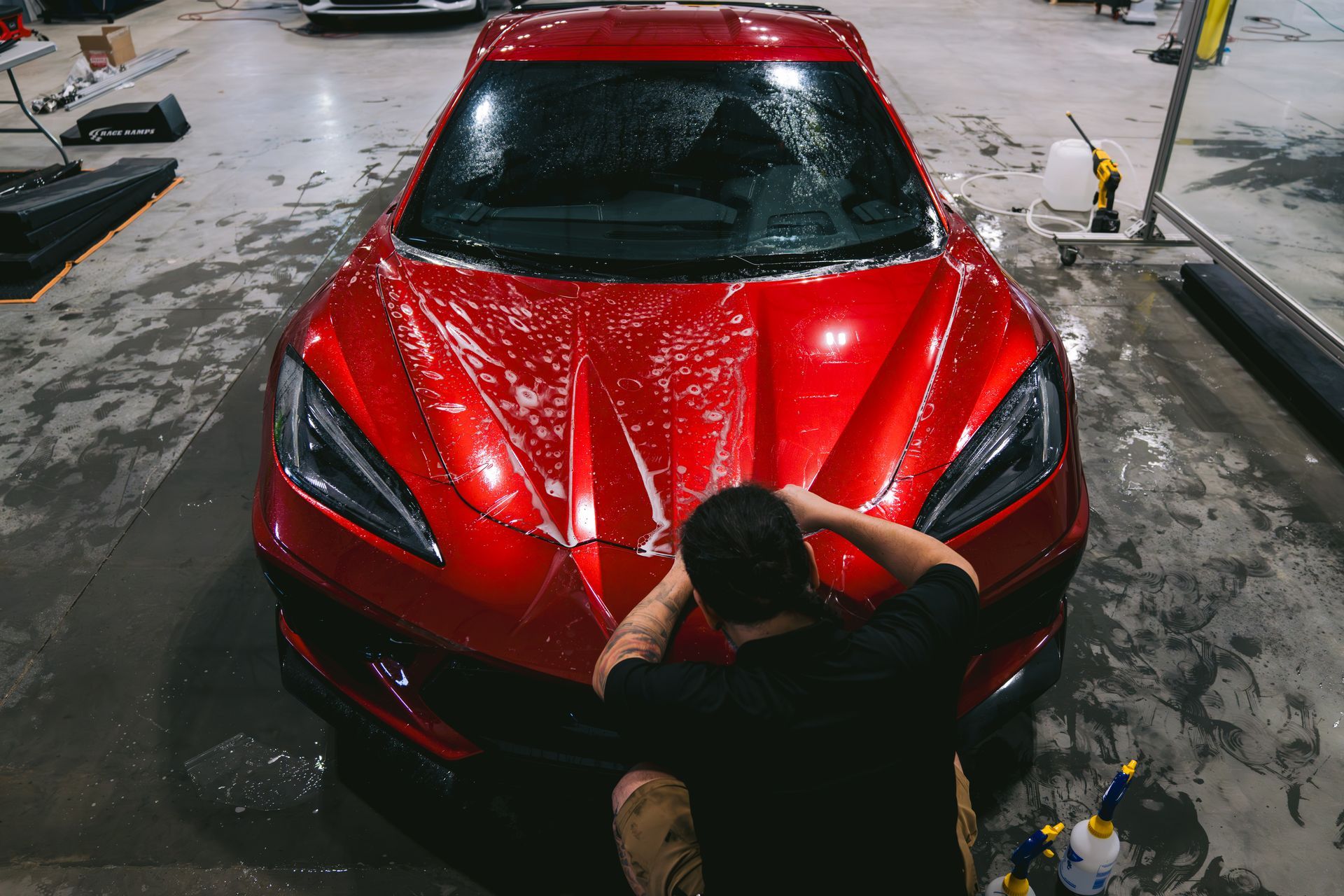
Installing PPF on these panels creates a protective barrier that helps absorb minor impacts before they reach the paint. For frequent commuters, protecting both the bumper and hood can help preserve the factory finish and reduce visible wear.
Should You Protect Side Mirrors and Front Fenders?
Side mirrors and front fenders are additional high-impact areas that deserve attention.
Side mirrors extend outward from the vehicle, making their housings vulnerable to airborne gravel, insects, and road debris. Their curved surfaces can also make paint chips particularly noticeable.
Front fenders sit behind the bumper and alongside the hood. They encounter debris from surrounding traffic and particles thrown from the vehicle's tires.
Headlights are another consideration. Gravel and sand can cause pitting and surface deterioration over time. Compatible protective film may help reduce this damage, although coverage depends on the vehicle and applicable film requirements.
Detail Solutions offers professional paint protection film services in Baltimore, helping drivers select coverage for these exposed areas.
Do Rocker Panels and Lower Doors Need PPF?
Rocker panels and lower doors are frequently overlooked when selecting PPF coverage.
These surfaces sit close to the road, where tires can throw gravel, dirt, and other particles against the vehicle. Trucks, SUVs, and performance vehicles with wider tires may experience additional exposure along their lower body panels.
Maryland's winter driving conditions introduce further concerns. Road salt, deicing materials, and accumulated grime can contribute to surface deterioration when vehicles are not cleaned regularly.
PPF can help protect rocker panels and lower doors against minor impacts and abrasion.
Door edges and handle cups also benefit from targeted protection. Door edges can contact nearby objects in tight parking spaces, while handle cups experience repeated contact from fingernails, rings, and keys.
Although these areas are smaller, protecting them can help maintain a cleaner exterior appearance.
How Much PPF Coverage Do Highway Drivers Need?
The appropriate level of PPF coverage depends on your driving frequency, vehicle type, budget, and ownership plans.
For occasional highway drivers, protecting the front bumper and selected hood areas may be sufficient.
Daily commuters traveling between Perry Hall, Towson, Bel Air, and Baltimore may prefer full-front coverage because their vehicles experience repeated highway exposure.
Full-front packages generally address the bumper, hood, front fenders, and other exposed front-end components. However, exact coverage varies by package and vehicle.
Drivers who regularly encounter loose gravel or tire spray may benefit from additional rocker panel and lower-door protection.
Detail Solutions offers several coverage options, including Front Bumper, Partial Front, Full Front End, Track Pack, and Full Body Coverage.
Full-body protection may appeal to owners of luxury vehicles, long-term daily drivers, or vehicles where maintaining the original finish is a priority.
Choosing the right package involves balancing protection needs against installation costs.
What Should You Expect From PPF Installation and Care?
Professional installation begins with evaluating the vehicle's paint condition and identifying areas requiring preparation.
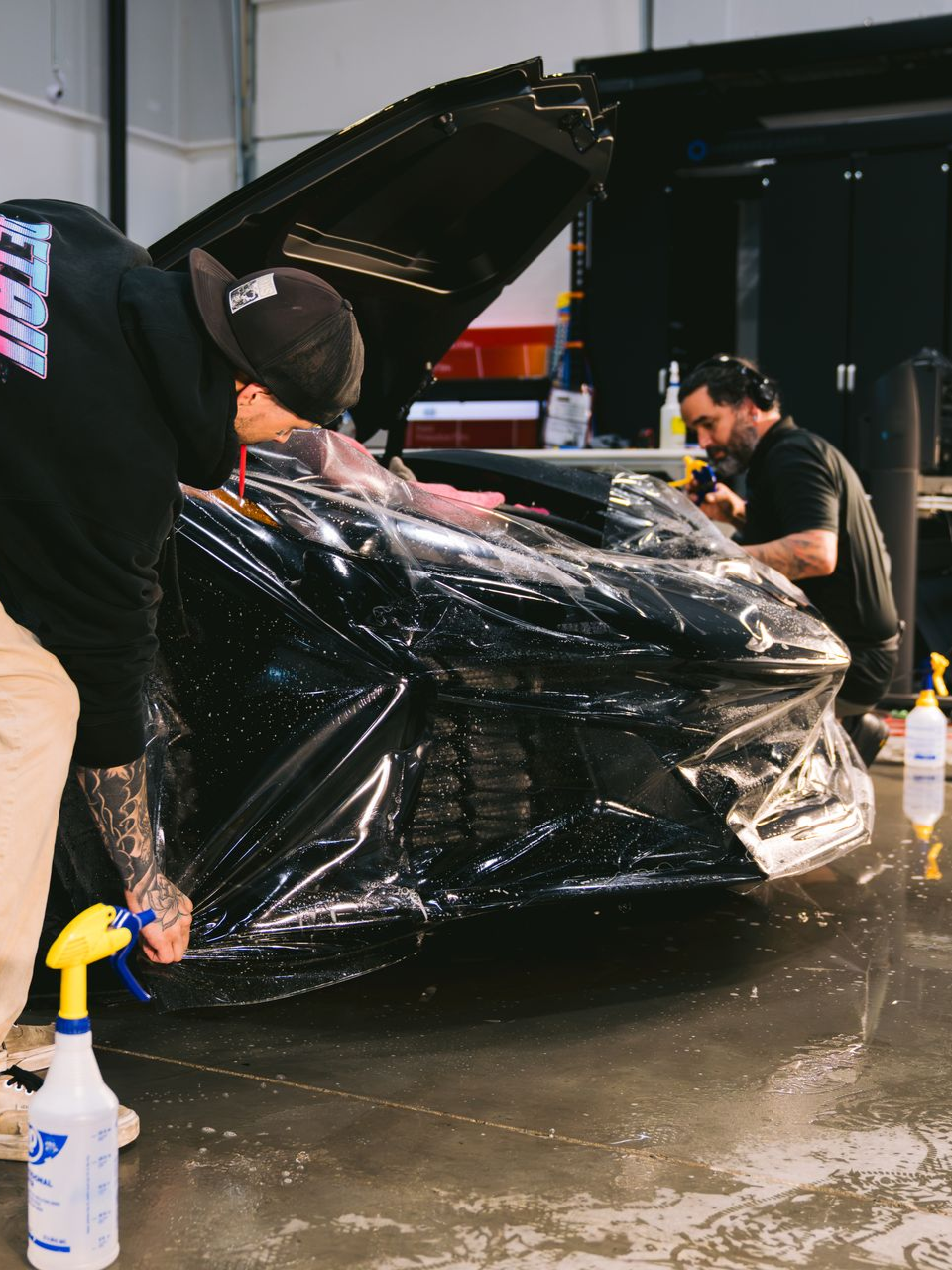
At Detail Solutions, the process includes washing, decontamination, surface inspection, and paint correction when needed. Proper preparation helps the film adhere correctly while reducing visible imperfections beneath the material.
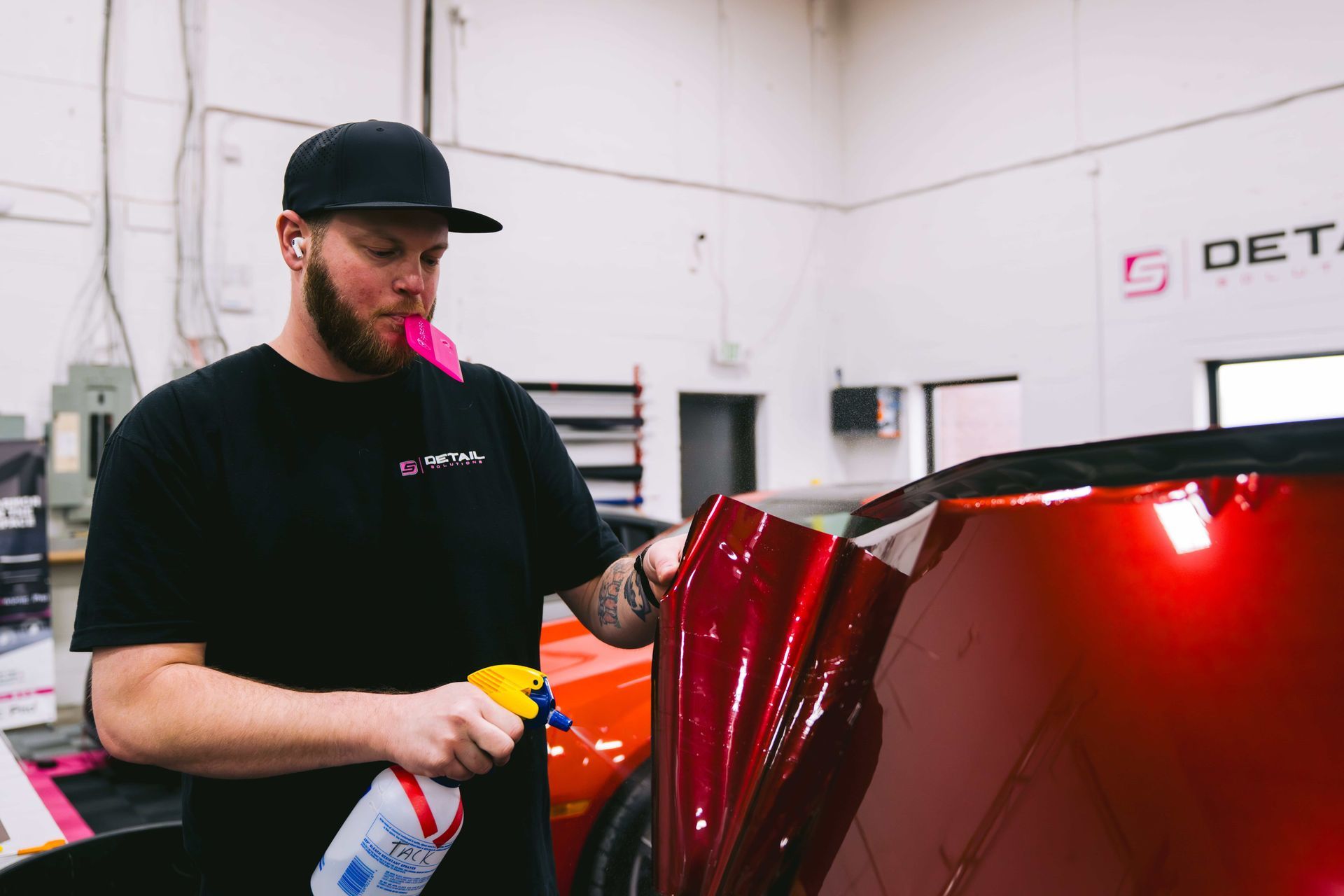
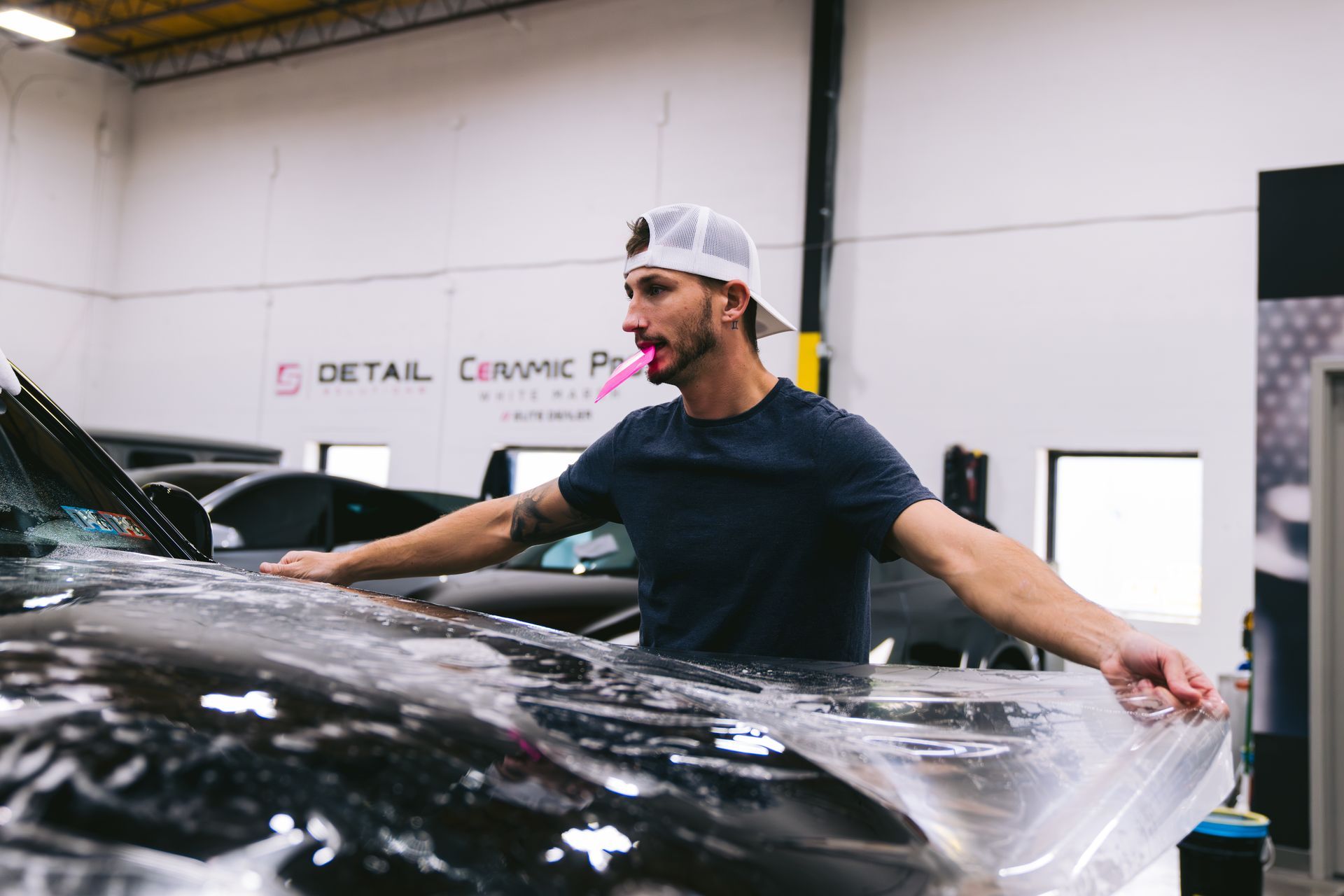
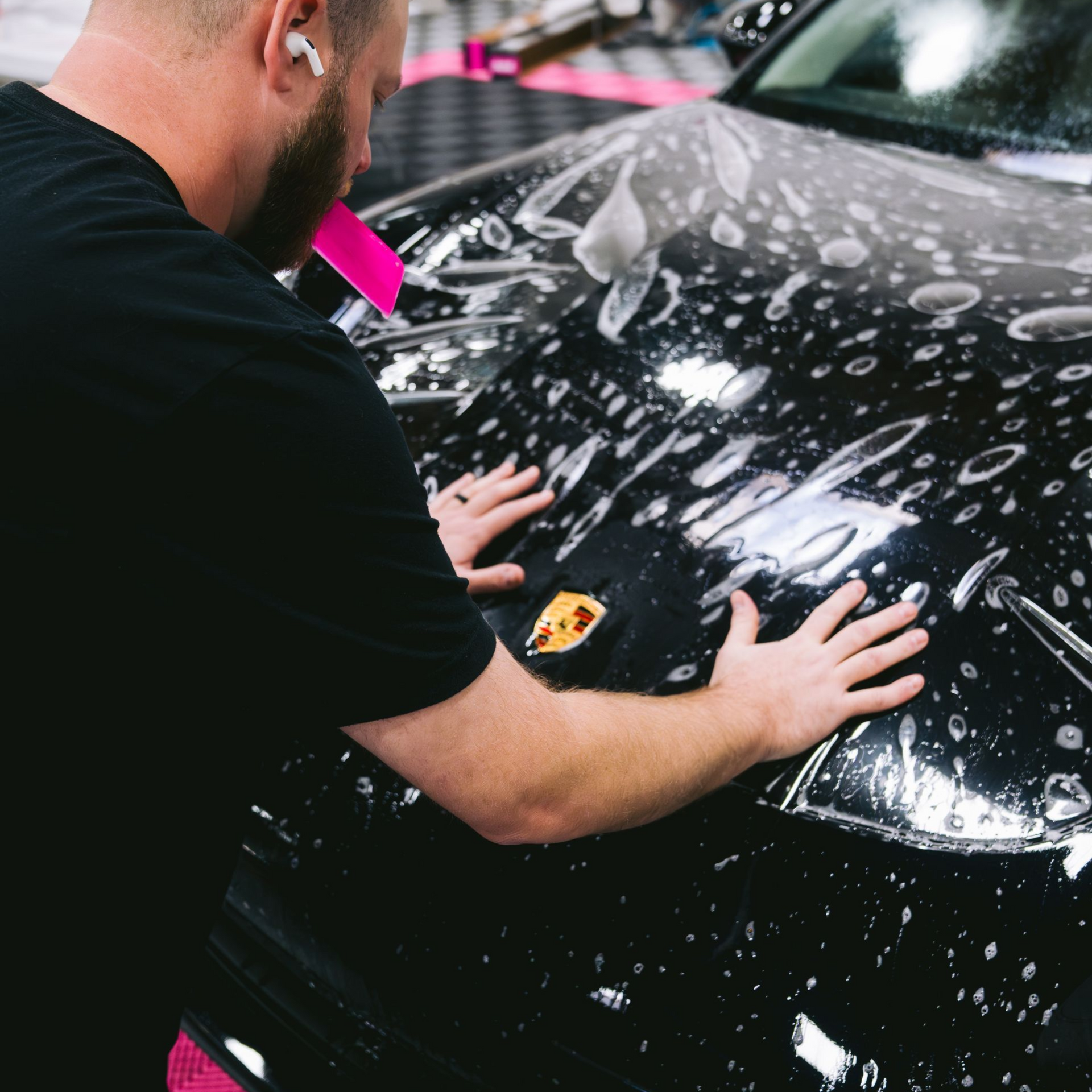
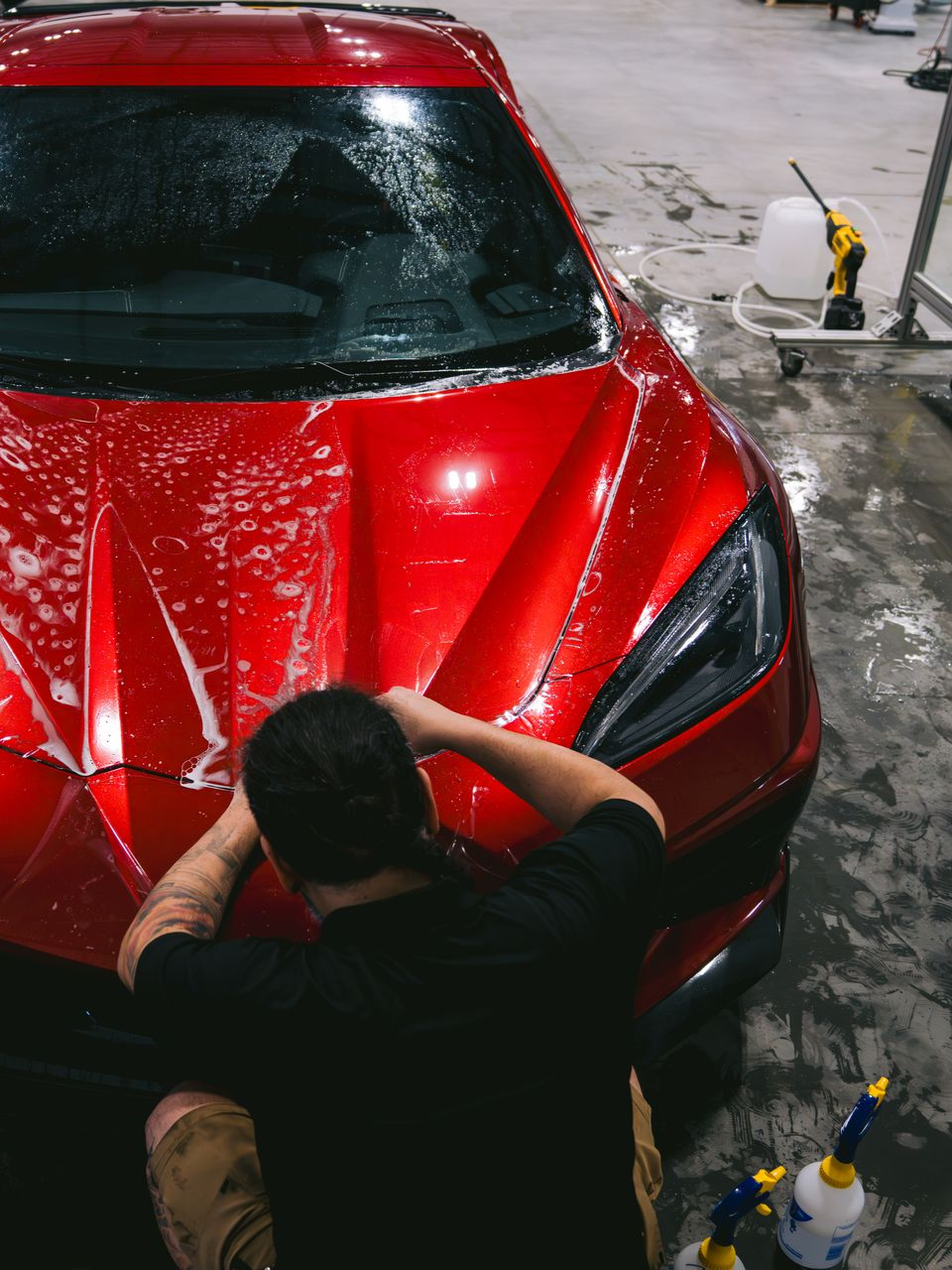
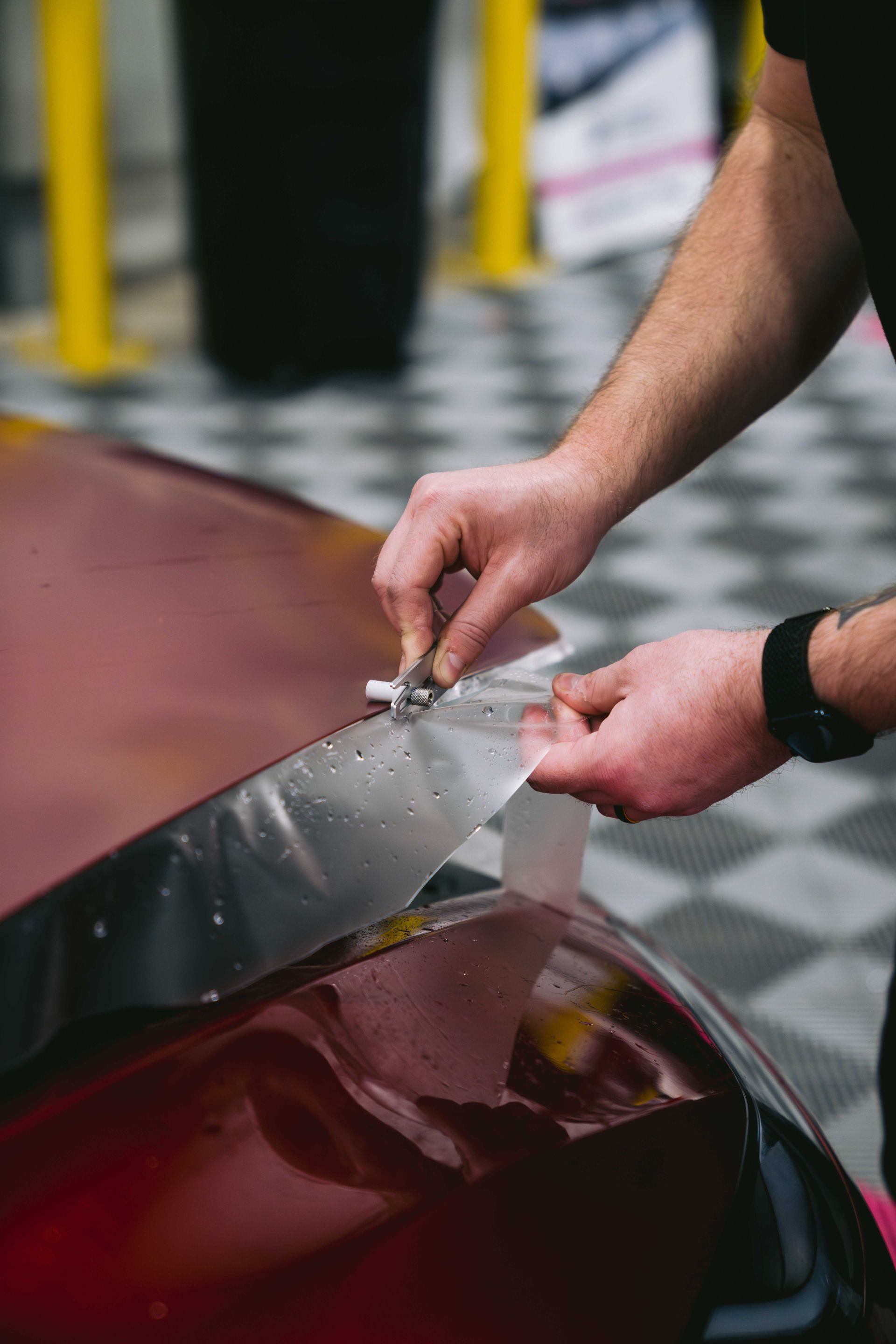
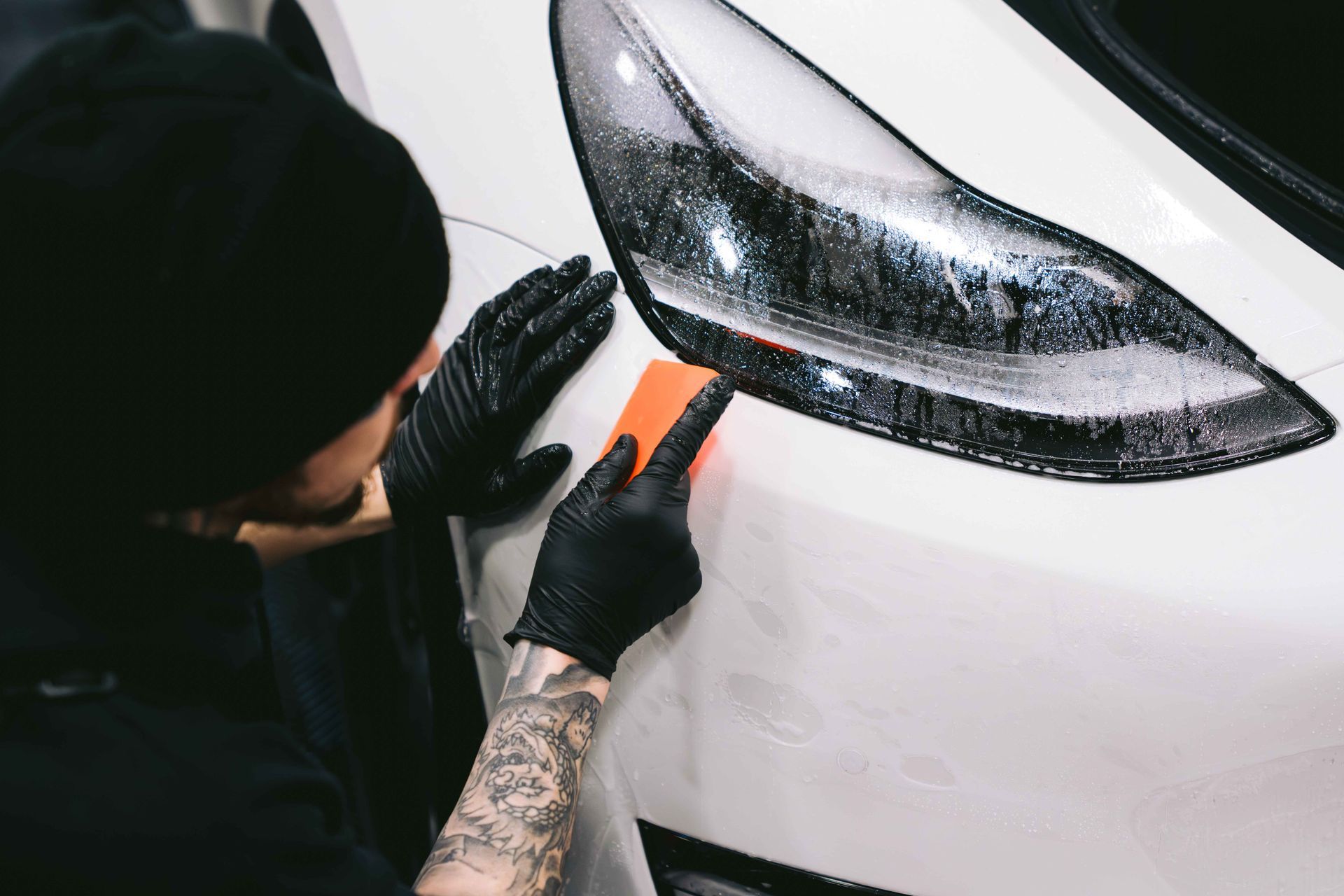
The film is then fitted to the selected panels, positioned using an installation solution, and carefully finished to reduce trapped moisture and alignment issues.
Detail Solutions installs LLumar paint protection film. Drivers can explore the available LLumar PPF options when comparing finishes and protection characteristics.
Starting prices vary by coverage package and vehicle size. A personalized estimate helps clarify the included panels and expected installation requirements.
After installation, regular maintenance remains important. Wash the vehicle using suitable automotive cleaning products, avoid harsh chemicals, and follow the installer's curing recommendations.
Some self-healing films can reduce the appearance of minor surface marks when exposed to sufficient warmth. However, deep cuts and severe impact damage do not automatically repair themselves.
What Are the Limitations of Paint Protection Film?
PPF provides a protective barrier against many common road hazards, but it cannot prevent every type of damage.
Large stones, severe impacts, and sharp objects may penetrate or damage the film. Existing paint defects can also remain visible beneath transparent PPF, making proper surface preparation important.
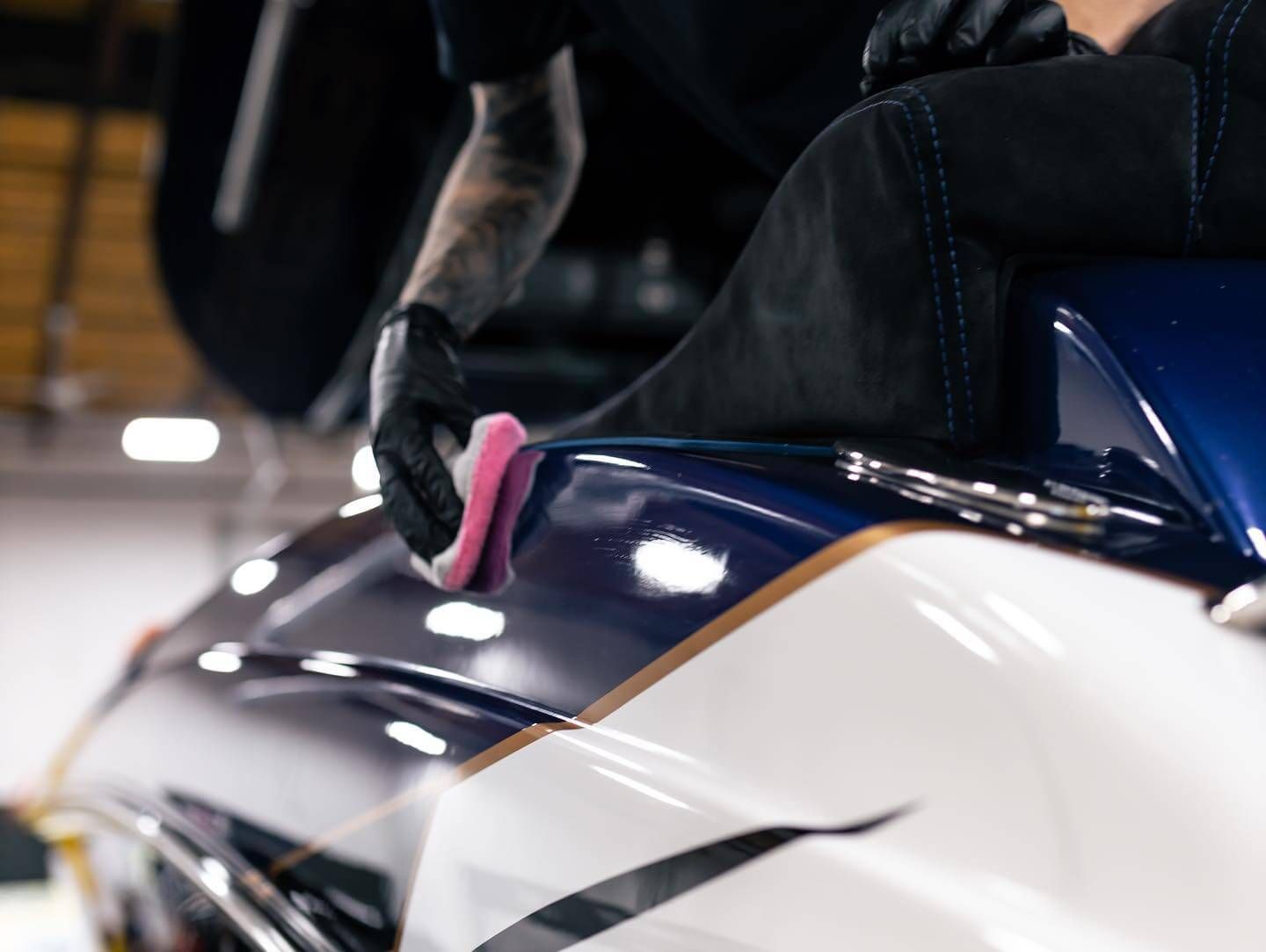
PPF and ceramic coating serve different purposes. PPF primarily helps reduce physical paint damage, while ceramic coating improves surface slickness, water resistance, and cleaning convenience.
Combining PPF with ceramic coating may provide complementary benefits for vehicles exposed to frequent highway driving.
However, full-body PPF is not necessary for every owner. Vehicles with existing paint damage, limited highway use, or shorter ownership plans may benefit from more targeted protection.
Frequently Asked Questions About PPF for Highway Driving
Which car parts are most vulnerable to highway debris?
The front bumper, hood, front fenders, side mirrors, and headlights experience significant exposure to gravel and airborne debris.
What does full-front PPF usually cover?
Full-front packages typically cover the bumper, hood, and front fenders. Mirror and headlight coverage varies, so confirm the included panels before installation.
Should highway commuters protect their rocker panels?
Yes, especially when driving vehicles that experience frequent tire spray or traveling on roads with loose gravel.
Are door edges and handle cups worth protecting?
These areas benefit from targeted film because frequent contact can cause visible paint wear and minor surface damage.
Can ceramic coating replace PPF for highway driving?
No. Ceramic coating can simplify cleaning and improve surface properties, but it does not provide the same physical impact protection as PPF.
Protect Your Vehicle With Professional PPF in Baltimore, MD
Highway driving exposes your vehicle to repeated contact with gravel, road debris, and seasonal contaminants. Protecting the front bumper, hood, fenders, mirrors, and other vulnerable panels can help maintain your vehicle's finish.
At Detail Solutions, we provide professional PPF installation for drivers throughout Baltimore, White Marsh, Essex, Perry Hall, Towson, Bel Air, and surrounding Maryland communities.
Contact Detail Solutions or call
(410) 238-3000 to discuss your vehicle and request a personalized paint protection film quote.