DIY Ceramic Coatings for Your Vehicle: Is It Worth the Risk?
Ceramic coatings are one of the most popular ways to protect your vehicle’s paint, improve gloss, and make routine washing easier. For many vehicle owners, the idea of applying a DIY ceramic coating is appealing. The kits are affordable, easy to find, and promise professional-looking results without the cost of a shop visit.
However, ceramic coating is not as simple as wiping a product onto your paint and letting it dry. The final result depends on proper washing, decontamination, polishing, application technique, and curing time. If any step is rushed or skipped, the coating may bond unevenly, trap contaminants, or leave behind streaks and high spots.
For drivers in Baltimore, Essex, Towson, Bel Air, White Marsh, Owings Mills, Perry Hall, Nottingham, Hunt Valley, Middle River, and Fallston, professional vehicle protection can be especially valuable. Maryland roads, seasonal grime, road salt, UV exposure, pollen, bird droppings, and daily commuting can all take a toll on your vehicle’s exterior. Before choosing a DIY ceramic coating kit, it helps to understand the risks, costs, and when professional ceramic coating may be the smarter choice.
Why DIY Ceramic Coatings Appeal to Vehicle Owners
DIY ceramic coatings attract vehicle owners for a few understandable reasons. The upfront cost is lower, the project can feel rewarding, and many owners enjoy taking a hands-on approach to vehicle care. A DIY kit also gives you flexibility because you can work on your own schedule instead of booking an appointment with a shop.
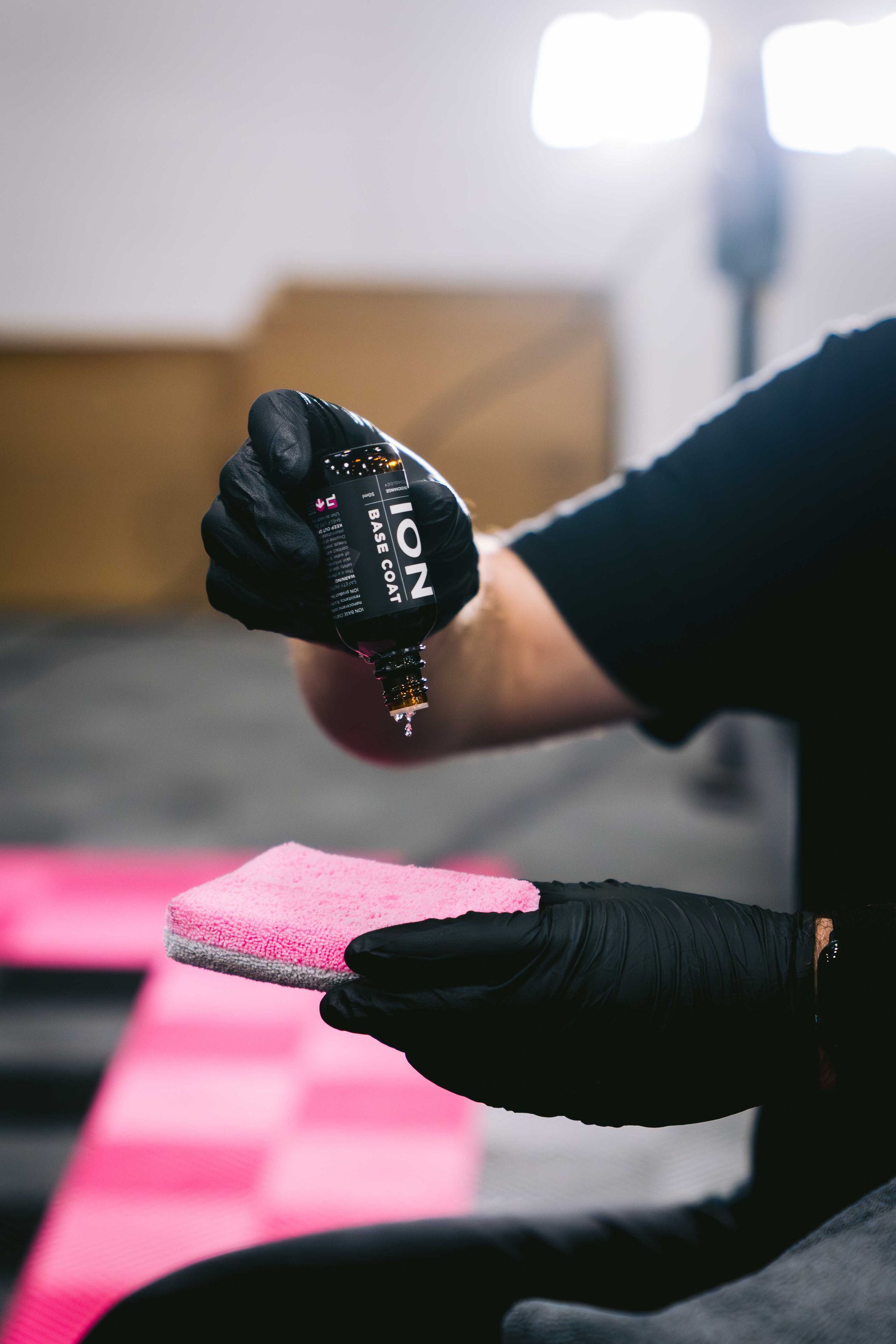
DIY ceramic coating kits can offer some level of paint protection when applied correctly. At a basic level, ceramic coatings bond to the vehicle’s clear coat and create a protective layer that helps resist UV rays, chemical stains, oxidation, light grime, and water spots. The hydrophobic effect also helps water bead off the surface, which can make the vehicle easier to clean.
The challenge is that the coating is only as good as the preparation and application behind it. Surface preparation often takes several hours and may include washing, clay bar treatment, chemical decontamination, polishing, and an isopropyl alcohol wipe-down. Skipping these steps can leave dirt, oils, old wax, or embedded contaminants beneath the coating.
A realistic DIY timeline can run 6 to 9 hours or longer, especially for beginners. If you do not have a clean workspace, proper lighting, quality towels, polishing tools, and enough patience to work panel by panel, the result may not match what you expected.
Common Risks of DIY Ceramic Coating
The biggest risk with DIY ceramic coating is poor surface preparation. Your paint may look clean after a wash, but microscopic contaminants can still remain on the surface. When those contaminants are sealed beneath a coating, they can create rough texture, uneven gloss, or weak bonding.
Application mistakes are also common. Too much product, uneven wiping, missed spots, or waiting too long before buffing can create high spots, hazing, or streaks. These flaws can be difficult to correct once the coating begins to cure.
Environmental control matters too. Dust, humidity, direct sunlight, and temperature swings can all affect the application and curing process. A driveway or home garage may not offer the same controlled setting as a professional detailing environment.
Curing is another step that many DIY jobs underestimate. Most coatings need at least 24 hours away from water and dust, and some require several days before washing or heavy moisture exposure. If the coating gets wet too soon, it may become cloudy, uneven, or less durable.
When a DIY coating fails, fixing it can require polishing or coating removal. That means more time, more product, and potentially more cost than expected. In some cases, a professional correction may be needed to restore the finish.
DIY Ceramic Coating Cost vs. Professional Application
DIY ceramic coating kits usually cost between $50 and $200. Professional ceramic coating services often start around $700 and can exceed $1,800 depending on vehicle size, paint condition, prep needs, coating system, and warranty coverage.
At first, DIY looks like the more affordable option. However, the long-term value depends on how well the coating performs and how soon it needs to be redone.
| Cost Factor | DIY Ceramic Coating | Professional Ceramic Coating |
|---|---|---|
| Initial Cost | Usually $50 to $200 | Often $700 to $1,800+ |
| Surface Prep | Owner’s responsibility | Professionally handled |
| Paint Correction | Not usually included | Often included or recommended |
| Warranty | Rare | Often available |
| Typical Durability | Often under 1 to 3 years | Often 3 to 7+ years |
| Risk of Reapplication | Higher | Lower |
| Finish Consistency | Can vary | More even and controlled |
DIY coatings may save money upfront, but the savings can shrink if the coating fails early or needs to be reapplied. A professional service includes more than the coating itself. You are also paying for experience, controlled application, proper paint preparation, product knowledge, and consistent results.
For many vehicle owners, especially those with newer cars, luxury vehicles, daily drivers, or vehicles they plan to keep long term, professional ceramic coating may be the more cost-effective option over time.
DIY vs. Professional Ceramic Coating Kits
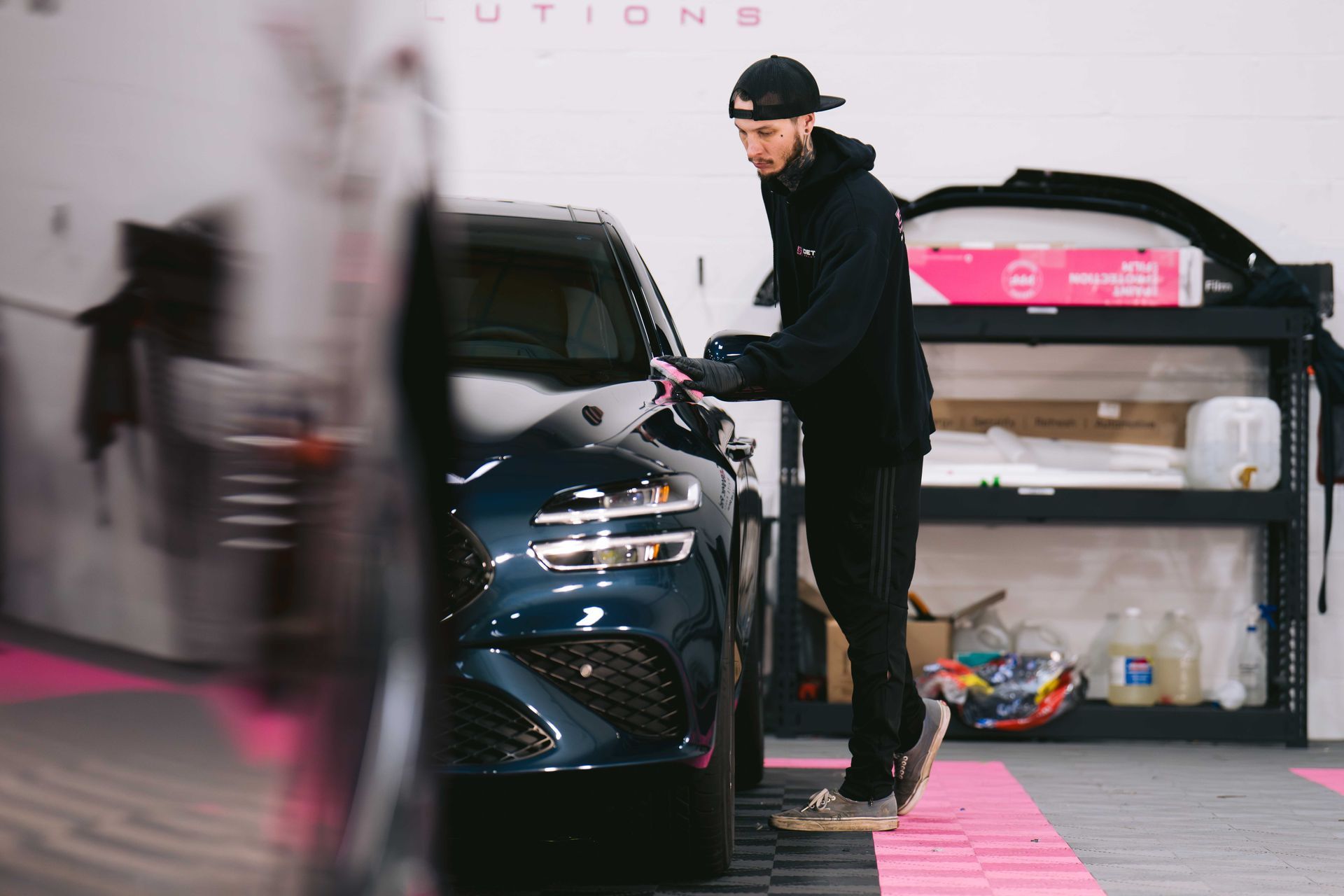
Not all ceramic coatings are the same. Professional-grade coatings often contain stronger formulas and are designed to last longer when applied by trained installers. Many professional systems also require specific prep work, environmental conditions, and curing procedures to perform as intended.
DIY products can still provide value, but they tend to be more forgiving and less durable. Entry-level sprays are easier to apply, but they may not offer the same depth of gloss, chemical resistance, or long-term protection as a professional coating. More advanced DIY kits can perform better, but they also require more skill and precision.
| Feature | Professional Ceramic Coating | DIY Ceramic Coating |
|---|---|---|
| Application Skill | High | Moderate to high |
| Surface Prep | Extensive | Basic to moderate |
| Curing Environment | Controlled | Often uncontrolled |
| Durability | Longer lasting | Usually shorter lasting |
| Finish Quality | More consistent | Depends on skill |
| Best For | Long-term protection | Budget-conscious DIY projects |
If your goal is maximum gloss, durability, and peace of mind, a professional ceramic coating is usually the safer choice. If your goal is to learn, experiment, and add short-term protection, a DIY kit can be reasonable as long as you follow the instructions carefully.
Essential Steps for a Successful Ceramic Coating
A successful ceramic coating starts with a thorough wash using automotive-safe products. After washing, the surface should be decontaminated with a clay bar or chemical decontaminant to remove particles that normal washing cannot reach.
Polishing is often the most important step. It removes swirl marks, light scratches, oxidation, and surface defects before the coating is applied. If these flaws are not corrected first, they may be sealed beneath the coating and remain visible.
After polishing, the paint should be wiped down with an isopropyl alcohol solution to remove leftover oils or residue. This helps the coating bond properly.
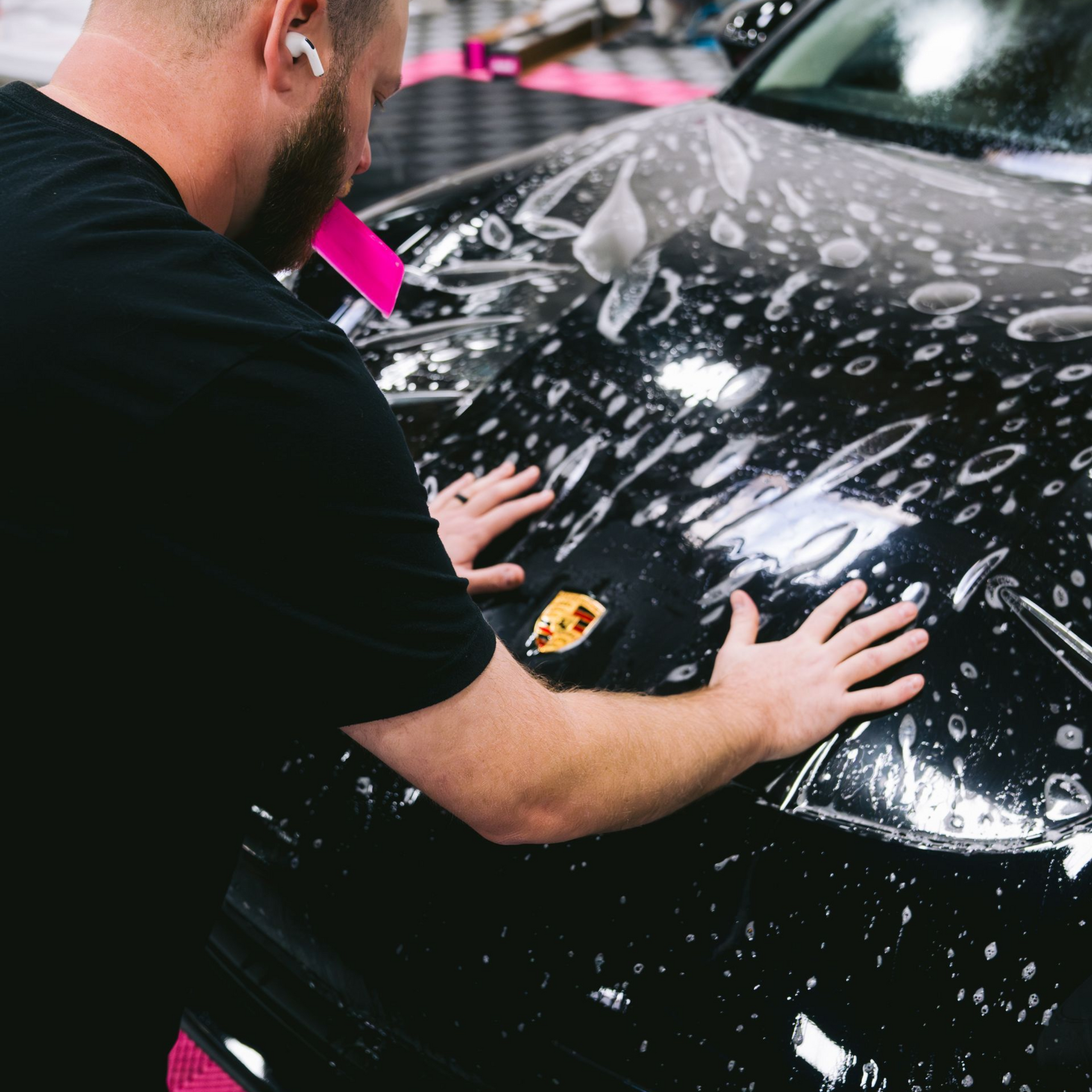
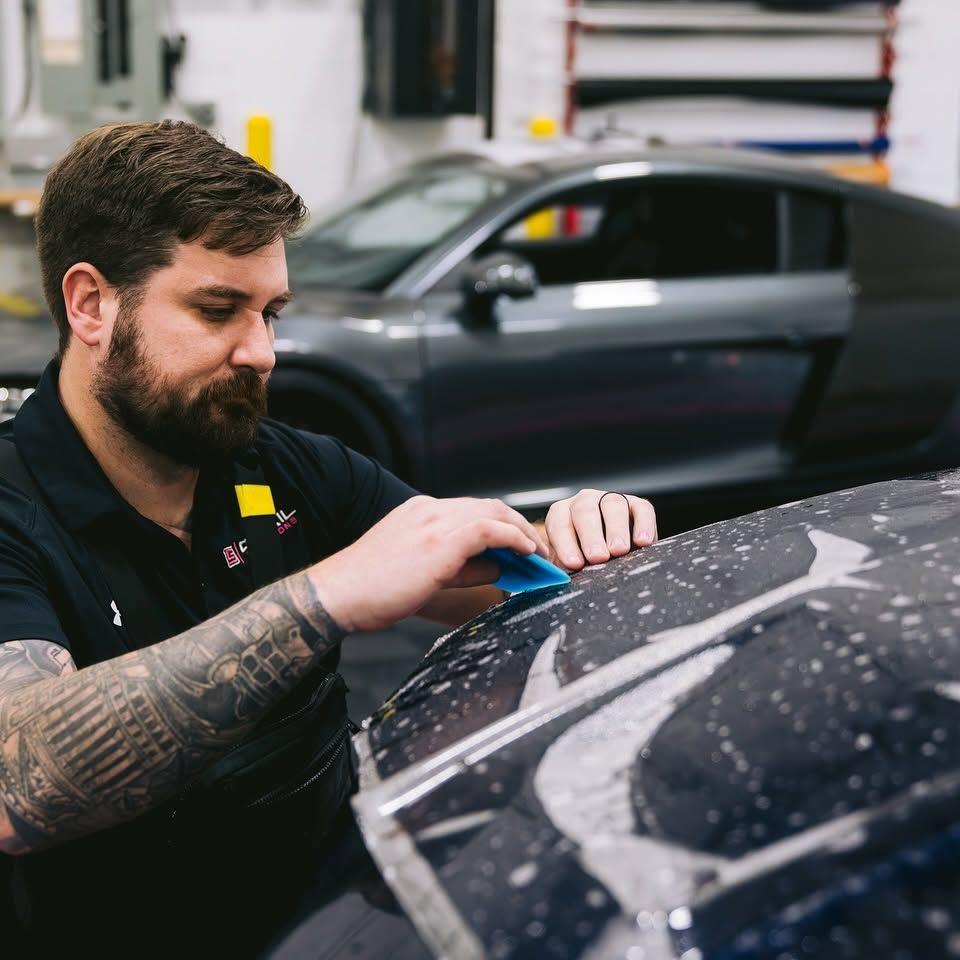
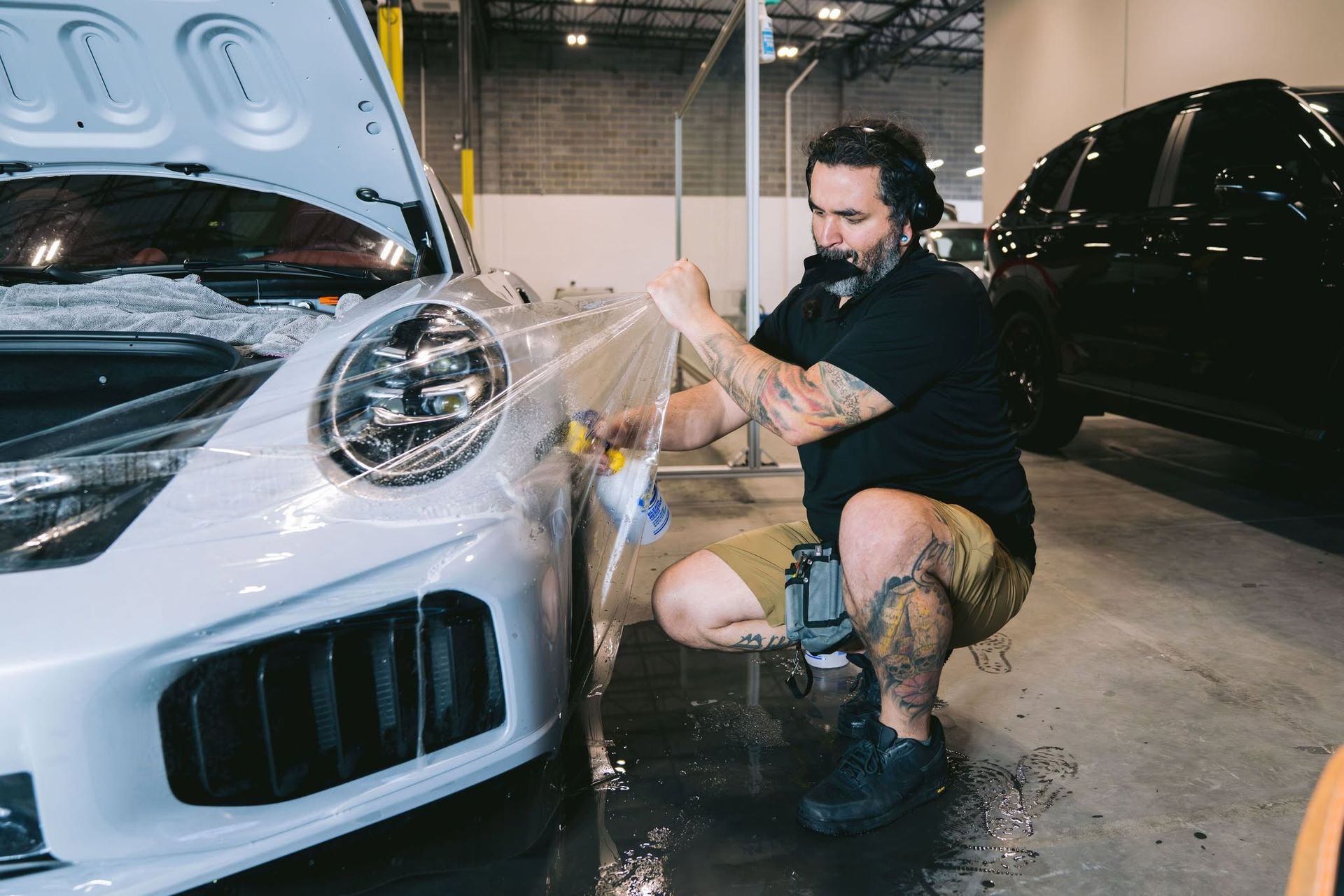
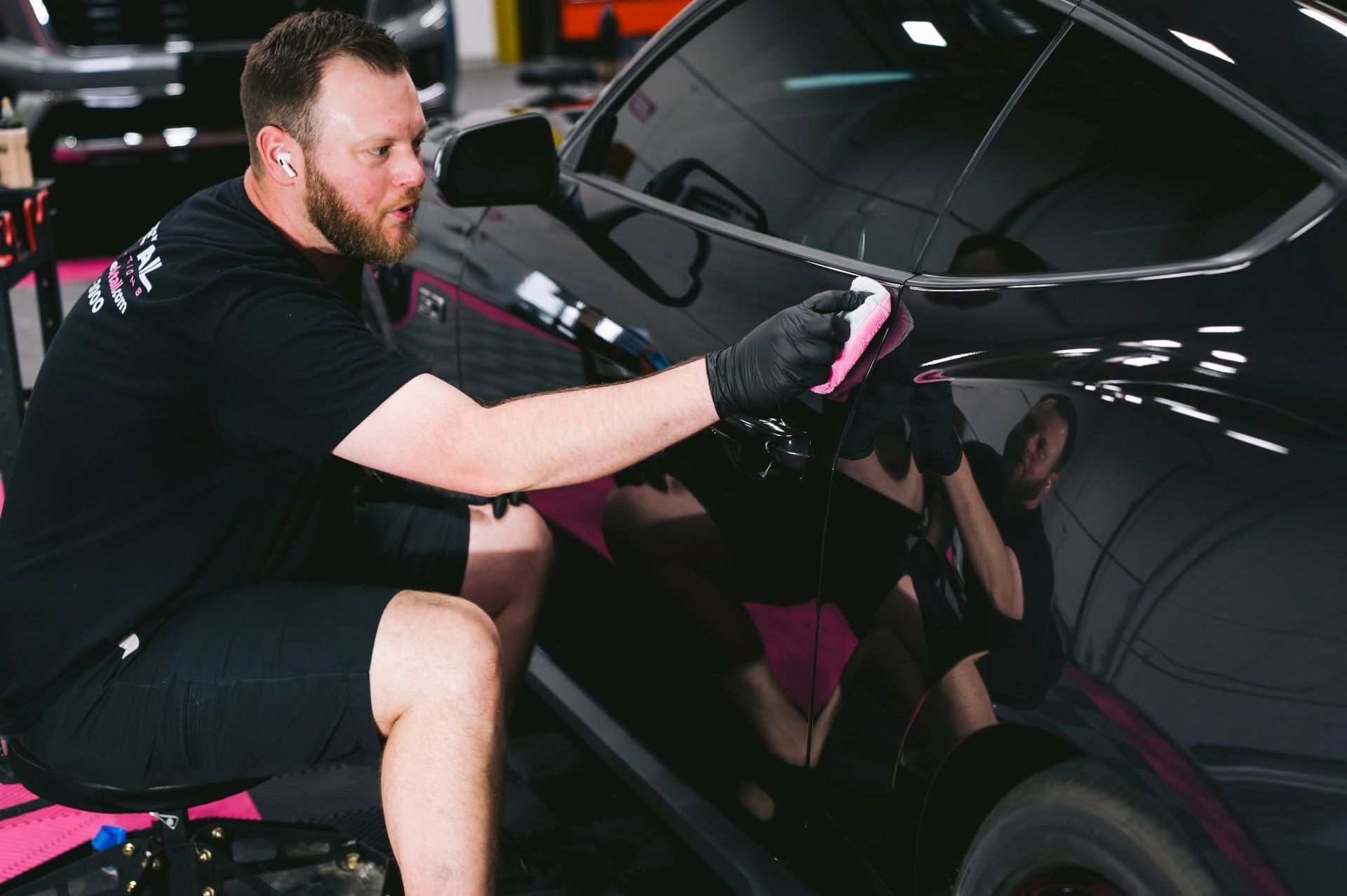
During application, the coating should be applied in small sections using even, overlapping motions. Timing is critical. Once the coating begins to flash, excess product must be leveled and buffed off with a clean microfiber towel. Waiting too long can leave behind high spots or hazy patches.
Finally, the coating needs time to cure. The vehicle should stay dry and protected from dust, moisture, and harsh conditions during the initial curing period. This is one reason professional installation is often more reliable.
Is DIY Ceramic Coating the Right Choice for You?
DIY ceramic coating may be worth considering if you enjoy hands-on vehicle care, have a clean workspace, own the right tools, and are comfortable spending several hours on preparation and application.
Professional ceramic coating is usually the better choice if you want long-term durability, a more consistent finish, warranty-backed protection, or reduced risk of costly mistakes. It is also the smarter option for new vehicles, high-value vehicles, Teslas, luxury cars, restored vehicles, and daily drivers exposed to heavy road use.
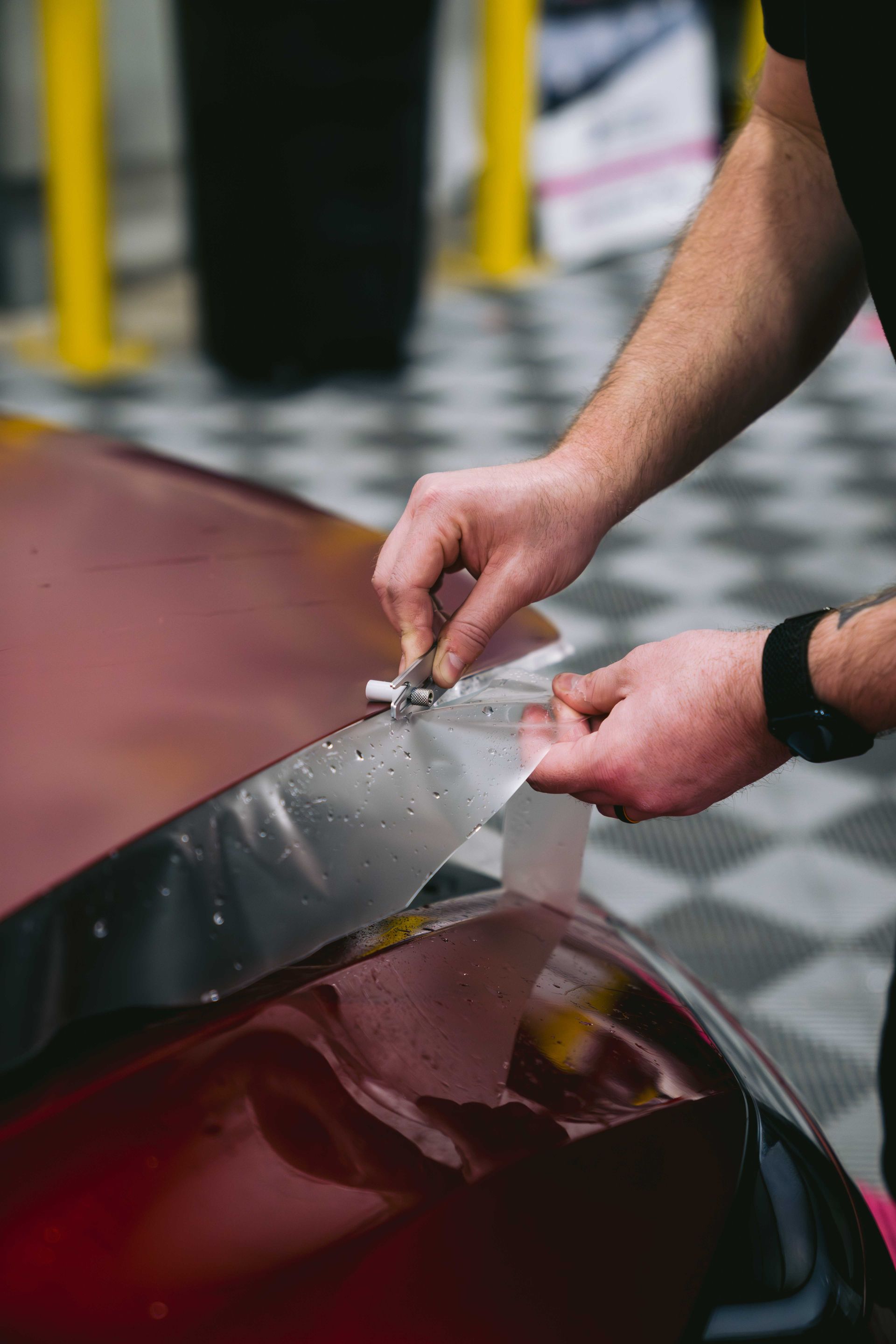
If you are also considering PPF, window tinting, or color-change PPF, it is worth speaking with a professional before deciding what to do yourself. Each service protects your vehicle in a different way, and the right combination depends on your driving habits, vehicle condition, budget, and appearance goals.
Professional Ceramic Coating in Baltimore, MD
Detail Solutions provides professional ceramic coating, paint protection film, window tinting, and color change PPF for drivers throughout Baltimore and surrounding Maryland communities, including Essex, Perry Hall, White Marsh, Owings Mills, Nottingham, Hunt Valley, Bel Air, Towson, Middle River, and Fallston.
Since 2011, Detail Solutions has helped vehicle owners protect their paint, preserve their vehicle’s appearance, and choose the right protection package for their needs. Whether you want easier maintenance, stronger paint protection, improved privacy, or a new look with color change PPF, our team can help you compare your options with confidence.
If you are unsure whether DIY ceramic coating is worth the risk, talk with Detail Solutions first. Contact us or call (410) 238-3000 to discuss ceramic coating, PPF, window tinting, or color change PPF for your vehicle.