Why Some Paint Protection Films Yellow Faster: The Role of UV Inhibitor Degradation
Paint Protection Film, also known as PPF, is one of the best ways to protect your vehicle from road debris, scratches, and environmental damage. But not all films age the same. If you have ever noticed a PPF installation turning yellow, especially on white or light-colored vehicles, you are not alone.
At Detail Solutions, we frequently hear questions from Baltimore-area vehicle owners about why some PPFs discolor faster than others. The truth is that yellowing is not always caused by poor installation or neglect. In many cases, it comes down to how the film is engineered, particularly how it handles long-term UV exposure.
In this blog, we will explain what causes PPF yellowing, why some films resist discoloration better than others, and how you can make smarter choices when selecting and maintaining PPF in Baltimore, MD, and nearby areas.
What Is Paint Protection Film (PPF)?
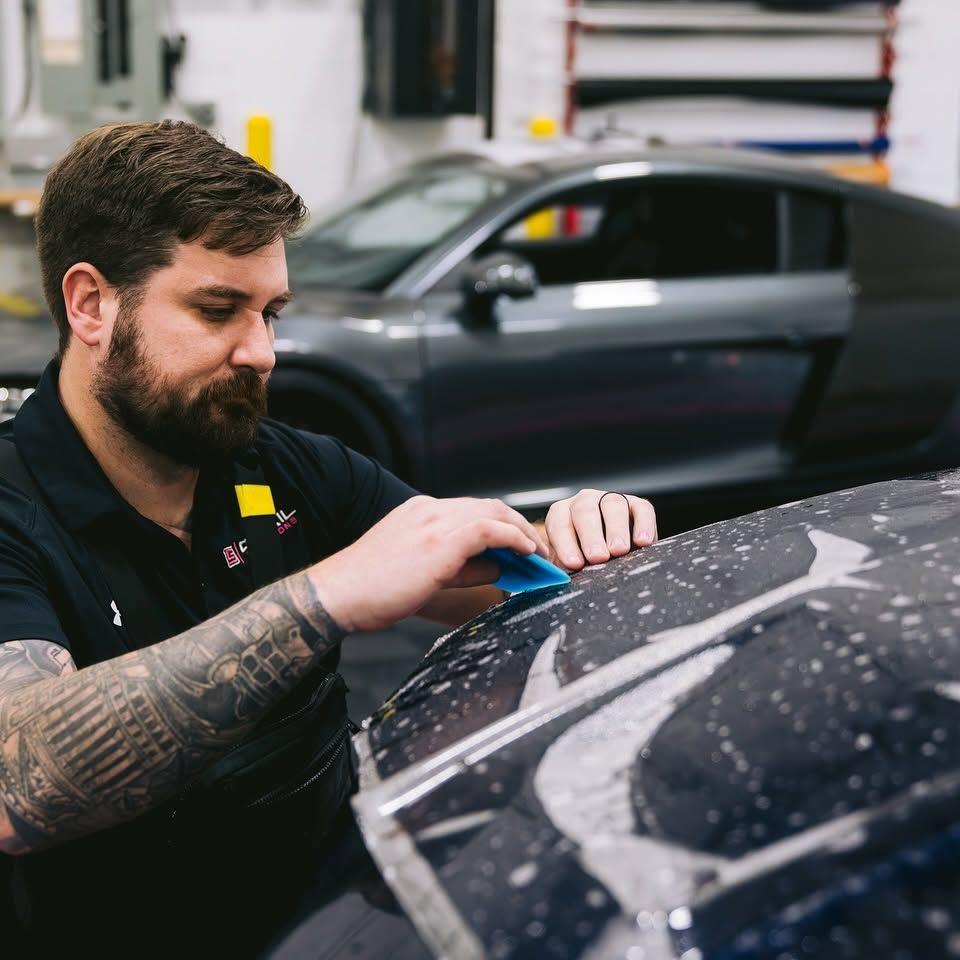
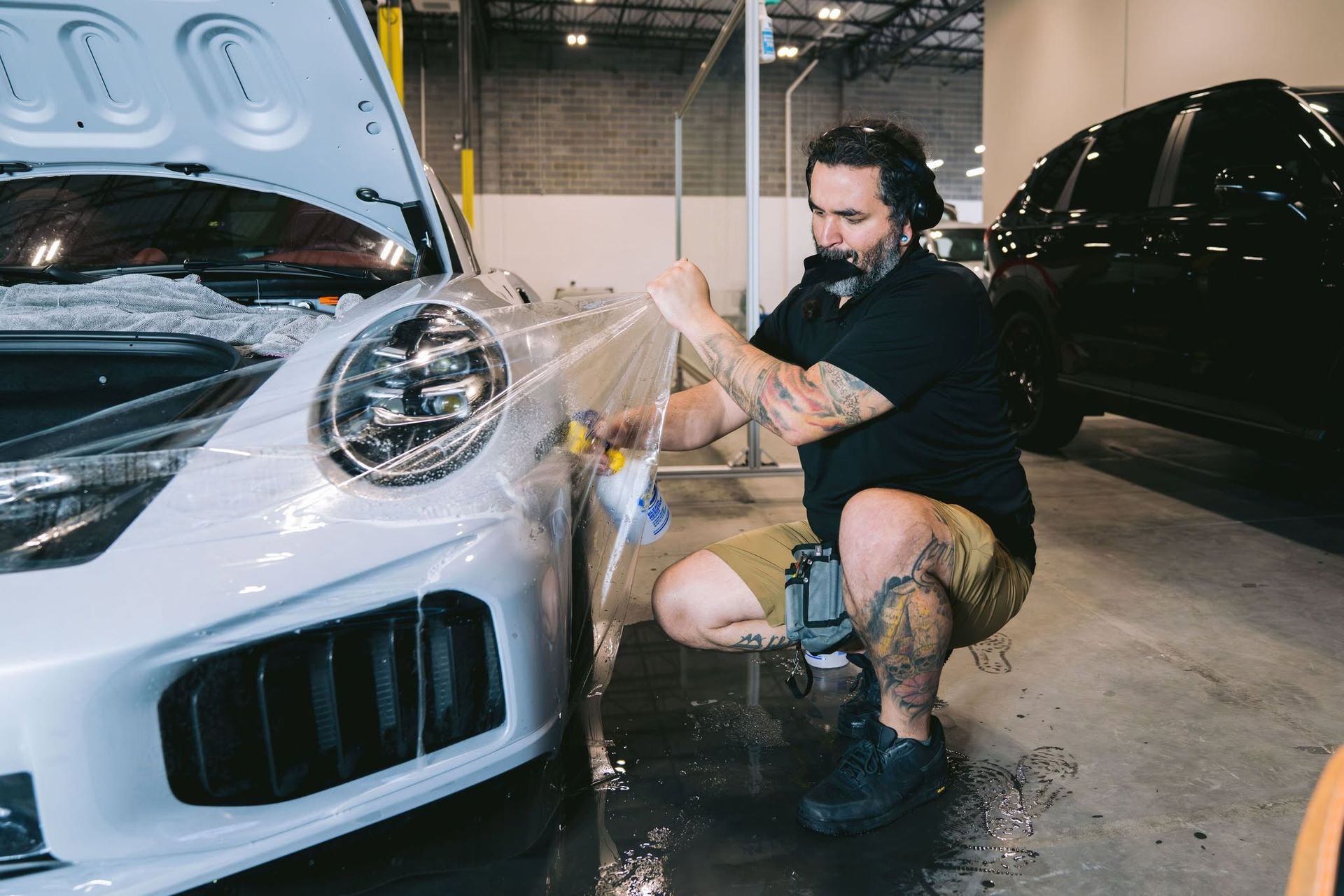
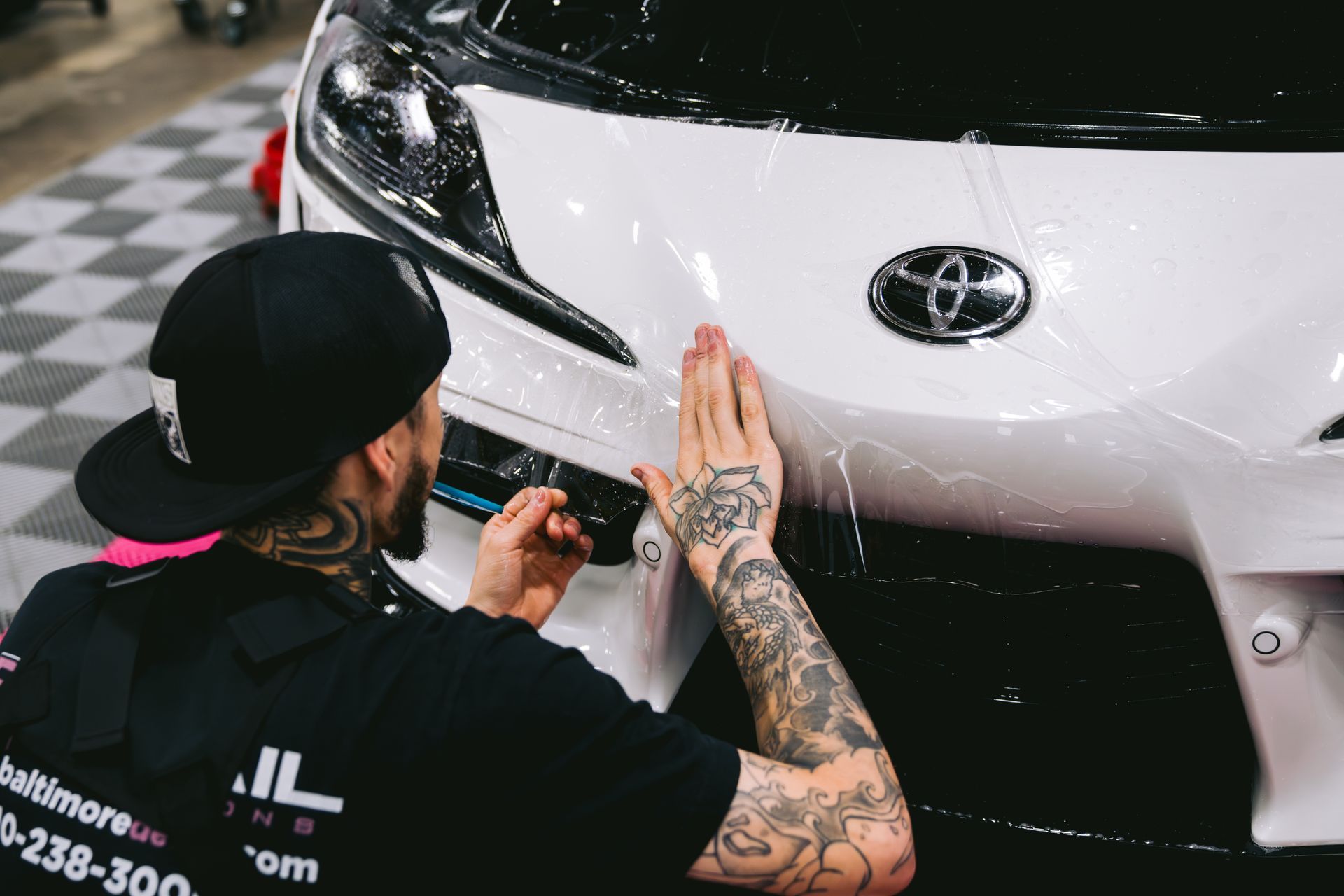
Paint Protection Film is a clear or lightly tinted urethane film that is applied to a vehicle’s painted surfaces. It acts as a barrier between your paint and the outside world, helping protect against:
- Road salt and grit
- Bug splatter and bird droppings
- Light scratches and swirl marks
- Minor impacts from gravel or debris
- UV exposure that can fade paint over time
Many modern PPFs include self-healing properties, meaning light scratches can disappear with heat from the sun or warm water. When properly installed and maintained, PPF can preserve the appearance and resale value of your vehicle for years.
However, not all PPFs are created equal.
Why Does PPF Yellow Over Time?
PPF yellowing is usually caused by oxidation and chemical breakdown inside the film. While older films were more prone to this problem, even modern films can discolor if the materials, adhesives, or UV protection systems are weaker.
Yellowing typically happens due to a combination of factors, including:
- UV exposure
- Inhibitor degradation
- Chemical contamination
- Airborne pollution
- Improper cleaning methods
- Lower-quality film materials
In most cases, UV exposure is the biggest contributor. That is where UV inhibitors play a critical role.
The Role of UV Inhibitors: What They Do and Why They Matter
High-quality PPF is designed with built-in UV inhibitors, which are chemicals that help protect the film from sun damage. These inhibitors absorb and neutralize UV radiation before it breaks down the film’s structure.
There are two major types of UV protection systems used in PPF:
1. UV Absorbers
These are compounds that soak up UV rays and convert that energy into heat. Over time, they become less effective as they are consumed.
2. HALS (Hindered Amine Light Stabilizers)
HALS help prevent oxidation by interrupting the chemical reactions that cause breakdown in polymers. They do not absorb UV directly, but they are extremely effective at slowing long-term degradation.
When these protective additives degrade faster than expected, the film becomes vulnerable to discoloration. That is why some PPFs yellow faster than others.
Why Some PPFs Yellow Faster Than Others
Yellowing is often tied to how the film was manufactured and what materials were used. Here are some of the most common reasons discoloration happens sooner:
1. Lower-Quality Film Materials
Premium PPF is typically made from aliphatic TPU, which is more resistant to yellowing. Lower-cost films sometimes use aromatic TPU, which is more likely to discolor with UV exposure.
2. Weaker or Reduced UV Inhibitor Systems
Some films contain fewer stabilizers or rely heavily on UV absorbers without the long-term reinforcement of stabilizers like HALS. This can cause the protective layer to degrade quickly.
3. Adhesive Yellowing
In some cases, the yellowing is not in the film itself, but in the adhesive layer underneath. Poor-quality adhesives can oxidize or trap contaminants, leading to visible discoloration.
4. Environmental Exposure
In Maryland, vehicles face intense seasonal UV, humidity, road salt, and pollution. If a vehicle spends long hours outdoors or is exposed to contaminants frequently, the film can degrade faster.
5. Improper Cleaning Methods
Harsh chemicals, abrasive tools, or inconsistent maintenance can strip protective coatings and shorten the life of the film.
How to Prevent PPF Yellowing and Extend Film Life
While no PPF lasts forever, the right maintenance can significantly slow discoloration and preserve clarity longer.
Recommended Maintenance Practices
Wash regularly using a pH-neutral car shampoo
Avoid harsh degreasers or household detergents that can weaken the film surface.
Use microfiber towels only
Avoid brushes or rough sponges that can scratch the film and compromise the top layer.
Remove contaminants quickly
Bird droppings, bug residue, and tree sap can etch into PPF and accelerate discoloration if left untreated.
Avoid automatic car washes
Brush-based washes can damage the film surface and reduce its protective performance over time.
Apply a protective coating
A ceramic coating designed for PPF can help reduce UV exposure, contamination buildup, and surface staining.
At Detail Solutions, we offer ceramic coating options that enhance the performance of PPF and help maintain a cleaner, glossier finish.
Choosing the Right PPF: What to Look For
If you want to minimize yellowing from the start, selection is just as important as maintenance.
When choosing PPF, look for:
- Aliphatic TPU construction
- Premium UV inhibitor systems
- A stable, high-clarity adhesive layer
- Manufacturer warranties that cover discoloration
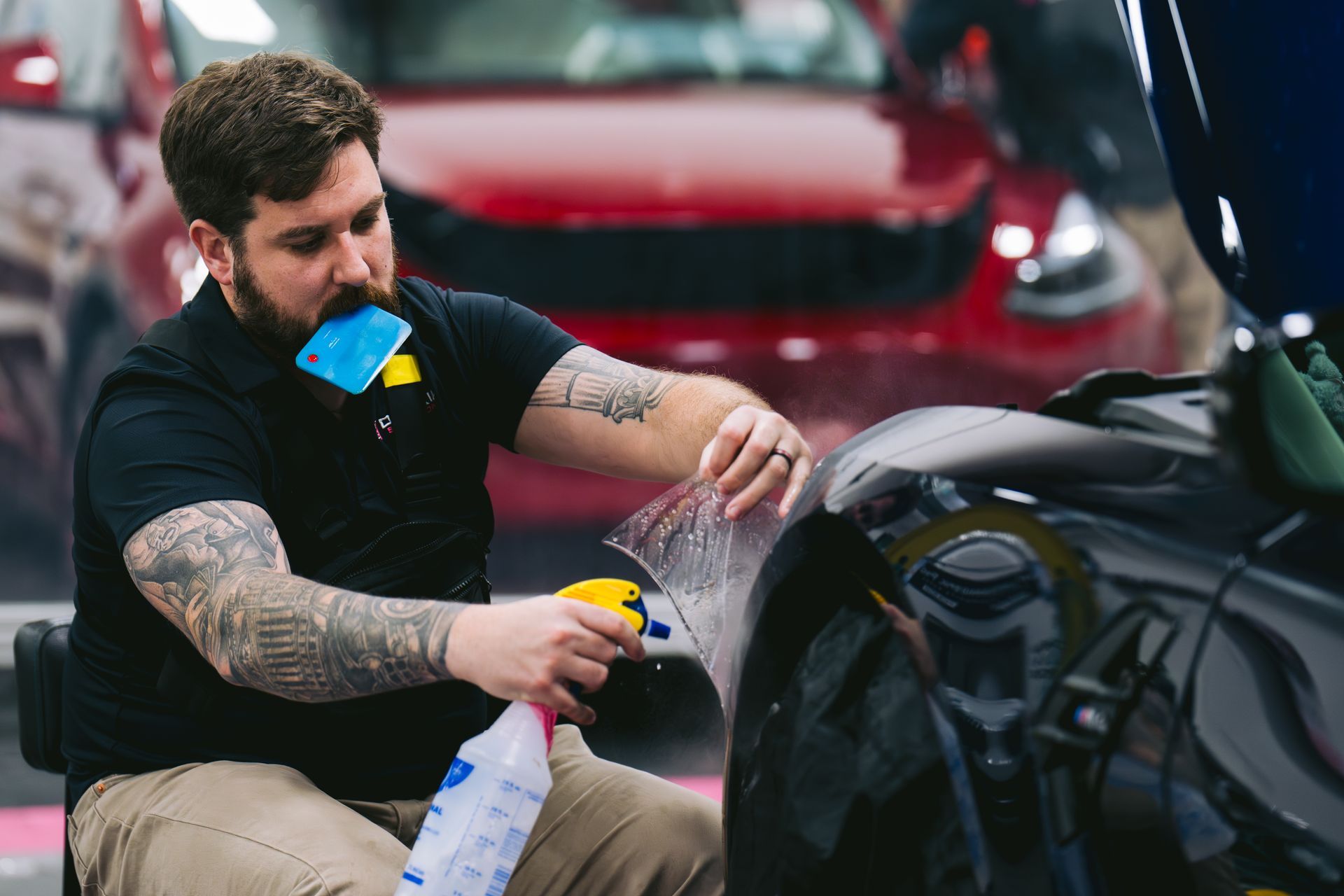
- Professional installation by experienced installers
A high-end film will cost more up front, but it typically lasts longer, looks better, and provides greater long-term value.
Does Window Tint Help Reduce PPF Yellowing?
Yes, window tint can help indirectly by reducing UV exposure inside your vehicle. While tint does not protect the exterior film directly, it helps minimize UV-related heat and interior fading, which contributes to overall vehicle protection.
If you are building a long-term protection plan, combining PPF + ceramic coating + window tint is one of the best strategies for preserving your vehicle’s appearance.
Detail Solutions offers all three services and can help you build the right package for your driving habits and vehicle type.
PPF Yellowing FAQ
Does PPF always yellow eventually?
Not always. Premium films resist yellowing significantly longer, and proper maintenance makes a major difference.
Can yellowed PPF be fixed?
In most cases, once discoloration occurs within the film or adhesive, the only true solution is replacement. Surface staining can sometimes be removed with professional decontamination and polishing.
How long should PPF stay clear?
With high-quality film and good maintenance, PPF can remain clear for several years, especially when combined with ceramic coating.
Is color change PPF more likely to discolor?
Color change PPF is engineered differently, and discoloration depends heavily on material quality and exposure. Professional installation and proper care are critical.
Protect Your Vehicle With Premium PPF in Baltimore, MD
If you are considering paint protection film or you are concerned about yellowing on your current installation, Detail Solutions can help. We install premium films designed to resist discoloration and provide long-term protection.
We proudly serve drivers across Baltimore, Essex, Perry Hall, White Marsh, Owings Mills, Nottingham, Hunt Valley, Bel Air, Towson, Middle River, Fallston, and surrounding areas.
Contact Detail Solutions today to schedule a consultation and get a personalized quote for
PPF,
ceramic coating,
window tinting, or
color change film options.