Ceramic Coating and PPF: How Proper Installation Order Prevents Costly Failures
Protecting your vehicle’s paint is about more than appearance. It is about long-term value, durability, and avoiding unnecessary repair costs. Many vehicle owners invest in ceramic coating or paint protection film and assume that either option alone is enough. The real challenge begins when both products are combined without proper planning.
When installed correctly, ceramic coating layered over paint protection film provides superior physical and chemical protection. When installed incorrectly, it can lead to bubbling, peeling, discoloration, and early failure. This guide explains why installation order matters, how ceramic coating and PPF work together, and how professional installation prevents costly mistakes.
Understanding the Role of Ceramic Coating and Paint Protection Film
Ceramic coating and paint protection film serve different but complementary purposes. Understanding these differences is essential before combining them.
Ceramic coating is a liquid polymer that chemically bonds to the surface it is applied to. Once cured, it forms a thin, protective layer that resists UV damage, chemical staining, and oxidation. It also creates hydrophobic properties that repel water, dirt, and road grime, making regular maintenance easier and reducing the likelihood of surface contamination.
While ceramic coating enhances gloss and offers minor resistance to swirl marks, it does not provide meaningful impact protection. Rock chips, gravel, and road debris can still penetrate the clear coat beneath a ceramic coating.
Paint protection film takes a physical approach to protection. Made from thermoplastic polyurethane, PPF is a thicker, flexible material designed to absorb impact from road debris. It acts as a sacrificial layer that protects the paint underneath from chips, scratches, and abrasions.
One of PPF’s most valuable features is its self-healing ability. Minor surface marks often disappear when exposed to heat from sunlight or warm water. However, PPF does not offer strong chemical resistance on its own and can still accumulate contamination if not maintained properly.
Ceramic Coating vs. Paint Protection Film
Ceramic Coating
- Thickness: Ultra-thin chemical layer
- Primary Protection: UV rays, chemicals, light swirls
- Hydrophobic Properties: Strong
- Self-Healing: No
- Typical Lifespan: 2 to 5 years
Paint Protection Film (PPF)
- Thickness: Thick physical film
- Primary Protection: Rock chips, debris, abrasions
- Hydrophobic Properties: Limited
- Self-Healing: Yes
- Typical Lifespan: 5 to 10 years
These differences explain why many vehicle owners choose to combine both. The key is doing so in the correct order.
Why Installation Order Matters
The correct installation order is always paint protection film first, followed by ceramic coating. This sequence is essential due to how each product bonds and cures.
PPF Must Be Applied to Bare Paint
PPF relies on its adhesive bonding directly to the vehicle’s clear coat. This bond requires a clean, untreated surface. If ceramic coating is applied first, it creates a slick, hydrophobic layer that prevents proper adhesion. Even if the film appears to stick initially, the bond is weak and unstable.
Over time, this leads to edge lifting, bubbling, and delamination. Heat and temperature changes accelerate these failures as the materials expand and contract at different rates.
Ceramic Coating Bonds Best to Cured PPF
Once PPF has fully cured, usually after 48 to 72 hours, it becomes an ideal surface for ceramic coating. High-quality PPF is compatible with ceramic coatings when applied correctly. The coating enhances chemical resistance, adds hydrophobic properties, and simplifies long-term maintenance.
This layered system allows the PPF to handle physical damage while the ceramic coating protects the surface from contaminants and UV exposure.
Consequences of Incorrect Installation Order
Installing ceramic coating before PPF often results in premature failure. Common issues include:
- Film lifting or peeling within weeks
- Trapped moisture or air bubbles
- Uneven texture and visible distortion
- Voided manufacturer warranties
- Complete removal and reinstallation costs
Correcting these issues typically requires removing both layers, correcting the paint, and starting over. This doubles labor costs and risks additional paint damage.
Common Installation Mistakes That Cause Failure
Even when installers follow the correct sequence, mistakes during preparation or curing can compromise the entire system.
Poor Surface Preparation
Successful installation begins with thorough surface preparation. Paint must be washed, chemically decontaminated, clay barred, and polished if necessary. Any residue, wax, or oil left on the surface interferes with PPF adhesion.
The same attention is required before applying ceramic coating over PPF. The film must be completely clean and free of installation solution residue, fingerprints, or dust.
Rushing Cure Times
PPF requires adequate curing time before ceramic coating is applied. Introducing coating solvents too early can weaken the adhesive and cause bubbling or hazing.
Ceramic coatings also require a controlled curing period. Exposure to moisture too soon can disrupt bonding and reduce durability.
Ignoring Environmental Conditions
Temperature and humidity significantly affect both PPF and ceramic coating installation. Controlled environments are essential to prevent adhesive failure, uneven curing, and contamination.
Professional installers work in climate-controlled facilities for this reason.
Product Incompatibility
Not all ceramic coatings are designed to bond with PPF, and not all films accept coatings equally. Using incompatible products can cause discoloration or reduced film lifespan.
Experienced installers only use combinations that have been tested and approved by manufacturers.
Poor Edge Sealing
PPF edges are the most vulnerable points in any installation. Improper sealing allows water and contaminants underneath the film, leading to lifting and degradation. Ceramic coating should be applied over edges to reinforce sealing and protection.
Professional Techniques That Ensure Long-Term Results
High-quality installations rely on specialized techniques that go beyond basic application.
Paint Correction Before PPF
Any imperfections present before installation become permanently sealed under the film. Professional paint correction removes swirl marks, light scratches, and oxidation, creating a flawless surface for PPF bonding.
Precision Film Application
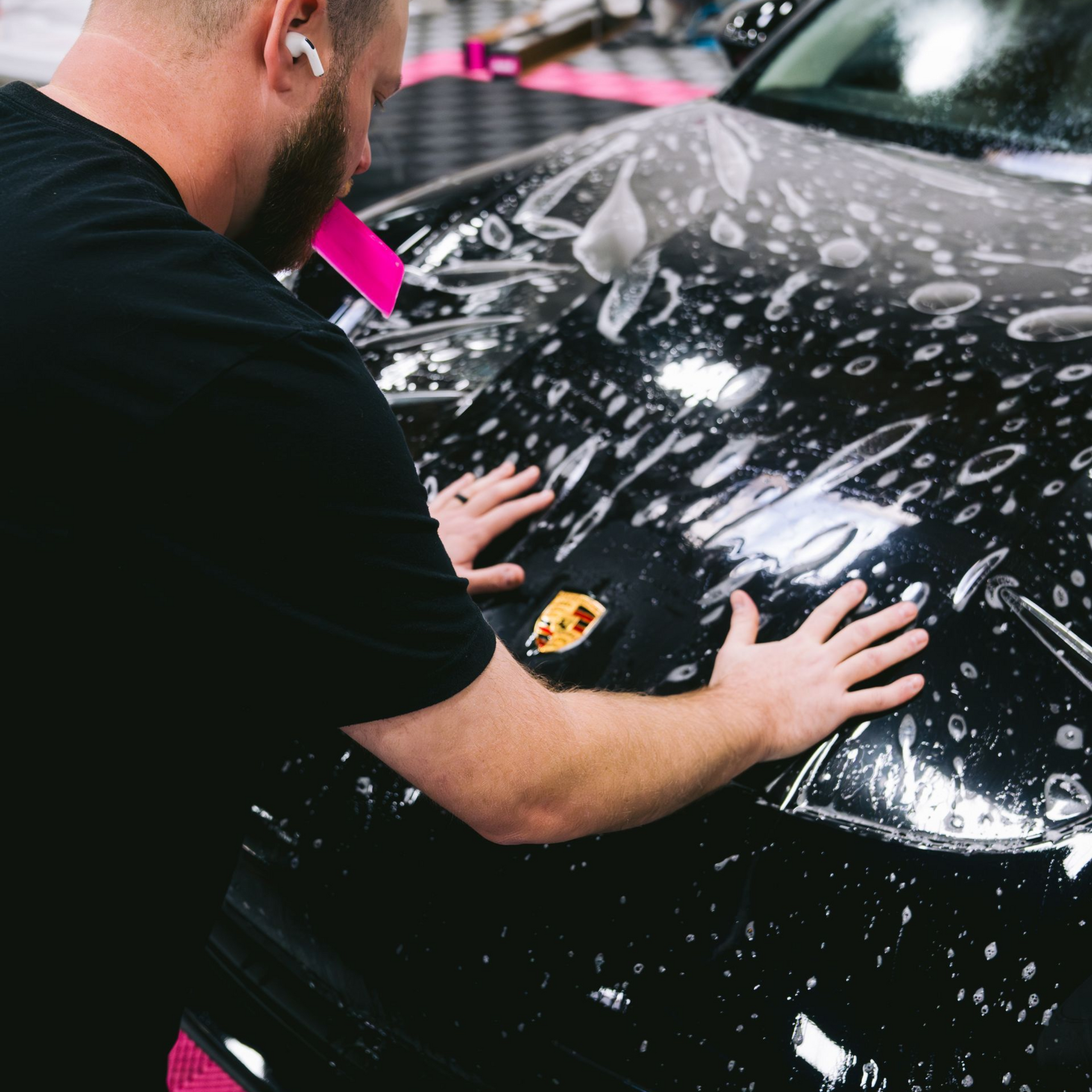
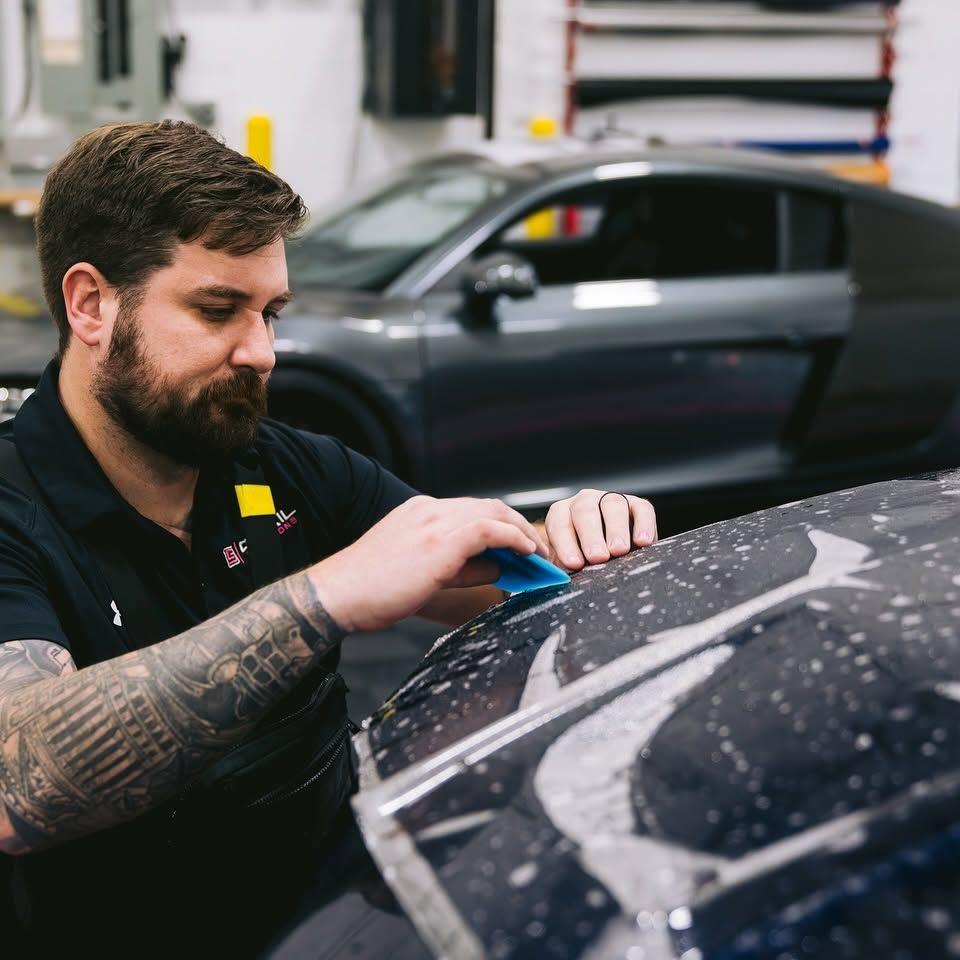
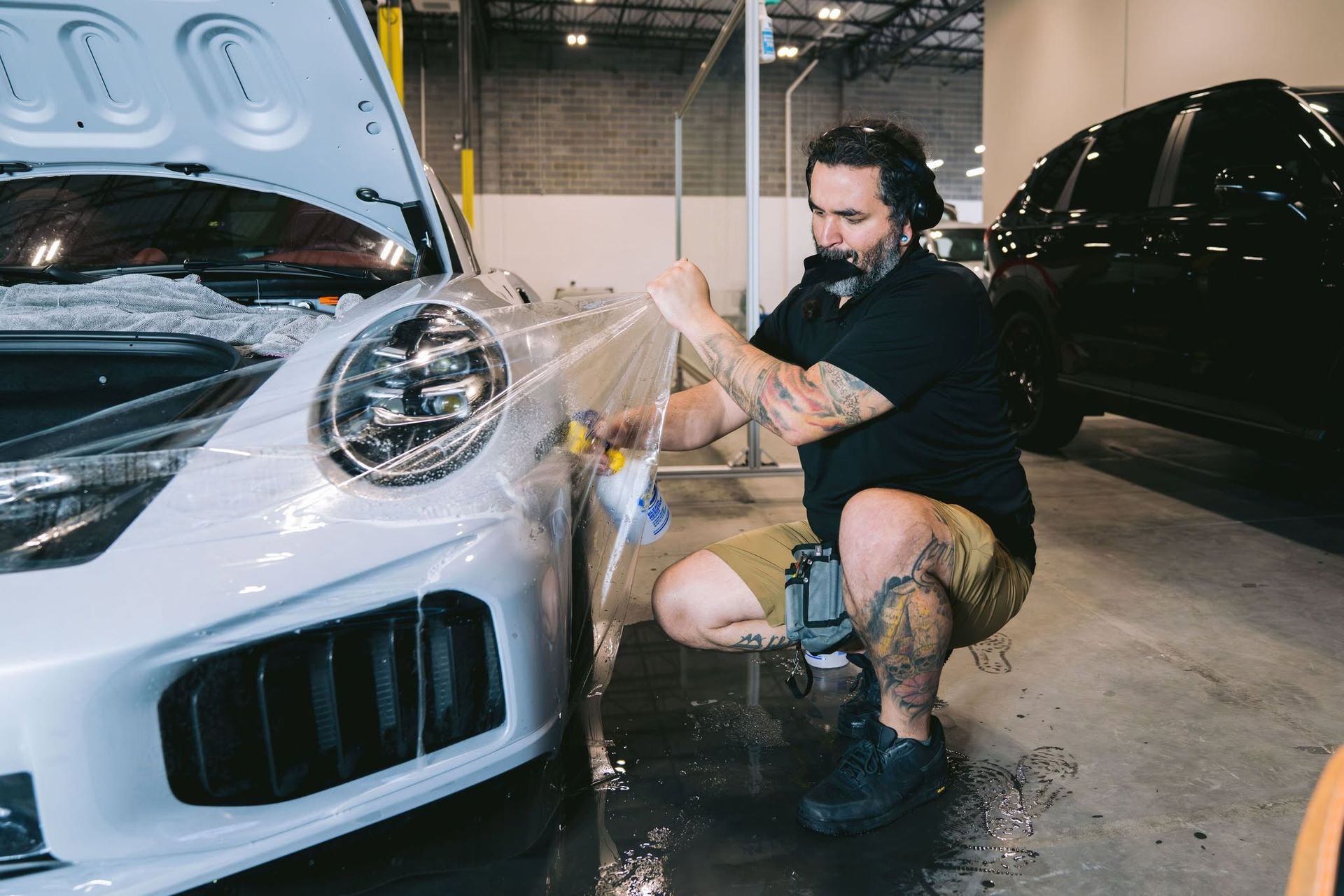
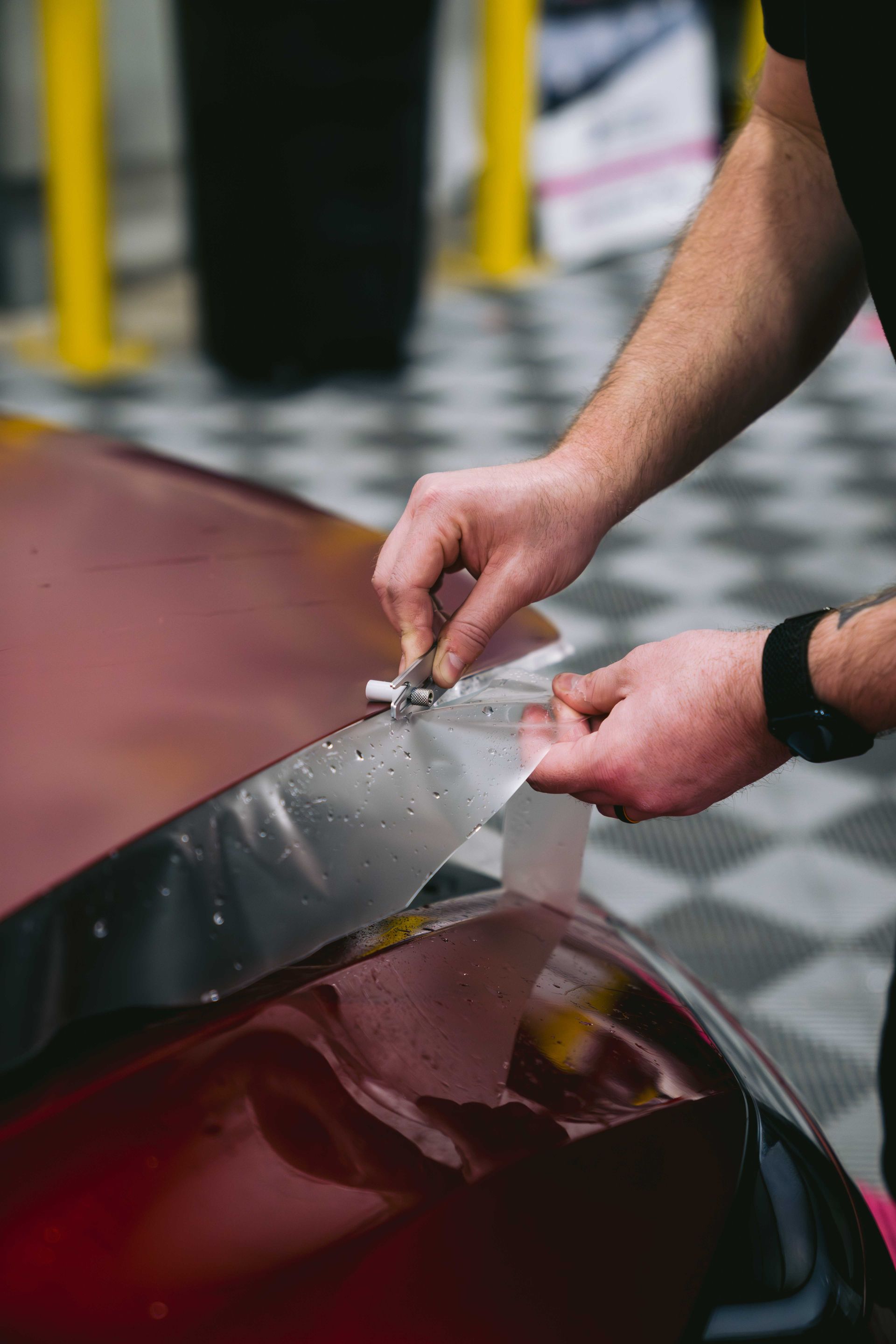
Professional installers use vehicle-specific patterns and advanced squeegee techniques to eliminate air pockets and ensure clean edges. Film is often wrapped where possible to minimize visible seams and reduce failure points.
Controlled Ceramic Coating Application
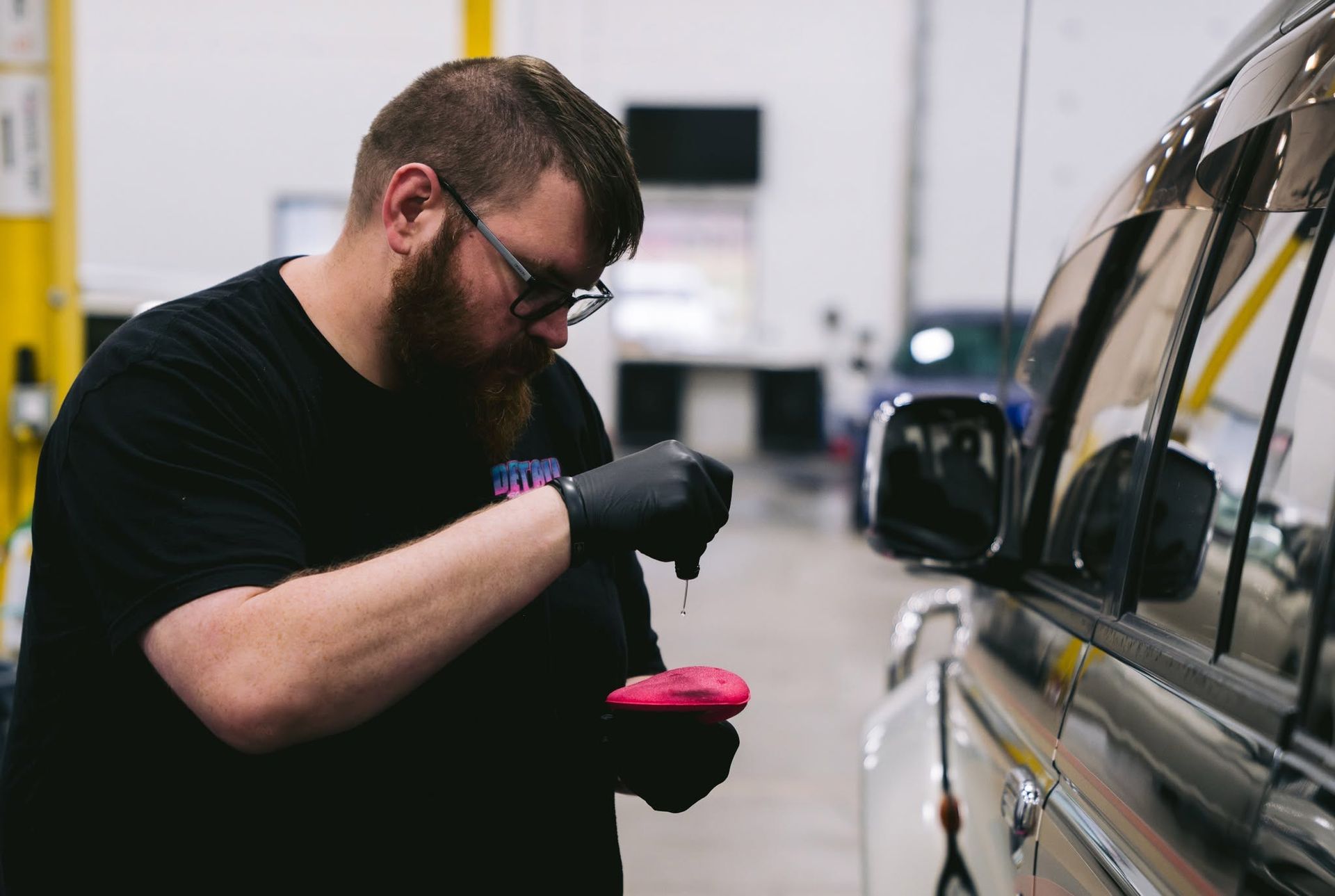
Ceramic coating over PPF requires careful leveling and uniform coverage. Installers apply the coating in small sections to prevent streaking and high spots, especially on textured or matte films.
Final Inspection and Curing
Before delivery, vehicles undergo detailed inspections under multiple lighting conditions. This ensures consistent coverage, proper curing, and a flawless finish.
Maintenance for Ceramic Coating and PPF Systems
Long-term performance depends on proper care.
- Washing: Use pH-neutral soap only
- Drying: Use clean microfiber towels
- Frequency: Wash every 1 to 2 weeks
- Spot Cleaning: Remove contaminants promptly
- Inspections: Conduct every 6 months
Avoid automated car washes and abrasive cleaning tools. Regular inspections help catch minor issues before they become major failures.
Professional Protection in Baltimore and Surrounding Areas
At Detail Solutions, vehicle protection is handled with precision and consistency. Since 2011, our team has specialized in ceramic coatings, paint protection film, color change PPF, and window tinting for vehicles throughout Baltimore, Essex, Perry Hall, White Marsh, Towson, Hunt Valley, Bel Air, Middle River, Nottingham, Fallston, and surrounding areas.
We follow manufacturer-approved installation protocols, never rush cure times, and work exclusively in climate-controlled environments. Our technicians use proven product combinations and remain trained on the latest protection technologies.
Whether protecting a new vehicle or preserving a long-term investment, Detail Solutions delivers results built for durability and appearance.
Frequently Asked Questions
Can ceramic coating be applied over paint protection film?
Yes. Ceramic coating can be applied over fully cured PPF to improve chemical resistance and simplify maintenance.
What happens if ceramic coating is applied before PPF?
Applying ceramic coating first prevents proper PPF adhesion, leading to peeling, bubbling, and early failure.
How long should PPF cure before ceramic coating?
Most PPF should cure for at least 48 to 72 hours before ceramic coating application.
Does ceramic coating make PPF self-healing?
No. The self-healing property comes from the PPF itself. Ceramic coating enhances surface protection and cleaning ease.
Is professional installation necessary?
Yes. Improper installation can void warranties and significantly reduce protection lifespan.