Top Mistakes That Shorten the Life of Ceramic Coating in Baltimore, MD
Ceramic coating is one of the most effective ways to protect your vehicle’s paint while enhancing gloss and hydrophobic performance. However, many car owners in Baltimore, MD, and surrounding areas such as Towson, White Marsh, Bel Air, and Owings Mills unintentionally reduce the lifespan of their coating through improper maintenance.
Maryland’s climate presents specific challenges, including winter road salt, summer humidity, UV exposure, and industrial fallout. Without proper care, even a professionally installed ceramic coating can wear down prematurely.
Below, we outline the most common mistakes that shorten the life of ceramic coating and explain how to properly maintain your investment for long-term protection.
1. Improper Washing Techniques
One of the most common causes of premature coating failure is incorrect washing.
Ceramic coatings are highly durable, but they are not scratch-proof. Automatic car washes with abrasive brushes can create micro-marring and swirl marks that gradually degrade the coating’s surface. Over time, these fine scratches reduce gloss and hydrophobic performance.
To maintain your ceramic coating properly:
- Wash your vehicle every one to two weeks
- Use a pH-neutral automotive shampoo designed for ceramic-coated vehicles
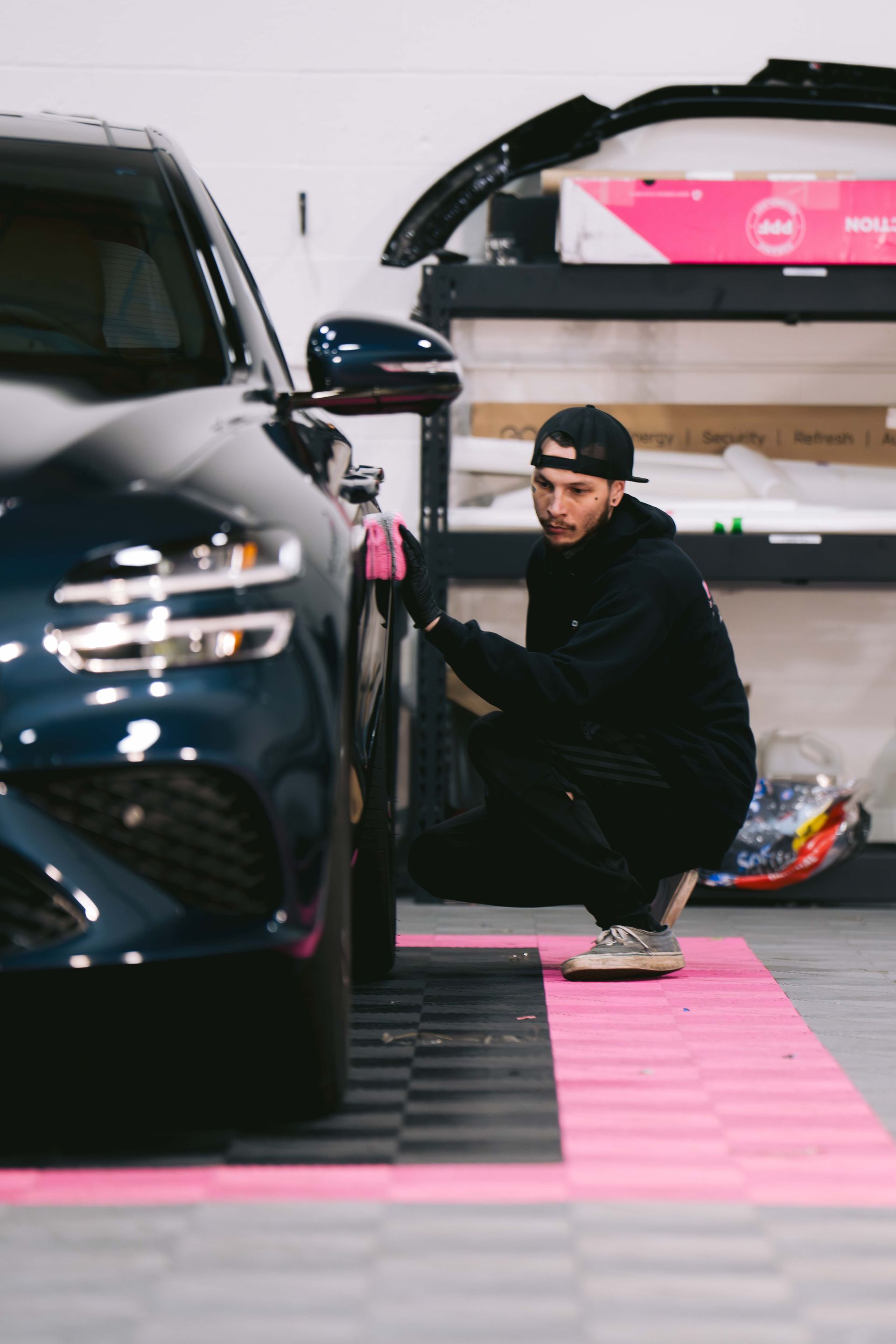
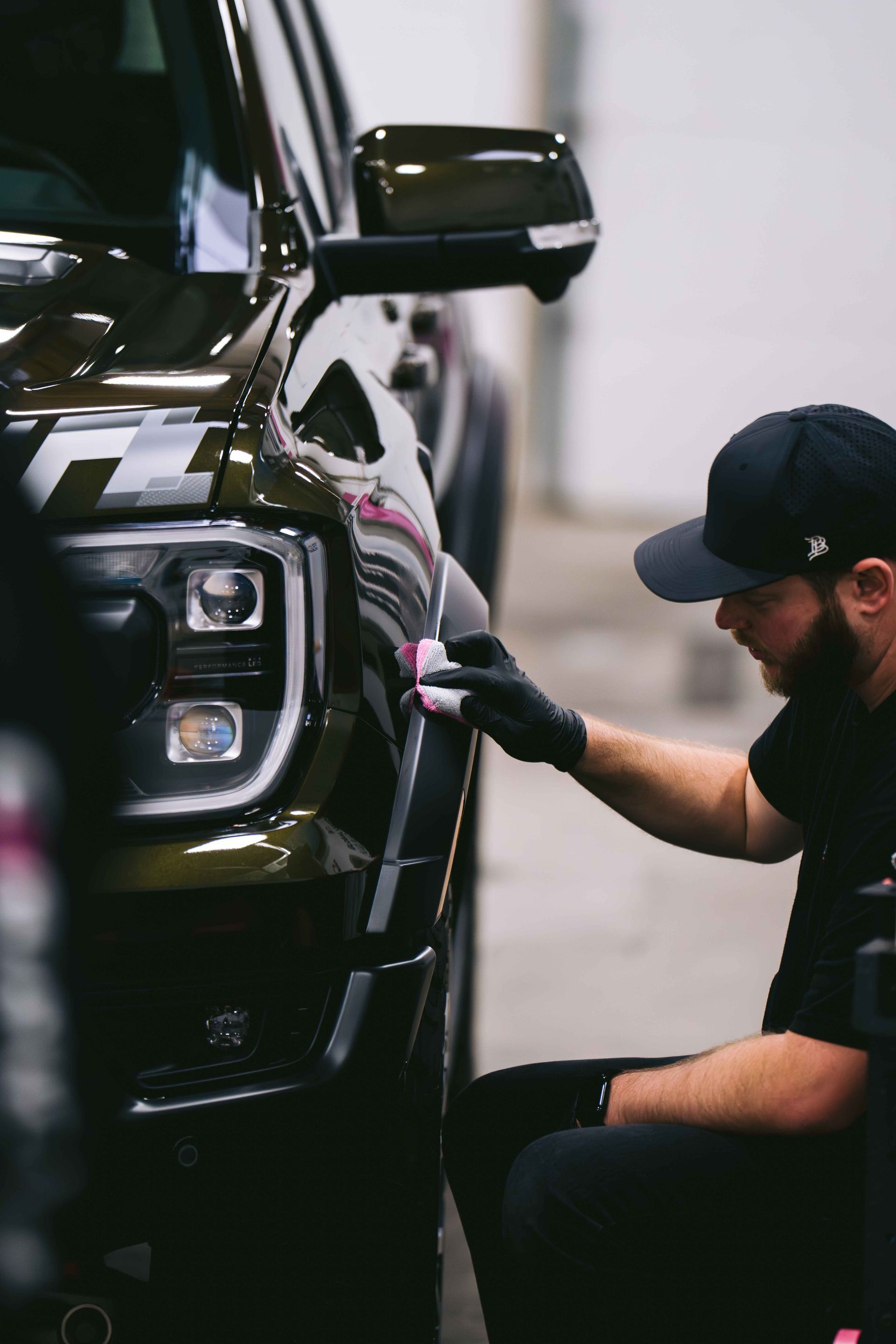
- Use a high-quality microfiber wash mitt
- Rinse thoroughly before contact washing to remove loose debris
Frequent washing is especially important in Baltimore and surrounding areas during winter months when road salt accumulates quickly. Salt residue can accelerate chemical breakdown if left on the surface.
2. Skipping Proper Drying
Allowing water to air dry on a ceramic-coated vehicle may leave behind mineral deposits and water spots. While ceramic coatings repel water, they do not prevent mineral staining.
After washing:
- Dry immediately using clean, plush microfiber towels
- Use light pressure and pat dry rather than aggressive wiping
- Consider using filtered water or a drying aid for additional protection
Water spot buildup can slowly dull the coating’s shine and weaken its protective layer.
3. Poor Surface Preparation Before Application
Many coating failures begin before the vehicle even leaves the shop.
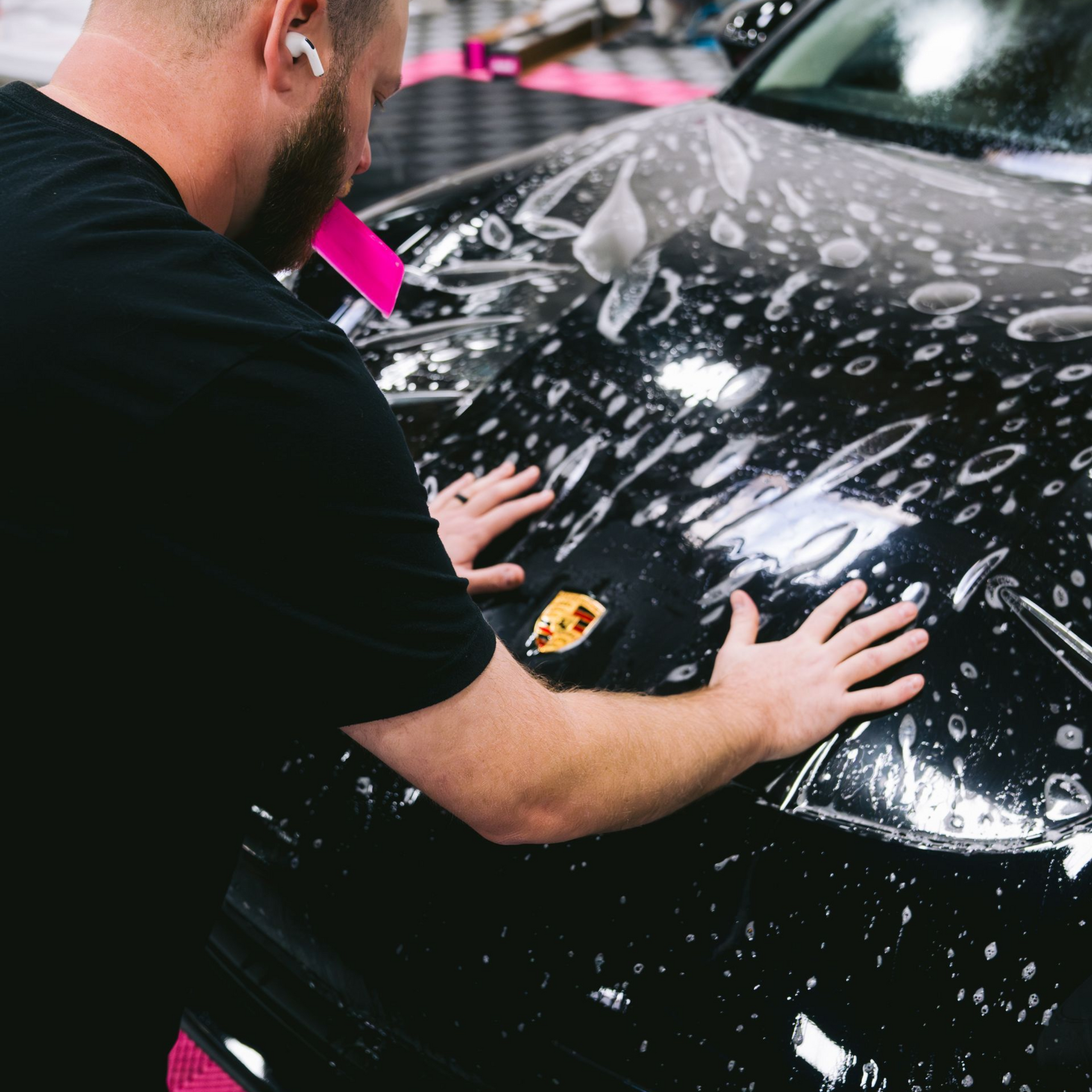
If paint correction, decontamination, and oil removal are not properly completed before application, the ceramic coating cannot bond effectively. Residual waxes, polishing oils, and contaminants create a barrier that interferes with adhesion.
Professional ceramic coating installation at Detail Solutions includes:
- Thorough wash and decontamination
- Clay bar treatment
- Paint correction when necessary
- Proper panel wipe preparation
Skipping these steps significantly reduces durability and can lead to uneven performance.
4. Ignoring Environmental Hazards in Maryland
Ceramic coatings provide strong protection, but environmental exposure still plays a major role in longevity.
In the Baltimore region, vehicles are commonly exposed to:
- Road salt during winter
- High humidity in summer
- Tree sap and pollen
- Industrial fallout
- Bird droppings
Bird droppings and tree sap are highly acidic and can etch into coatings if not removed promptly. Road salt accelerates chemical wear during winter months in areas such as Perry Hall, Middle River, and Nottingham.
Best practices include:
- Remove bird droppings and sap within hours
- Rinse off road salt frequently during winter
- Park in a garage when possible
- Avoid parking under trees
Consistent exposure without maintenance will shorten coating life significantly.
5. Using Harsh Cleaning Chemicals
Not all car cleaning products are safe for ceramic-coated vehicles.
Highly acidic or strongly alkaline cleaners can weaken the SiO2 layer over time. Household cleaners, degreasers, and heavy-duty chemicals are particularly damaging.
Avoid products containing:
- Strong acids
- Sodium hydroxide
- Ammonia
- Heavy solvents
Instead, choose cleaning products labeled safe for ceramic coatings with a pH range between 6 and 8. Proper product selection helps preserve gloss, water beading, and durability.
6. Using Abrasive Cleaning Tools
Even the right soap can cause damage if paired with the wrong tools.
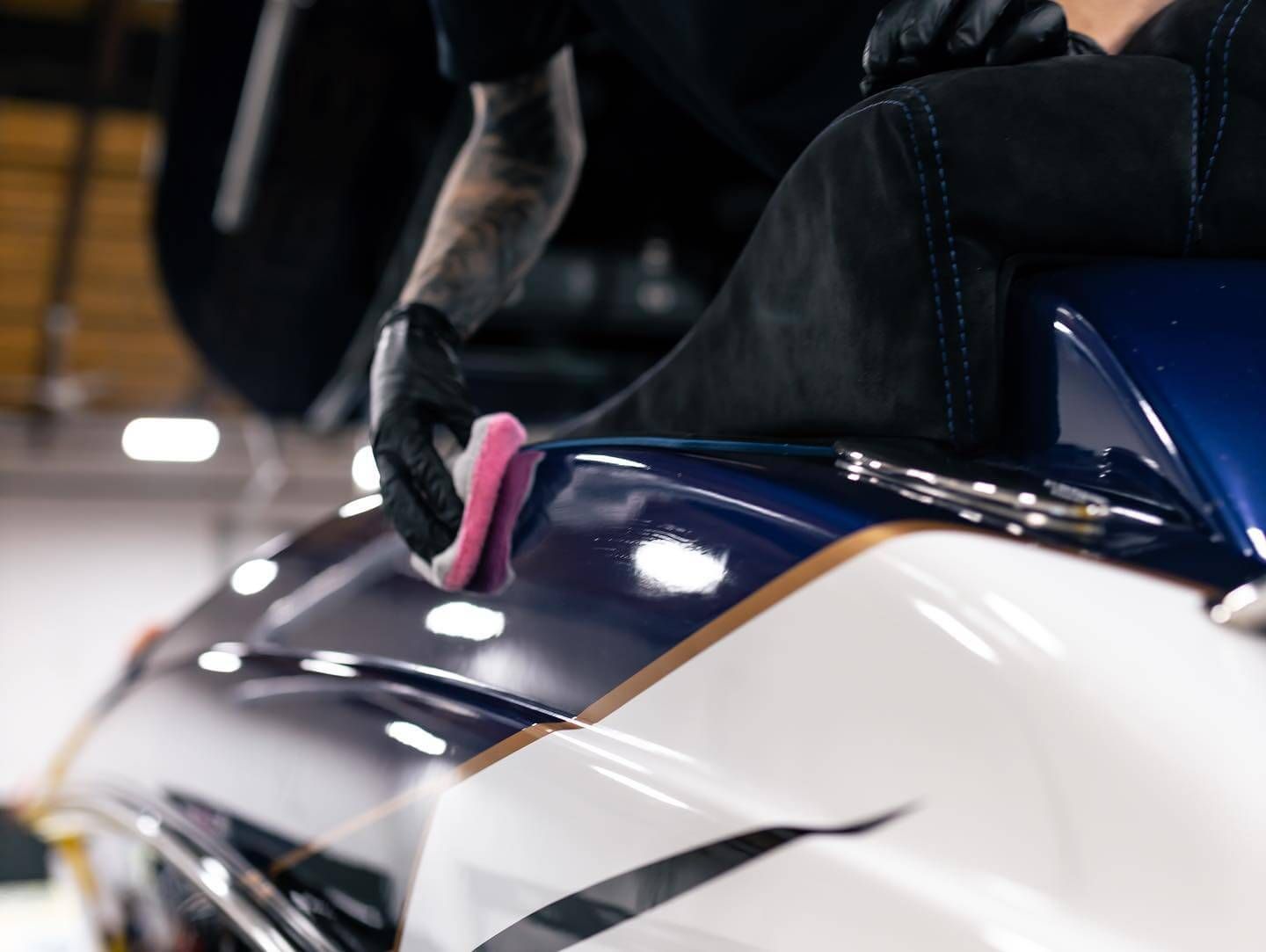
Stiff brushes, low-quality towels, and abrasive pads create micro-scratches that gradually reduce coating performance. This damage may not be immediately visible but accumulates over time.
Use:
- Premium microfiber towels
- Soft microfiber wash mitts
- Clean drying towels designated only for paint
Avoid using the same towels on wheels and paint to prevent cross-contamination.
7. Skipping Maintenance Boosters
Ceramic coatings benefit from periodic maintenance.
Most professional-grade coatings should be reinforced with a ceramic booster every three to six months. These maintenance sprays restore hydrophobic properties and extend protection.
Signs your coating needs attention:
- Reduced water beading
- Dull or muted gloss
- Increased dirt adhesion
Regular inspections and maintenance can extend coating life by several years.
8. DIY Application Without Proper Conditions
DIY ceramic coating kits are widely available, but improper installation often leads to streaking, uneven coverage, and reduced durability.
Common DIY issues include:
- Applying coating in high humidity
- Working in direct sunlight
- Insufficient paint correction
- Applying too much product
Professional installation provides:
- Controlled indoor environment
- Professional-grade coating formulas
- Multi-year durability
- Expert surface preparation
While DIY options may offer short-term savings, professional ceramic coating services in Baltimore typically provide longer protection and better overall results.
Ceramic Coating vs Paint Protection Film
Many drivers assume ceramic coating protects against rock chips and physical impact. It does not.
Ceramic coating provides:
- Chemical resistance
- UV protection
- Hydrophobic performance
- Enhanced gloss
Paint protection film provides:
- Impact resistance
- Rock chip protection
- Self-healing surface properties
For maximum protection in high-traffic areas such as Towson and Hunt Valley, combining ceramic coating with paint protection film offers superior long-term defense.
Window tinting also supports paint protection by reducing UV exposure and interior heat buildup.
Frequently Asked Questions
How long does ceramic coating last in Maryland?
Professional ceramic coatings typically last between three and seven years depending on maintenance and environmental exposure.
Does road salt damage ceramic coating?
Road salt does not immediately destroy ceramic coating, but prolonged exposure without washing can reduce its lifespan.
Can automatic car washes ruin ceramic coating?
Brush-style automatic car washes can cause surface scratching and gradually degrade coating performance.
How often should you wash a ceramic-coated car?
Every one to two weeks is recommended, especially during winter months in Baltimore.
Protect Your Ceramic Coating with Detail Solutions
Ceramic coating is an investment in your vehicle’s appearance and long-term value. Proper maintenance ensures that investment performs as intended.
At Detail Solutions, we have been serving Baltimore, MD and surrounding communities since 2011. Our team specializes in professional ceramic coating, paint protection film, color change PPF, and window tinting services tailored to Maryland drivers.
If you want your ceramic coating to last for years instead of months, our experienced technicians can help you protect it properly.
Contact Detail Solutions or call us at (410) 238-3000 to schedule your ceramic coating consultation today.