Does Clear Window Tint Reduce Heat Without Darkening Glass?
Yes, clear or light ceramic window tint can reduce solar heat without significantly darkening your vehicle's windows. These films are designed to reject infrared energy while allowing much of the visible light to pass through. However, actual performance depends on the film's technology, shade, heat-rejection ratings, and existing vehicle glass.
For drivers in Baltimore, MD, and surrounding communities, ceramic window tint offers a practical way to improve comfort during sunny drives while maintaining outward visibility. Understanding how these films work can help you choose an option that meets your needs and Maryland's tint regulations.
How Does Clear Window Tint Reduce Heat?
Clear window tint reduces heat by limiting the solar energy that passes through vehicle glass. Sunlight contains visible light, ultraviolet (UV) radiation, and infrared radiation. Each contributes differently to the conditions inside your vehicle.
Traditional dyed window films primarily absorb portions of incoming sunlight, reducing brightness and glare. Ceramic films use advanced materials designed to reject more infrared energy without requiring extremely dark shades.
This distinction matters during Maryland summers. Whether your vehicle is parked outside a shopping center in White Marsh or traveling through Baltimore, direct sunlight can make interior surfaces uncomfortable.
Light ceramic window tint can reduce incoming solar energy and improve driving comfort. However, it cannot completely prevent heat buildup, particularly when a vehicle remains parked in direct sunlight.

Does Ceramic Tint Block More Heat Than Regular Tint?
Ceramic window tint generally provides stronger heat rejection than basic dyed films at comparable visible light transmission levels. However, performance varies by product and shade.
At Detail Solutions, we offer LLumar FormulaOne window tint options designed for different budgets and performance needs.
LLumar FormulaOne Classic: This dyed film provides dependable color stability, UV protection, and moderate solar heat rejection. It is suitable for drivers prioritizing affordability and appearance.
LLumar FormulaOne Pinnacle: This nano-ceramic film offers stronger infrared rejection without relying on metallic components. Its metal-free construction also avoids the signal-interference concerns associated with some metallized films.
LLumar FormulaOne Stratos: This advanced ceramic film provides high infrared rejection, optical clarity, and multiple shade options for drivers seeking premium heat-control performance.
For perspective, manufacturer specifications list Pinnacle 50 at approximately 55% visible light transmission and 50% total solar energy rejection. Stratos 70 offers approximately 69% visible light transmission and 49% total solar energy rejection.
These figures demonstrate how lighter films can still provide meaningful solar heat rejection. Actual results vary depending on the vehicle's glass and installation conditions.
Explore our LLumar automotive window tint options to understand the available technologies and performance differences.
Which Window Tint Ratings Matter Most for Heat Reduction?
When comparing ceramic window tint, understanding performance measurements is more useful than choosing a film based solely on darkness.
Visible Light Transmission (VLT) measures how much visible light passes through the glass. Higher percentages generally indicate a lighter appearance. However, VLT does not measure total heat-rejection performance.
Infrared Rejection describes how effectively a film limits infrared radiation. Manufacturers may use different measurements, including infrared energy rejection and selective infrared rejection. Compare the same measurement across products rather than treating all infrared percentages as interchangeable.
Total Solar Energy Rejected (TSER) measures the proportion of overall solar energy rejected by the film and glass combination. It provides a broader indication of solar heat-control performance.
UV Rejection indicates how effectively the film blocks ultraviolet radiation. Quality automotive ceramic films can block more than 99% of UV rays, helping reduce UV exposure and interior fading.
When requesting a quote, ask which specifications apply to the exact film and shade being recommended.
What Are the Limitations of Clear Ceramic Window Tint?
Although clear ceramic window tint offers useful benefits, it has limitations worth understanding before installation.
Even very light films can slightly change the appearance of your windows. Depending on the product, you may notice subtle reflections, a minor color difference, or slightly reduced visibility under low-light conditions.
Ceramic tint also costs more than standard dyed film. The additional expense reflects the technology and heat-rejection capabilities, but not every driver requires the highest-performing option.
Pricing depends on vehicle size, window coverage, film selection, and existing tint removal. Larger vehicles may require additional costs. Confirm current pricing before scheduling installation.
Is Clear Window Tint Legal in Maryland?
Clear ceramic window tint must comply with Maryland regulations, regardless of how light the film appears.
For passenger cars, Maryland generally requires at least 35% visible light transmission through side and rear windows after aftermarket tint is applied.
Qualifying SUVs, vans, and light trucks must maintain at least 35% light transmission through the front side windows, although rear-window requirements differ.
Aftermarket windshield tint is generally restricted to the area above the manufacturer's AS-1 line or within five inches of the windshield's top edge, whichever is less. Medical exemptions may apply under specific conditions.
Factory glass already affects light transmission, meaning even a relatively light film can change the final measurement.
Drivers should review the Maryland State Police window tint requirements before choosing a shade.
Our team can discuss appropriate film options while helping you understand the applicable legal requirements.
What Should You Expect From Professional Window Tint Installation?
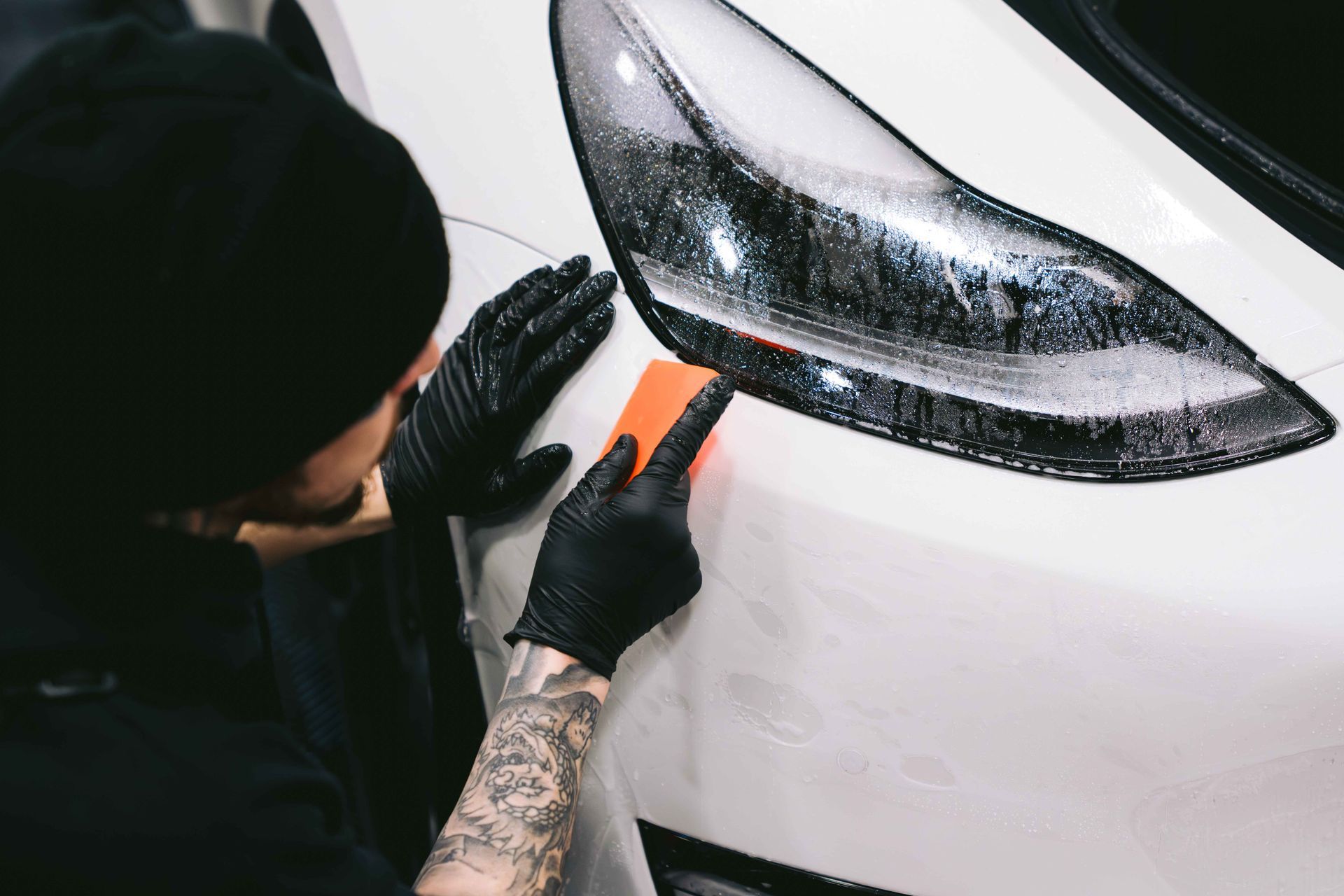
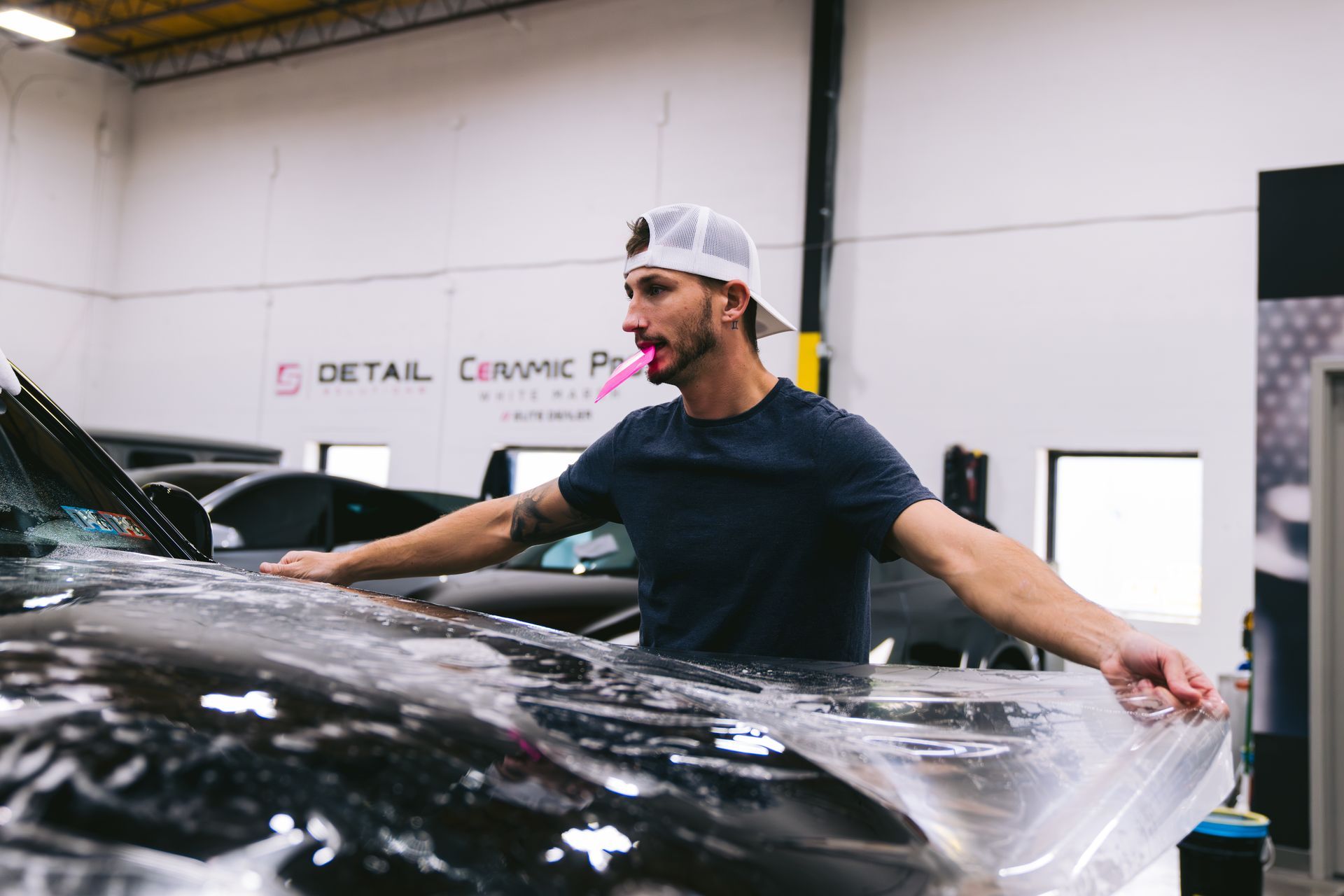
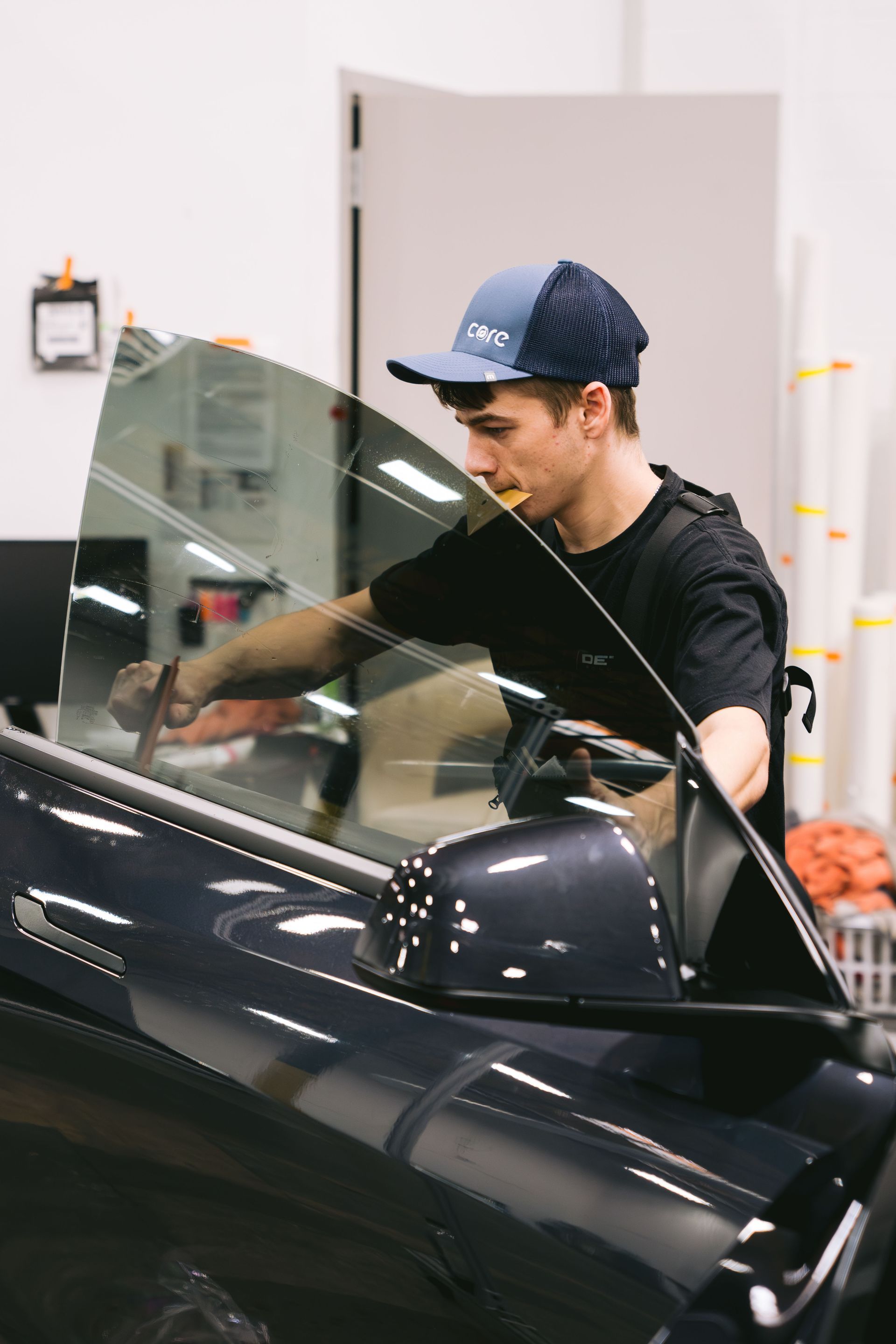
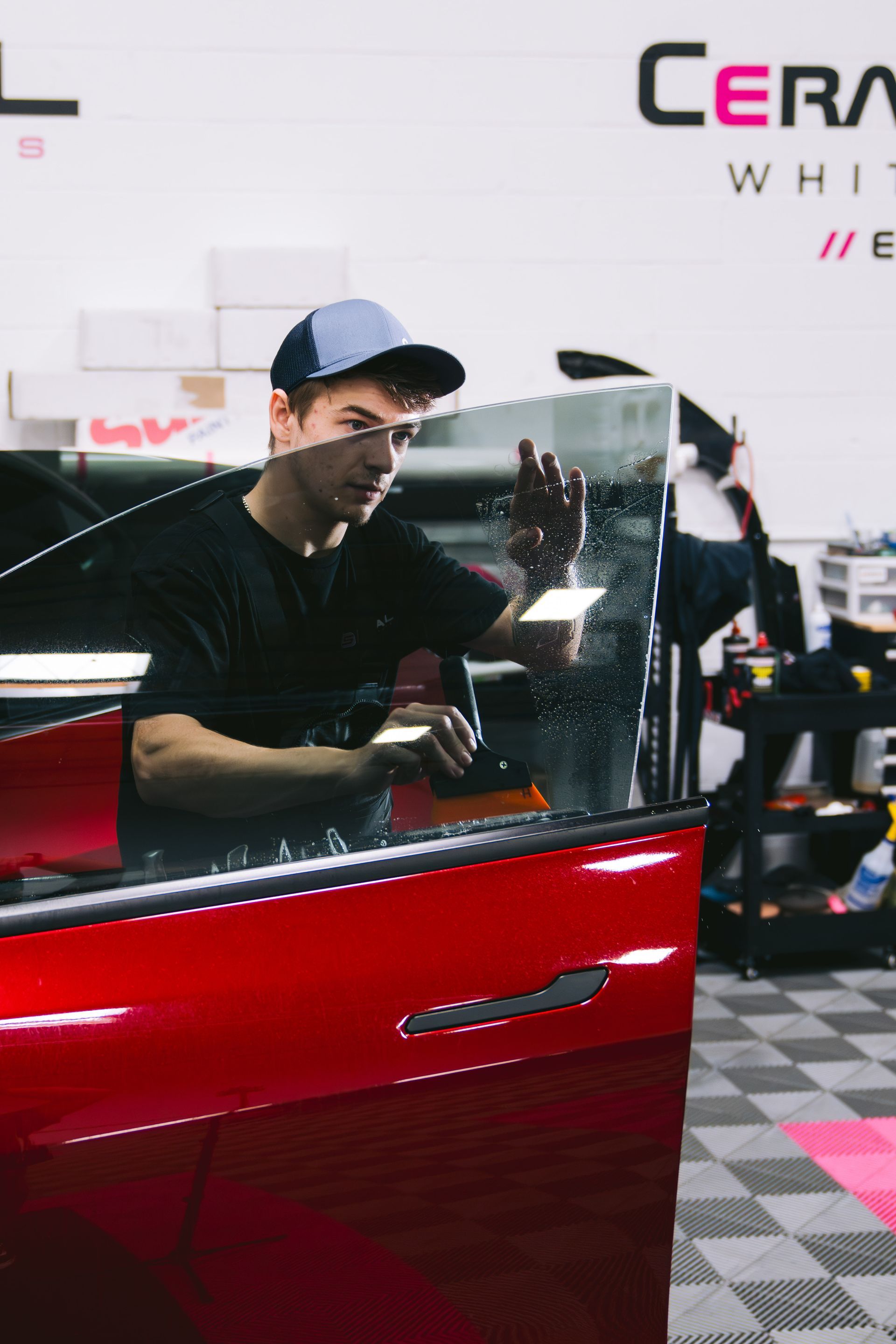
Professional installation plays an important role in achieving a clean finish and reliable performance.
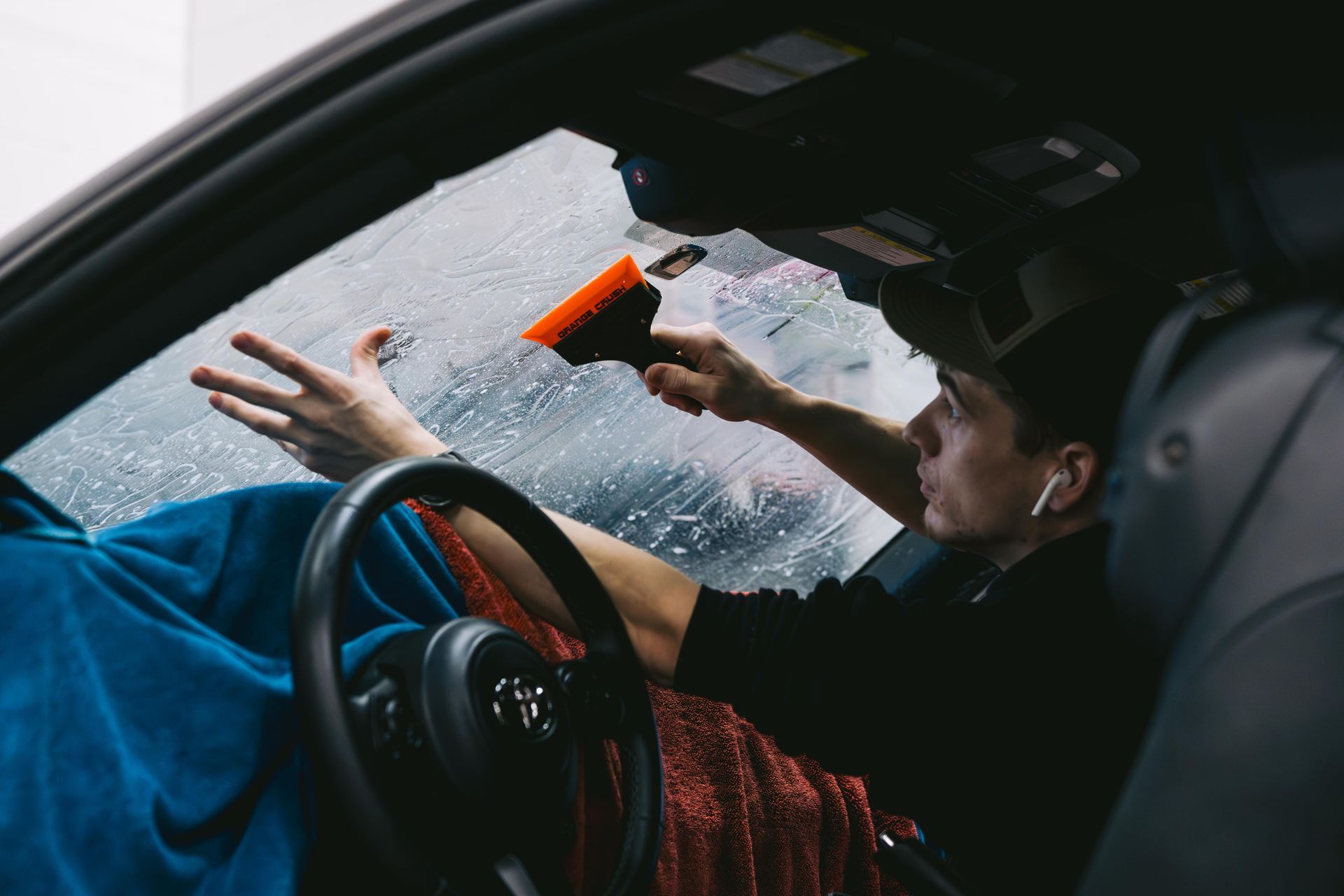
Poorly applied window film may develop bubbles, peeling edges, visible contamination, or uneven coverage. Professional installation helps reduce these problems through careful glass preparation and precise film application.
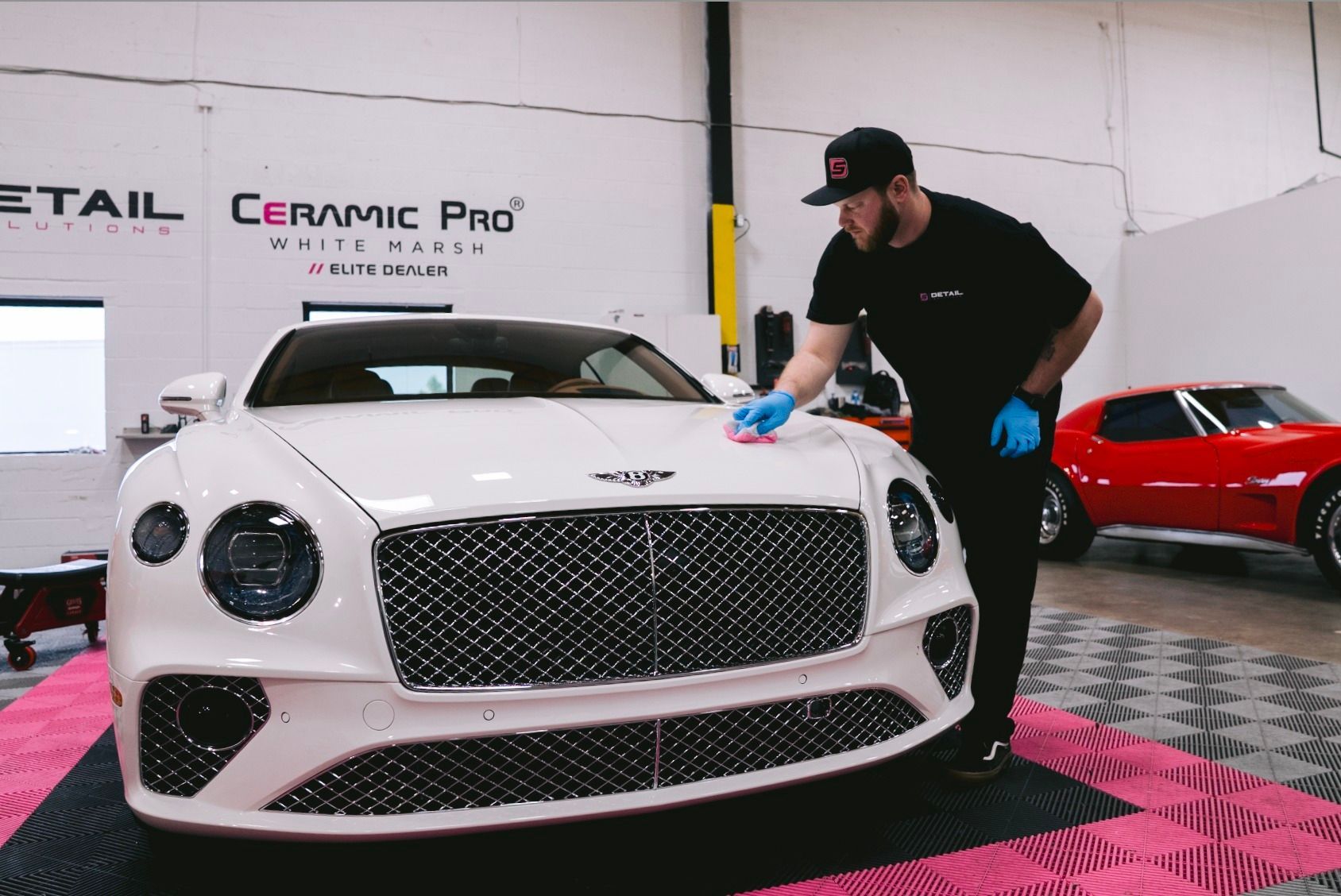
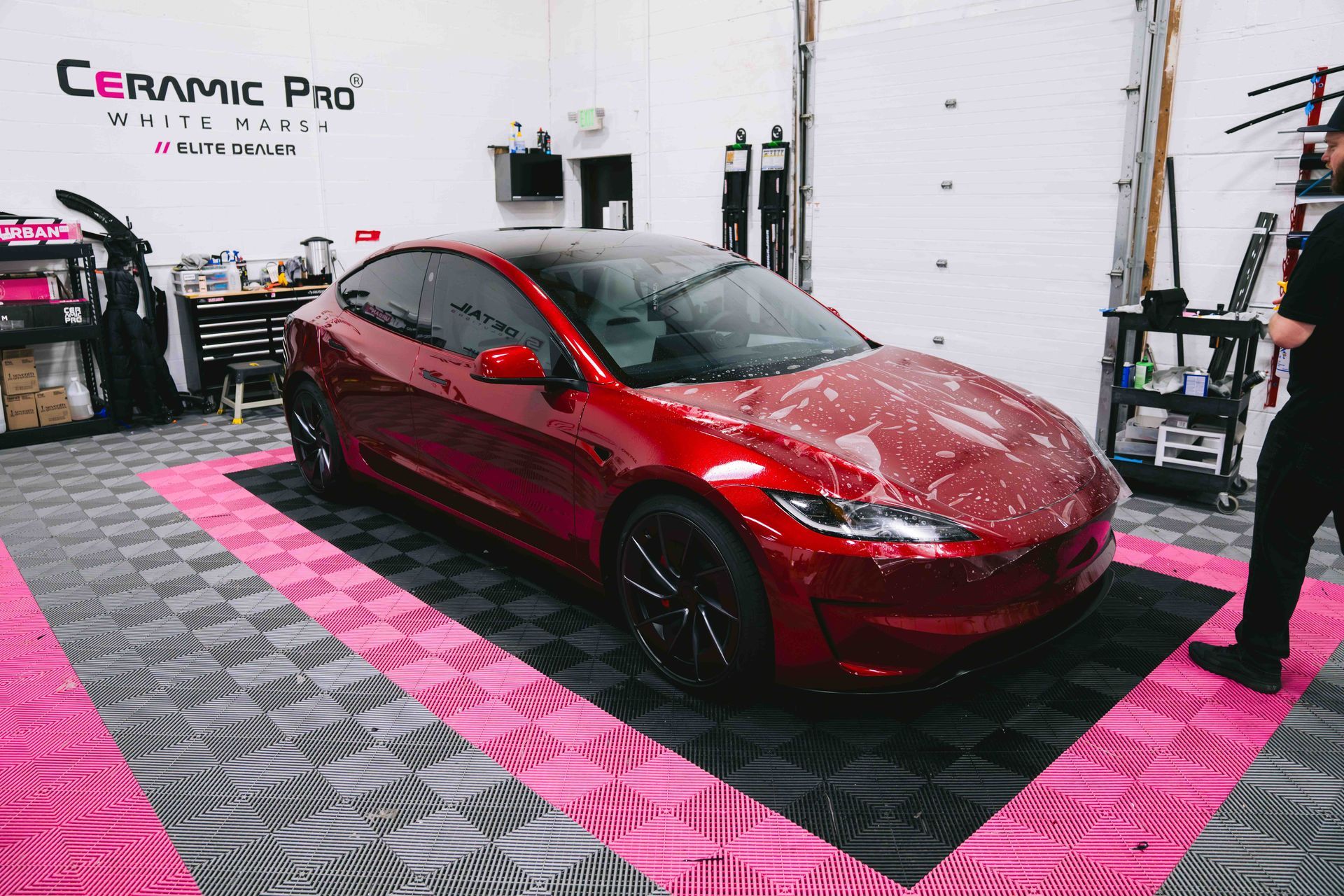
At Detail Solutions, we install LLumar FormulaOne films for drivers throughout the Baltimore area. These products include a manufacturer's limited lifetime warranty, subject to applicable terms and exclusions.
After installation, follow the recommended curing and cleaning instructions. Avoid disturbing the film while it cures, and use compatible cleaning products afterward.
Frequently Asked Questions About Clear Window Tint
Does clear ceramic tint noticeably reduce cabin heat?
Clear ceramic tint can reduce incoming solar energy and improve comfort during sunny drives. The noticeable difference depends on the film's performance, vehicle glass, weather conditions, and sun exposure.
Can I install clear ceramic tint on my windshield in Maryland?
Maryland generally restricts aftermarket windshield tint to the permitted upper portion of the glass. Even nearly transparent films must comply with applicable regulations. Confirm legal requirements before installation.
Is infrared rejection more important than total solar energy rejection?
Both measurements are useful, but they describe different performance characteristics. Infrared rejection focuses on infrared radiation, while TSER represents overall solar energy rejection. Comparing both provides a more complete picture.
Will clear window tint affect nighttime visibility?
Light ceramic films generally preserve more visible light than darker films. However, every film reduces visible light transmission to some extent, so shade selection matters for nighttime driving.
How long does professionally installed ceramic window tint last?
High-quality ceramic window film can provide years of service when professionally installed and properly maintained. Its lifespan depends on the product, environmental exposure, and maintenance. Review the manufacturer's written warranty for coverage details.
Choosing the Right Window Tint for Your Vehicle
The best clear window tint balances heat rejection, appearance, visibility, legal compliance, and budget. For drivers who prefer lighter windows, ceramic films such as LLumar FormulaOne Pinnacle and Stratos offer options worth comparing.
Detail Solutions has been locally owned and operated since 2011, serving vehicle owners in White Marsh, Baltimore, Essex, Perry Hall, Towson, and surrounding Maryland communities.
If you want to reduce heat without significantly darkening your windows, explore our
professional window tinting services.
Contact Detail Solutions at
(410) 238-3000 to compare film options and request a free quote for your vehicle.